
Before museums, there were cabinets of curiosity
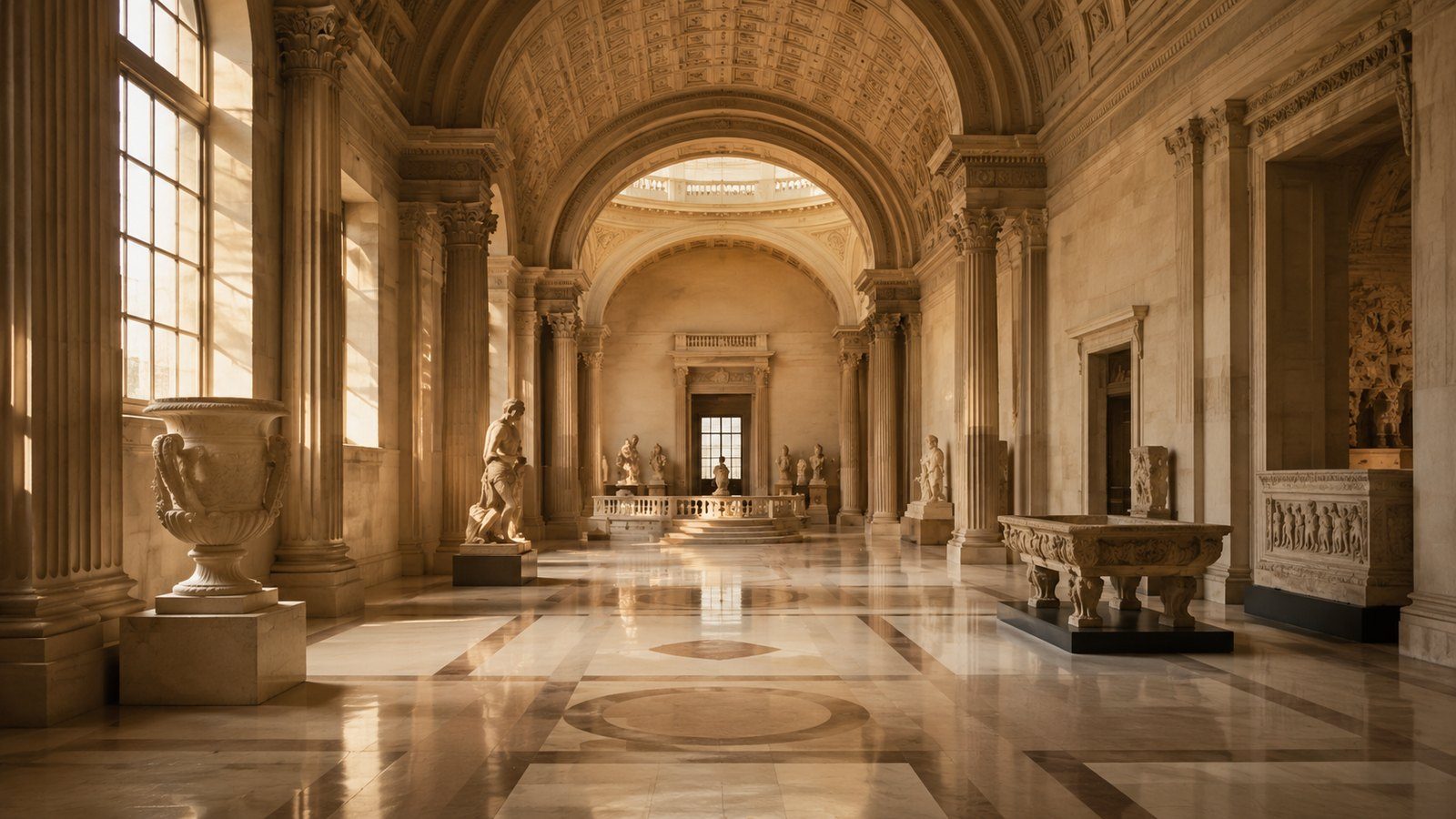
Long before the gleaming halls of modern museums, filled with carefully curated displays and meticulously researched labels, there existed a different kind of space dedicated to wonder, discovery, and the human impulse to collect and understand: the cabinet of curiosity. Often seen as the forerunner to today’s museums, these eclectic and sometimes enigmatic collections offer a fascinating glimpse into how people in past centuries engaged with the world around them.
The cabinets of curiosity—also known by their Latin name, wunderkammern—emerged during the Renaissance and flourished through the 16th and 17th centuries, primarily in Europe. Unlike contemporary museums, which are public institutions dedicated to education and preservation, cabinets of curiosity were typically private, intimate rooms or pieces of furniture owned by wealthy collectors, nobles, or scholars. They served as personalized microcosms of nature, art, and human achievement, bringing together an extraordinary array of objects that inspired awe and stimulated inquiry.
What made these cabinets remarkable was their sheer diversity. A single collection could contain anything from rare seashells, exotic minerals, and preserved animals, to intricate artifacts from distant cultures, fossils, artworks, and scientific instruments. There was no rigid classification system; the goal was less about categorization and more about encapsulating the richness and mystery of the natural and human-made worlds. These items were often arranged in visually striking ways, inviting visitors to marvel at their unusual details and ponder their origins and meanings.
In essence, cabinets of curiosity reflected the Renaissance spirit of exploration and the burgeoning desire to comprehend the vastness of the world. Before the scientific method became institutionalized, and before the taxonomy of nature was codified by figures like Carl Linnaeus, collectors relied on direct observation, anecdote, and comparison. The cabinets became arenas where knowledge was as much tactile and visual as it was intellectual. For example, a fossilized shark tooth might be displayed alongside a piece of Byzantine jewelry and an Ethiopian prayer scroll, offering a tactile narrative about the diversity of existence.
It’s important to recognize that these collections were also deeply personal. They were symbols of status and worldliness, signaling the owner’s education, curiosity, and connections beyond their immediate surroundings. In many cases, they were also repositories of the exotic and the mysterious, showcasing items arrival through trade, diplomacy, or colonial expeditions. This aspect lends a complex historical lens, reminding us that while these cabinets were centers of learning and wonder, they were also embedded in broader power dynamics.
Over time, as scientific inquiry advanced and public interest in natural history and art developed, cabinets of curiosity gradually gave way to more systematic collections. By the 18th century, many private collections were transformed into the first publicly accessible museums, with dedicated spaces and organized displays designed to educate and inspire broader audiences. The transition marked a shift in how knowledge was produced and shared, moving from private knowledge to public enlightenment.
Modern museums, with their emphasis on specialized disciplines, research, education, and conservation, owe much to these early cabinets. Contemporary curators may look at wunderkammern with both admiration and critique, appreciating their adventurous spirit while acknowledging their limitations in terms of scientific rigor and cultural bias. Some museums today even dedicate exhibitions to explore the legacy of cabinets of curiosity, celebrating their role as precursors to modern museology and reminders of an era when the boundaries between art, science, and wonder were more fluid.
In reflecting on cabinets of curiosity, we are invited to consider not only the objects themselves but also the way humans have always sought to make sense of the world through collecting and storytelling. Whether displayed in grandiose halls or modest rooms, the impulse remains the same: to encounter the unfamiliar, to puzzle over the mysterious, and to connect disparate elements into a coherent narrative about existence. As museums continue to evolve, this deeply human impulse—the desire to understand our place in a vast and varied universe—remains at their heart.
In a world increasingly dominated by digital access and virtual collections, the tactile, visual, and even emotional experience of encountering objects arranged in a cabinet of curiosity offers a powerful reminder of the roots of museum culture. These early collections were not just about what was being displayed but about why and how it inspired curiosity—an enduring legacy that continues to animate museums today.
Join the discussion
Share a thoughtful museum note, correction, or visitor perspective about this article.