Istanbul Archaeological Museums
Archaeology Museums · Istanbul, Turkey. The Istanbul Archaeological Museums form a notable archaeological museum complex located in Istanbul, Turkey. Established in the late 19th century, these museums bring together extensive collections of artifacts collected from Turkey and t…
Best forAncient history, artefacts, cultural heritage
Setting / nearbyIstanbul, Turkey
Overview
The Istanbul Archaeological Museums form a notable archaeological museum complex located in Istanbul, Turkey. Established in the late 19th century, these museums bring together extensive collections of artifacts collected from Turkey and the wider Near East, spanning multiple ancient civilizations. The complex offers visitors insight into historical cultures ranging from classical antiquity to the Islamic era, reflecting Istanbul’s long-standing role as a crossroads of diverse peoples and empires.
The museum is housed close to the historic Topkapı Palace, an area dense with layers of Istanbul’s history. It is one of the city's oldest museums dedicated to archaeology and plays a significant role in preserving and studying the material heritage of Turkey and its environs. The collections serve as a resource for scholars and enthusiasts interested in Near Eastern, Hellenistic, Roman, Byzantine, and Ottoman archaeology.
Collection Highlights
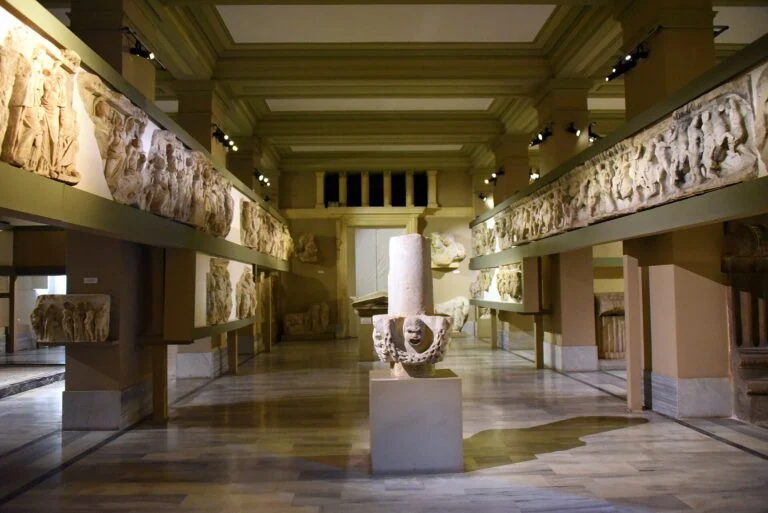
Visitors to the Istanbul Archaeological Museums will encounter a vast array of archaeological artifacts gathered from numerous excavation sites across Turkey, as well as from neighboring regions. The holdings are impressive for their chronological and geographical range, including objects from prehistoric times to the late Ottoman period.
One of the most prominent parts of the collection is the assortment of artifacts from ancient Anatolian civilizations, such as Hittite relics and Lycian sculptures. These provide a tangible link to the early cultures that inhabited what is now modern Turkey.
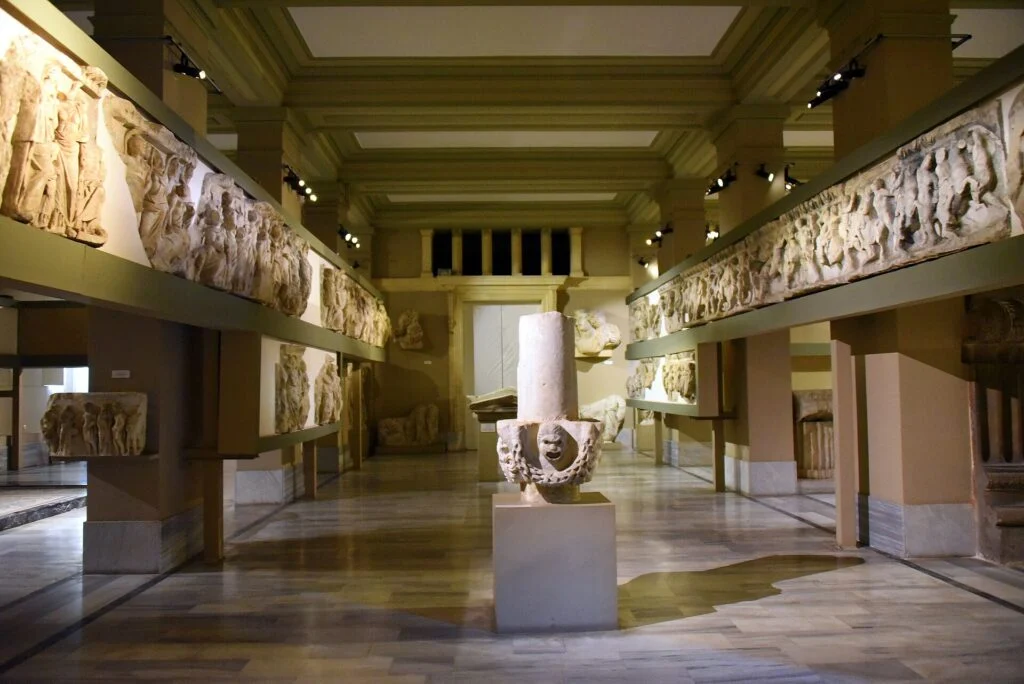
The museums are particularly noted for their extensive collection of sculptures, reliefs, and inscriptions from the Greco-Roman world. Statues of gods, emperors, and mythological figures stand alongside grave stelae and funerary art, offering glimpses into the artistic conventions and social customs of antiquity.
Among the standout features is the sarcophagus of Alexander the Great’s general, believed to be Hephaestion, found at the site of Sidon (in present-day Lebanon) and housed here. This evocative funerary sculpture illustrates both craftsmanship and historical narrative from the era following Alexander’s conquests.
The collection also includes a wide variety of smaller artifacts such as pottery, coins, jewelry, and tools, which provide additional context on everyday life across centuries. These objects illustrate the interactions between diverse cultures across the region, highlighting trade networks, artistic influences, and technological developments.
Besides the classical antiquities, there are important artifacts from the Byzantine and Ottoman periods that demonstrate the continuous history of the city and its surroundings, linking the ancient world with medieval and early modern Istanbul.
Building and Setting
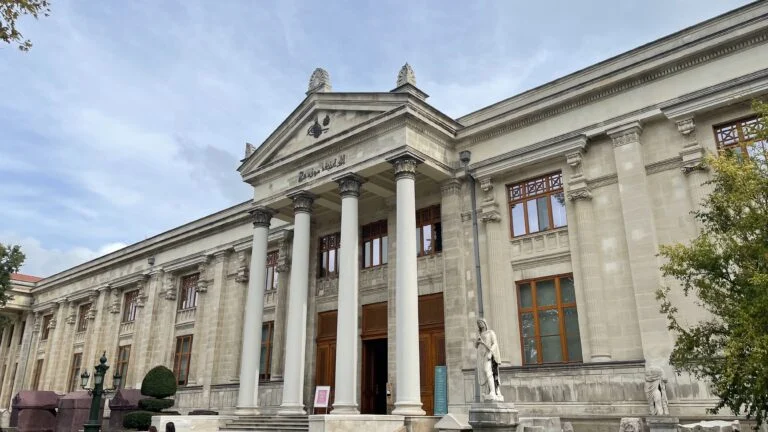
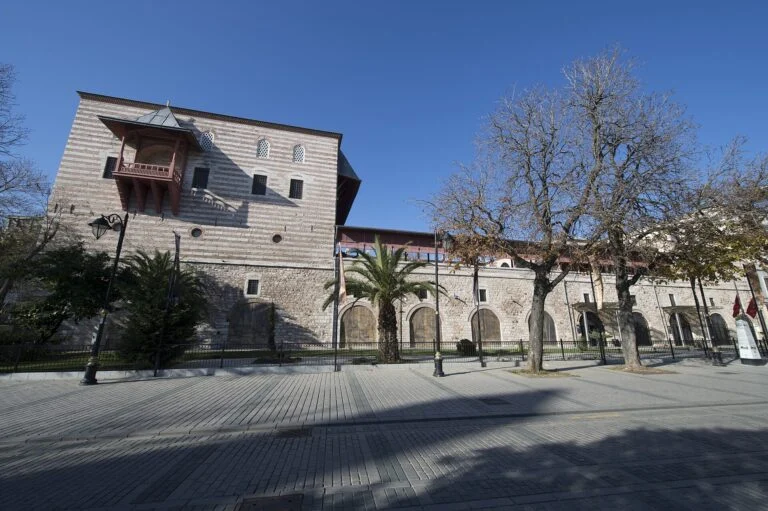
The Istanbul Archaeological Museums occupy a site adjacent to the expansive grounds of Topkapı Palace, in Istanbul’s historic district. The complex consists of a series of buildings arranged within gardens and courtyards, which allow visitors to move between galleries in an open-air setting when weather permits.
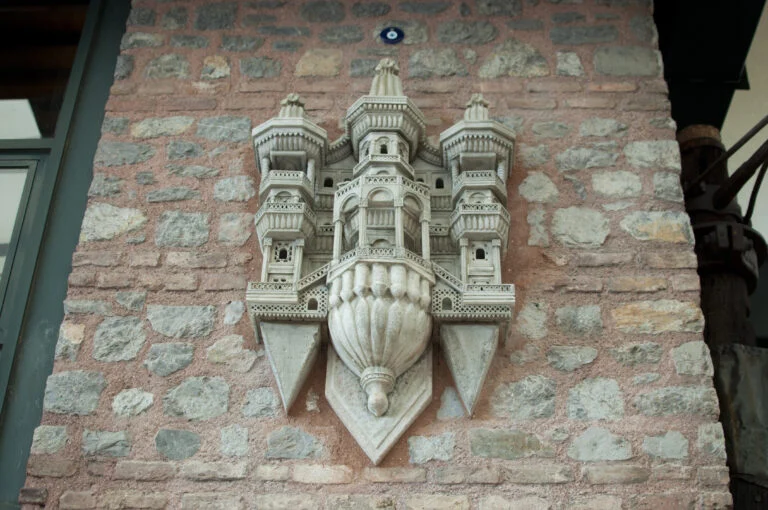
The architectural ensemble itself is of historical interest. The museum buildings date from the late 19th and early 20th centuries and reflect an eclectic style combining neoclassical and oriental influences, designed to harmonize with their historic surroundings. The courtyards and garden spaces often display large marble sculptures and sarcophagi, integrating the outdoor environment with the galleries.
The setting near the historic heart of Istanbul gives visitors a layered experience of the city’s treatment of its past—from imperial palaces and mosques to the archaeological remains gathered in the museum. The location also means visits can be naturally linked with nearby heritage sites for a broader understanding of Istanbul’s complex urban and historical fabric.
Practical Information
For those planning a visit, it is advisable to check the museum’s official website or contact local tourism sources for up-to-date information on opening hours, admission fees, and any restrictions or changes in visitor services. Information about guided tours, audio guides, or special exhibitions should also be confirmed in advance where available.
Because the museums are part of a multi-building complex, visitors should allow time to explore different sections without rushing. The layout requires some walking between buildings, which are spread over outdoor paths and courtyards, so comfortable footwear and weather-appropriate clothing are prudent considerations.
Visitors with specific interests in archaeology or history will find value in allocating enough time to absorb the detailed displays and inscriptions. However, those seeking a quicker overview can focus on major artifacts and highlights, many of which are located near the museum entrance or central courtyards.
Access details such as public transportation routes, parking facilities, and entrance points should be verified beforehand, especially during peak tourist seasons or local holidays, which can affect visitor flow. Additionally, individuals with mobility challenges should inquire about accessibility arrangements to ensure a comfortable visit.
Why Visit
The Istanbul Archaeological Museums stand out for their archaeological breadth that reflects the layered histories of Turkey and its neighboring cultures. For visitors interested in tracing the development of civilizations across millennia, the scale and scope of the collections allow comparisons between successive empires and peoples who shaped the region.
Unlike singular-focus museums, the complex presents a diverse array of artifacts that collectively map the cultural and political transformations affecting Anatolia and the wider Near East. This variety can deepen one’s understanding of historical continuity as well as change in art, funerary practices, and daily life.
The museums are also a valuable complement for those exploring Istanbul’s rich historic and architectural landscape. Their location near Topkapı Palace and other historic sites enables a more complete picture of the city’s evolution from Byzantine Constantinople to Ottoman Istanbul.
While the museums offer many impressive objects, they may not be as immediately accessible to casual visitors unfamiliar with archaeological or art historical details. Some displays rely on extensive labels and contextual information, which might challenge those expecting a more narrative-driven or interactive experience.
Still, for anyone with an interest in archaeology, ancient history, or the material cultures of the eastern Mediterranean, the Istanbul Archaeological Museums provide a meaningful opportunity to engage with important artifacts that reveal the complexities of past civilizations in this key geographic intersection.
In summary, these museums are best suited for visitors prepared to spend time reading and reflecting on how objects reveal stories about societies long gone. They remain a cornerstone for archaeological heritage in Turkey and a resource that highlights the region’s profound historical depth.