
Art Museum of AHUA / TJAD + DCA – ArchDaily
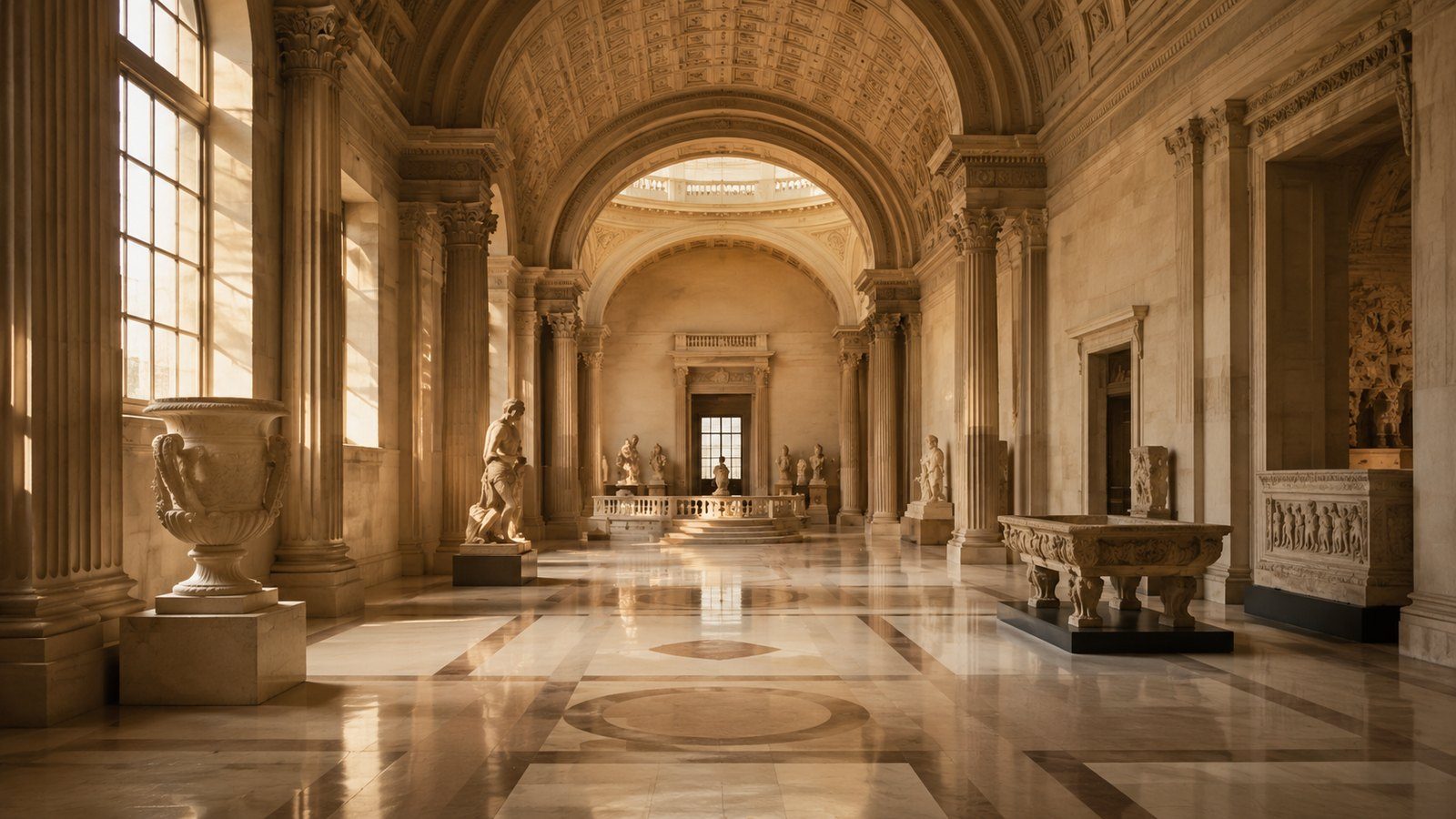
In the heart of a rapidly evolving cultural landscape, the Art Museum of AHUA has emerged as a compelling new destination for art lovers and architecture enthusiasts alike. Designed by the collaborative vision of TJAD and DCA, the museum embodies a harmonious dialogue between contemporary design and the timeless spirit of artistic expression. This ambitious project not only elevates the city’s status as a hub for creative innovation but also boldly redefines the museum experience for a global audience.
The Art Museum of AHUA is dazzling from the moment you approach its striking façade. A dynamic interplay of glass, steel, and natural materials greets visitors, thoughtfully engaging with its surroundings rather than dominating them. Drawing on the principles of transparency and openness, the architects have created a structure that invites curiosity and fosters a sense of welcome. It feels less like a fortress safeguarding art and more like a lively public space where creativity is accessible and alive.
Inside, the museum’s layout surprises with its fluidity and adaptability. The designers’ commitment to versatility is evident in the modular gallery spaces that can accommodate everything from monumental installations to intimate exhibitions. Visitors can journey through a narrative that flows seamlessly from one artwork to the next, shaped by thoughtful sightlines and natural light. The balance between controlled lighting and sun-drenched galleries is especially commendable, flattening the conventional hierarchy between the display of masterpieces and contemporary works.
One of the most exciting aspects of the Art Museum of AHUA is its integration of outdoor and indoor experiences. The museum’s terraces and open-air courtyards provide perfect places to pause and reflect, surrounded by greenery that softens the building’s modern angles. This blending of environments encourages a more sensory engagement with art, connecting visitors not only to the artworks but also to the atmosphere and rhythms of the museum itself.
The partnership of TJAD + DCA has clearly been a thoughtful reunion of architectural philosophies. TJAD’s sensitivity to context and local culture pairs beautifully with DCA’s expertise in cutting-edge design and urban integration. This collaboration has yielded a museum that respects heritage while embracing forward-looking aesthetics, an encouraging beacon amid the often contentious discussions about museum expansions and cultural authenticity.
Beyond the physical structure, the Art Museum of AHUA’s programming promises to match its architectural innovation. Curators plan to showcase a diverse range of artists, with a special focus on voices that challenge conventional narratives and explore intersections of identity, technology, and environment. There is a palpable enthusiasm for cultivating both local talent and international partnerships, suggesting the museum will function as an incubator for new ideas and a global cultural exchange hub.
Opportunities for community engagement and education are built deeply into the museum’s mission. Plans for interactive workshops, artist talks, and participatory exhibitions are already underway, highlighting a desire not just to present art but to inspire active dialogue with visitors of all ages. This approach reflects a growing trend among new museums that see themselves not just as repositories but as facilitators of cultural conversation.
In a world where many museums wrestle with relevance in an increasingly digital and distracted society, the Art Museum of AHUA offers a promising model. By thoughtfully merging architecture, program, and environment, it creates an immersive experience that is intellectually stimulating without sacrificing warmth or accessibility. It is a space that encourages visitors to slow down, explore, and connect with art in a meaningful way.
As the Art Museum of AHUA opens its doors, it will be fascinating to watch how it evolves and influences the broader museum landscape. With its distinctive architectural vision and progressive curatorial agenda, this new institution is well poised to become a landmark on the cultural map and a beacon for innovative museum experiences in the years to come. For anyone passionate about the intersections of art, architecture, and community, the museum is certainly one to watch.
Join the discussion
Share a thoughtful museum note, correction, or visitor perspective about this article.