Power Station of Art
Art Museums · Shanghai, China. The Power Station of Art is a contemporary art museum located in Shanghai, China. It occupies a distinctive place in Shanghai’s cultural landscape as the city’s first state-run institution dedicated exclusively to contemporary art.…
Best forArt lovers, visual culture, architecture
Setting / nearbyShanghai, China
Overview
The Power Station of Art is a contemporary art museum located in Shanghai, China. It occupies a distinctive place in Shanghai’s cultural landscape as the city’s first state-run institution dedicated exclusively to contemporary art. The museum opened in a repurposed power plant facility on the banks of the Huangpu River, offering a striking symbol of cultural transformation from industrial use to artistic expression. As a contemporary art museum, it focuses on presenting works that reflect ongoing developments and conversations within today’s art world, often emphasizing Chinese artists alongside international creators.
The museum serves as a platform for experimental, boundary-pushing projects, and it hosts a range of exhibitions, festivals, and events designed to engage visitors in current artistic practices and ideas. It provides a venue for both established and emerging artists, with exhibitions spanning diverse media including painting, sculpture, installation, video, and performance art. The institution’s role extends beyond showcasing art to participating in the global dialogue about culture and society in a rapidly changing urban environment.
Collection Highlights
The Power Station of Art does not maintain a traditional permanent collection like many older art museums. Instead, it operates with a shifting roster of exhibitions and curated projects. This approach means that each visit is likely to present different perspectives and forms, depending on the current programming. Past exhibitions have featured prominent contemporary Chinese artists whose practices critique or reinterpret social, political, and cultural frameworks. Alongside these artists, the museum regularly includes international guests, thereby situating Shanghai within a network of global art conversations.
Visitors might find thematic exhibitions addressing urbanization, identity, technology, or environmental issues, reflecting concerns pertinent to Shanghai and its place in the contemporary world. The museum has also hosted editions of the Shanghai Biennale, a large-scale event that attracts artists and curators from across the globe, further contributing to its reputation as a space for ambitious contemporary projects. While specific works on display vary, the emphasis is usually on challenging and thought-provoking practices rather than conventional or historical art.
Building and Setting
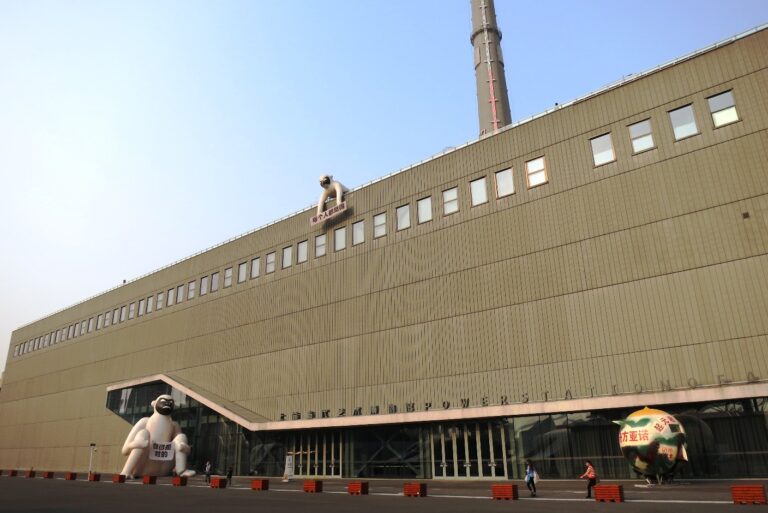
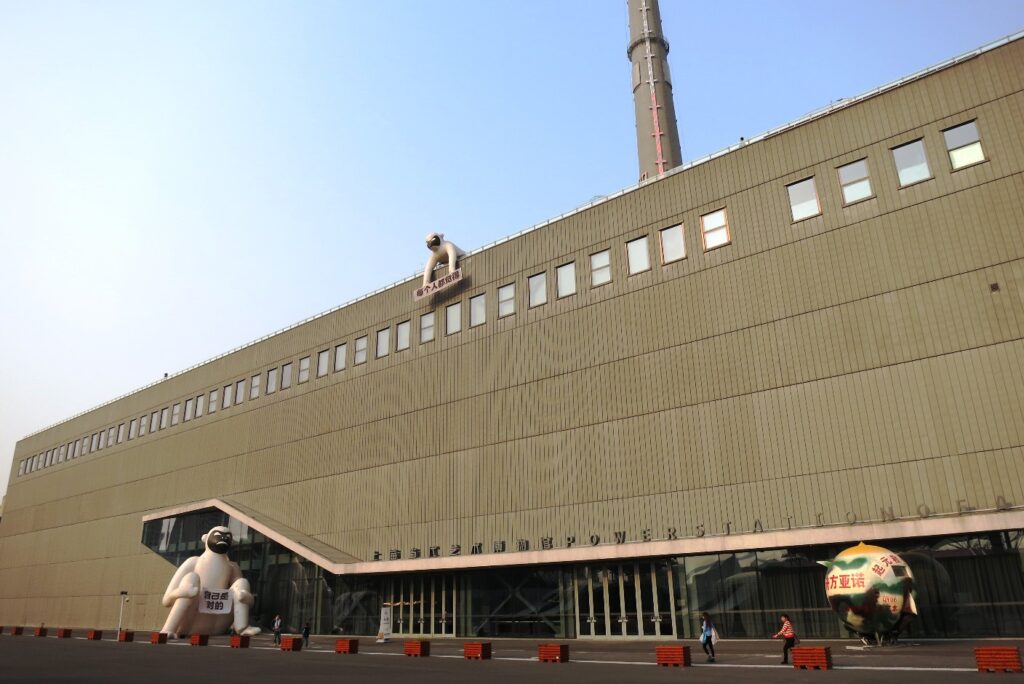
The museum occupies a large industrial structure that was formerly the South Shanghai Power Plant. The red-brick building is an example of early 20th-century industrial architecture, with high ceilings, robust structural elements, and a spacious interior that adapts well to large-scale exhibitions. Its conversion from power station to art museum is a deliberate act of reusing urban industrial heritage, marking a shift in how Shanghai’s built environment is experienced and reimagined.
Situated in the Huangpu Riverside Cultural District, the Power Station of Art enjoys a prominent position near the central Bund area but in a less tourist-heavy precinct. The surroundings combine urban renewal projects and a riverside promenade, making it a cultural node within a broader district undergoing ongoing development. Its location provides both convenience and a certain sense of departure from more commercialized parts of the city.
The museum’s scale and open-plan interiors allow for a range of installation sizes and exhibition formats, though this can sometimes require visitors to cover significant ground between separate exhibition spaces. The large industrial windows and structural framing contribute to a unique viewing atmosphere, one that marries the past as an industrial site with the present as a home for contemporary creativity.
Practical Information
Before planning a visit to the Power Station of Art, it is advisable to consult the museum’s official website for the most recent details regarding opening hours, admission fees, and any special requirements such as advance booking or visitor caps. The museum operates under the auspices of Shanghai’s municipal government, and access policies may adapt with changing public health guidance or operational considerations.
Because the museum hosts temporary exhibitions without a fixed permanent collection, the layout and featured artworks will differ with each visit. This variability can be a strength for repeat visitors interested in new art, though first-timers might find it useful to review current exhibitions to gauge their particular interests.
The museum is part of a wider cultural district, but details about parking, public transit connections, and onsite amenities like cafes or shops are best checked directly with official sources to ensure the information matches a visitor’s needs. Given the museum’s location close to the riverfront and other attractions, combining it with nearby cultural or historical sites may enrich a visit to this part of Shanghai.
Why Visit
The Power Station of Art offers insight into the contemporary art scene in one of China’s most dynamic urban centers. For visitors interested in current art trends within an Asian context, the museum’s focus on contemporary Chinese and international artists provides a way to engage with the cultural production driving Shanghai’s identity today.
Its unusual setting in a former power plant adds an architectural and historic dimension to the museum experience, highlighting how cities transform industrial spaces into cultural venues. This reuse adds tangible context to the broader story of Shanghai’s rapid modernization and evolving urban narrative.
While the absence of a permanent collection may mean the museum is less suited to those seeking a fixed canon or familiar masterpieces, it is well placed for those curious about experimentation and new artistic ideas. The programming often reflects contemporary concerns and challenges, making it a venue for dialogue as much as display.
In summary, the Power Station of Art stands as a specialized institution dedicated to presenting cutting-edge artistic practices. It may appeal especially to visitors with an interest in contemporary Chinese art or those looking to explore how cultural institutions shape and are shaped by their urban environments. As with many contemporary art museums, visitor experience can be highly influenced by the particular exhibitions on view, so reviewing current and upcoming shows beforehand can help tailor a visit to personal interests.