Zhejiang Provincial Museum
Archaeology Museums · Hangzhou, China. The Zhejiang Provincial Museum, located in Hangzhou, China, serves as a significant institution preserving and presenting the cultural heritage and history of Zhejiang Province. As a provincial museum, its scope reflects the diverse historical,…
Best forMuseum lovers, culture travelers, first-time visitors
Setting / nearbyHangzhou, China
Overview
The Zhejiang Provincial Museum, located in Hangzhou, China, serves as a significant institution preserving and presenting the cultural heritage and history of Zhejiang Province. As a provincial museum, its scope reflects the diverse historical, archaeological, and artistic developments of this region, which has played an important role in Chinese history and culture. The museum aims to document Zhejiang’s local identity through a variety of collections that echo its past from ancient times through recent centuries. It offers a window into the region’s evolution, encompassing its traditional crafts, archaeological finds, and historical relics. Visitors with interests in Chinese history, archaeology, and ethnology will find this museum particularly relevant.
Collection Highlights
The museum’s collections span multiple disciplines but focus chiefly on the archaeological and cultural heritage of Zhejiang Province. One of the museum’s strengths lies in its range of archaeological artifacts, including ceramics, jade objects, bronze items, and pottery that illustrate the development of early civilizations in the area. These pieces often come from local archaeological sites and showcase regional characteristics in design and craftsmanship that distinguish Zhejiang from other parts of China.
Additionally, the museum holds a notable assembly of items related to traditional handicrafts and folk arts. This aspect informs visitors not only about ancient art forms but also about the lives and customs of the people who lived in Zhejiang across various historical periods. Textile fragments, calligraphy, and paintings may form part of this cultural array, though visitors should verify if these specific formats are on display at any given time.
The historical collections extend into more recent centuries, presenting artifacts associated with significant political and social developments in the region. This may include documents, photographs, and objects related to local governance and everyday life. The museum’s holdings thus attempt to offer a layered picture of Zhejiang, covering a timespan large enough to highlight continuities and changes in local culture.
The diversity of the collection means that the museum appeals to a wide range of visitors, from scholars focusing on particular archaeological periods to more general audiences interested in Chinese cultural history. However, those seeking contemporary art or exhibits focused primarily on national rather than provincial history may find the museum’s concentration more specialized and regional in perspective.
Building and Setting
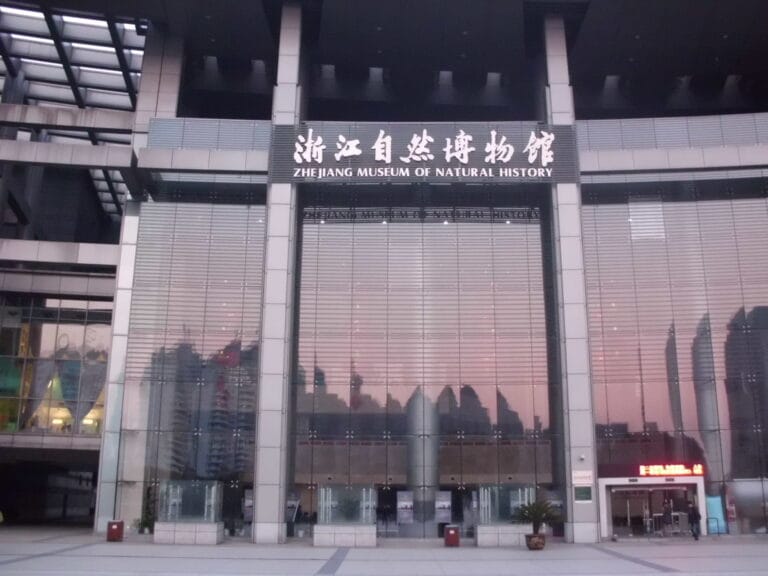
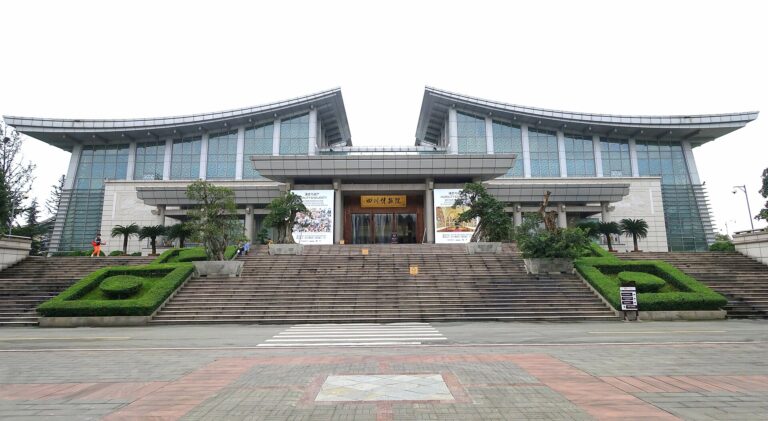
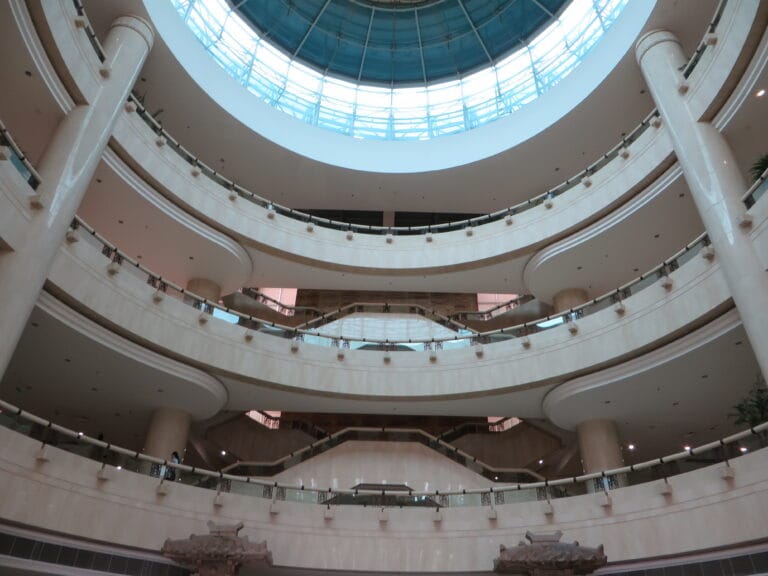
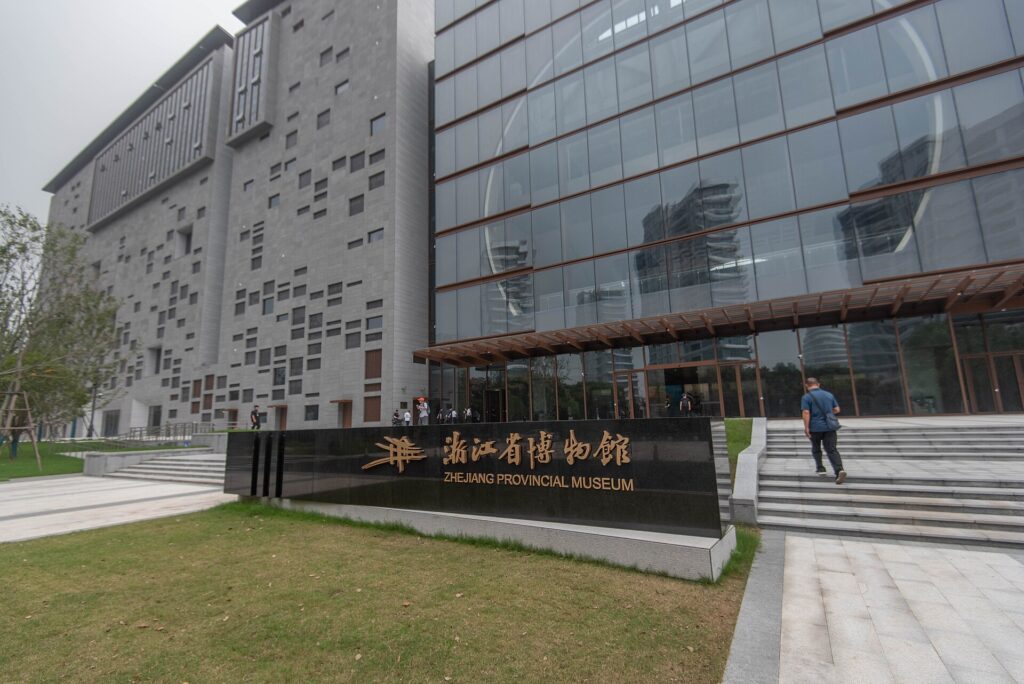
The museum is situated in Hangzhou, a city known for its scenic beauty and historical significance. The building itself reflects modern museum architecture tailored to accommodate the careful preservation and exhibition of delicate historical objects. Its design presumably includes well-lit galleries suitable for viewing a variety of material types, such as ceramics and textiles, in conditions that protect them from damage.
Although details on the exact size and layout are limited here, the museum’s location in Hangzhou connects it to a rich cultural landscape. The city’s own history complements the museum’s mission, as Hangzhou was an important capital in Chinese history and is famous for its links to classical literature, art, and commerce. The museum’s site offers visitors the chance to pair a cultural visit with exploring a city that has its own storied past.
Practical Information
Visitors interested in exploring the Zhejiang Provincial Museum should check the museum’s official website for the latest details regarding opening hours, admissions, available discounts, guided tours, audio guides, and accessibility features. As with many museums, hours and services can vary with seasons and special exhibitions, so up-to-date information is essential for optimal planning.
While general advice might apply, such as arriving early to avoid crowds or leaving ample time to fully appreciate the collections, these suggestions should be adapted according to current conditions reported by the museum. The museum likely has a ticketing system that visitors will need to navigate, and there may be protocols related to photography or the handling of objects that require review upon arrival.
Why Visit
The Zhejiang Provincial Museum offers visitors a focused exploration of the cultural and historical identity specific to Zhejiang Province. For those with a regional interest in Chinese history or archaeology, the museum presents an opportunity to see artifacts that might not be prominently featured in larger national institutions. This provincial focus allows for insight into local variations in art, craft, and social history that contribute to the complex tapestry of China’s past.
The museum suits visitors who appreciate archaeological collections, ethnographic materials, and the tangible traces of local history. It offers a chance to engage with a specialized view of China’s past that is distinct from the better-known narratives centered on imperial capitals or pan-national achievements.
Limitations of the museum might include its narrower geographic scope, which may not offer the breadth some visitors expect from major urban museums. The thematic range, while rich in its domain, focuses largely on Zhejiang and so might feel less comprehensive in terms of overall Chinese history or art. Additionally, practical conveniences such as available English language materials or extensive visitor amenities may vary, so checking ahead is advisable.
For visitors to Hangzhou interested in culture and history, the Zhejiang Provincial Museum complements local experiences, offering context and content that deepen understanding of the region beyond its natural and scenic attractions. It stands as a resource that bridges the past and present of one of China’s culturally significant provinces.