Qantas Founders Museum Review
Aviation Museums · Longreach, Australia. The Qantas Founders Museum in Longreach, Queensland, occupies a significant place in Australia’s aviation history. It commemorates the origins of Qantas Airways, established in 1920 in outback Australia. Qantas, an acronym for Queensland and…
Aviation Museums · Longreach, Australia. The Qantas Founders Museum in Longreach, Queensland, occupies a significant place in Australia’s aviation history. It commemorates the origins of Qantas Airways, established in 1920 in outback Australia. Qantas, an acronym for Queensland and…
Best forMuseum lovers, culture travelers, first-time visitors
Review focusCollections, visitor experience, and practical planning
Historical Context
The Qantas Founders Museum in Longreach, Queensland, occupies a significant place in Australia’s aviation history. It commemorates the origins of Qantas Airways, established in 1920 in outback Australia. Qantas, an acronym for Queensland and Northern Territory Aerial Services, began as a small regional airline and grew into the country’s flagship carrier. The museum situates itself firmly within this narrative of pioneering spirit and the technological advances that enabled commercial flight in remote landscapes.
The founding of Qantas was inseparable from the challenges of servicing vast and isolated regions, at a time when Australia’s interior was far removed from metropolitan connectivity. The story reflects broader themes about Australian innovation, resilience, and the gradual integration of the country into global aviation networks. The museum preserves and showcases this legacy through its collection, illustrating how Qantas transitioned from a few modest aircraft and local routes into an international enterprise. This narrative highlights aviation’s role in shaping modern Australia, socially and economically.
The location in Longreach is critical to the museum’s identity, as the town was the airline’s original home base and operational hub for many years. This ties the museum not only to company history but to the local community and its contribution to aviation heritage. Understanding the context means appreciating both the technical evolution of aircraft and the human stories of pilots, engineers, and passengers who helped establish and grow Qantas during the 20th century.
What You See on Arrival
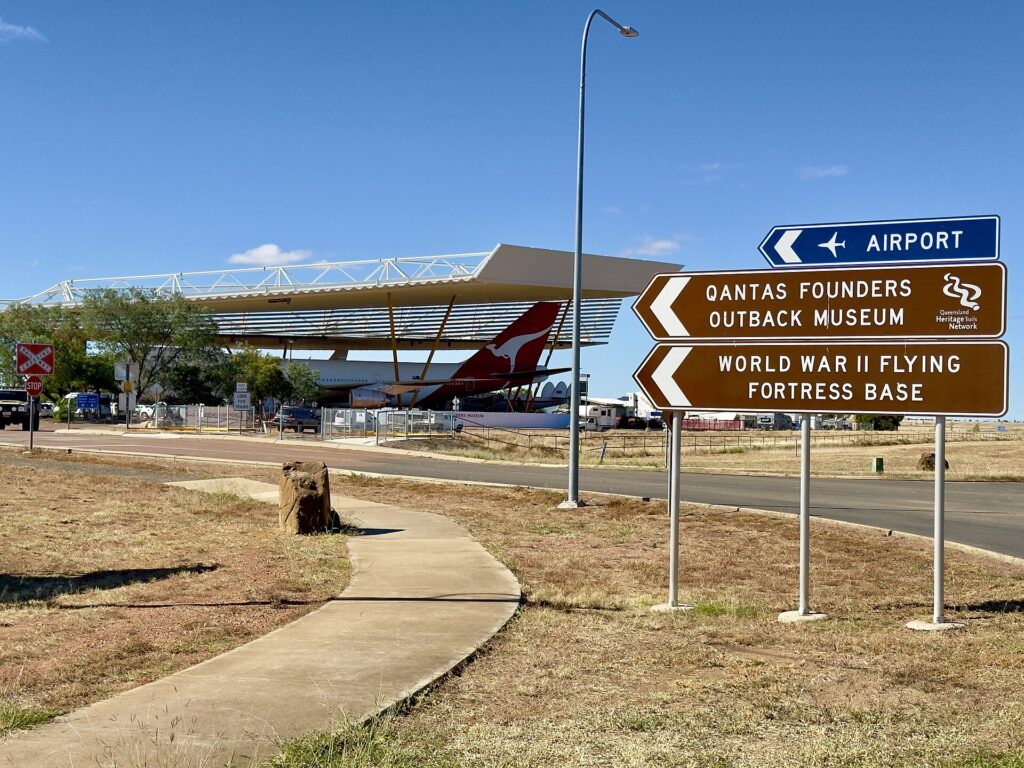
Upon approaching the Qantas Founders Museum, visitors encounter an environment that signals both the historical and technological aspects of aviation heritage. The entrance and immediate external displays set an atmosphere reflecting the aviation focus, with recognizable aircraft forms and memorabilia visible from outside. These external exhibits act as an introduction, framing the museum as a place dedicated to telling the story of pioneering flight and Qantas’s roots.
The museum’s architectural layout and signage emphasize its role as both an archive of historical objects and a celebration of achievement in Australian aviation. The physical setting in Longreach, a regional town, adds a layer of authenticity and connection to the origins of Qantas as a company born far from the metropolitan centers. Visitors receive clear impulses that they are about to explore a collection centered on both technical development—aircraft, parts, and aviation equipment—and personal histories reflected in photographs, documents, and oral histories.
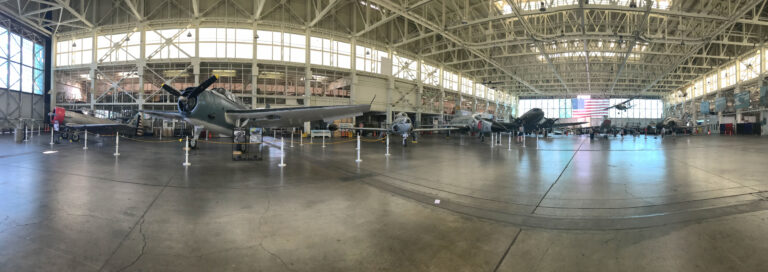
Inside, the spatial organization supports a narrative progression through time and technology. The focus is on a range of aircraft types, artifacts, and the pioneering context. The visitor’s first impression likely balances the technological with the historical. The presence of large aircraft displayed prominently outside or inside hall spaces reinforces the museum as a place where aviation technology and legacy are tangible.
Highlights and Key Exhibitions
The most substantial attraction of the Qantas Founders Museum lies in its aircraft collection, which directly illustrates the airline’s evolution. The display of several early and significant aircraft associated with Qantas forms the backbone of the visitor’s experience. Particularly notable are the restored and exhibited planes that date back to the early years of the company, alongside examples marking mid-century developments in aviation technology.
One of the key highlights is the Boeing 747, symbolizing Qantas’s expansion into international air travel and its rise as a major global carrier. As one of the earliest jet airliners to carry large numbers of passengers over long distances, the 747 represents a major technological leap and is iconic within aviation history. The museum’s possession of such a model concretely connects visitors to this period of commercial aviation growth.
Another focal point is the collection of aircraft from the inter-war and post-war periods, which shed light on the technological and operational challenges faced by Qantas as it expanded its services. For example, displays involving the de Havilland Dragon and other classic biplanes reflect the era when aviation was still perilous and experimental but full of promise. These exhibits include technical components and storytelling about aircraft design, maintenance, and operation in Australia’s challenging terrain.
The museum also dedicates space to early communication technologies and tools essential to aviation safety and navigation. Radio equipment, flight instruments, and pilot uniforms offer insights into the human factors involved in flight operations. This complements the large airframes and adds dimension to how aviation was more than machines alone; it was a complex undertaking involving skill and adaptation.
The aviation heritage is supplemented by archival materials such as photographs, contracts, and promotional ephemera. These documents narrate the airline’s business development, public relations, and how it marketed itself to an evolving audience. Historical films and audio may be part of the interpretive materials, although the specific format is subject to change.
Beyond aircraft and documents, the museum acknowledges the social and cultural dimensions of Qantas’s story. This includes stories of the founders, early employees, and broader community connections. Exhibits reflect how the airline shaped movement within Australia and contributed to national identity and economic development.
Visitors can also expect interpretive panels that attempt to place Qantas’s history in broader contexts—but the museum’s focus remains largely on company history, with less emphasis on critical global or sociopolitical aviation issues. The collection is strong for aviation enthusiasts interested in technical details and historical continuity but might read as specialized to the casual or international audience.
Visitor Experience
The layout and presentation at the Qantas Founders Museum aim to balance the needs of aviation specialists and general visitors. The progression through time and technology is generally clear, allowing visitors to appreciate the development of Qantas from its earliest days to its contemporary significance. The presence of substantial aircraft—both inside and outdoor displays—adds a three-dimensional and physical element to the experience rarely replicated in smaller aviation museums.
Interpretive signage and exhibit design work together to explain technical concepts in accessible language, likely assuring engagement without overwhelming newcomers. Photographs and personal stories humanize the history, breaking up potentially dry technological details. The inclusion of multimedia elements, where present, helps maintain pace and attention, though specific offerings fluctuate and visitors should verify current programming.
Because the museum is located in a remote town, it draws an audience interested in Australian history, aviation, and regional heritage. It serves well those with a curiosity about how aviation grew in difficult environments and how companies like Qantas became national institutions. School groups and families might find parts of the museum educational, especially when exhibits illustrate interaction between technology, people, and place.
The physical scale of the museum and its outdoor exhibits means visitors must be prepared for some walking between displays. The rural location itself might require careful logistical planning from visitors coming from major cities or other destinations. The museum is less focused on international tourism than on preserving and celebrating a distinctly Australian aviation story, which shapes interpretation and exhibit choices.
While informative about Qantas’s historical development, the museum does not extensively address critical or controversial topics such as labor relations, environmental impacts of aviation, or contemporary airline industry challenges. Visitors seeking a broader aviation industry critique may find the scope somewhat narrow, as the museum centers on celebratory heritage rather than critical analysis.
Tickets, Access, and Planning
Practical information about visiting the Qantas Founders Museum should be confirmed via its official sources. Visitors are advised to check the current hours of operation, ticketing procedures, and any changes due to seasonal or special events on the museum’s website or through official channels.
Given the museum’s regional setting in Longreach, prospective visitors should consider travel arrangements carefully, including transport options from major urban centers in Queensland or elsewhere. Accessibility details, including for those with mobility issues, will also be available through official resources and should be confirmed in advance.
Admission policies, concessions, and arrangements such as guided tours or audio guides may vary, and official confirmation is vital. The museum’s facilities for visitors, including parking and amenities, are also best reviewed before planning a visit.
Final Verdict
The Qantas Founders Museum stands as a focused and detailed institution dedicated to one of Australia’s most important aviation stories. It offers an in-depth look at Qantas’s beginnings and technological growth, anchored in a location integral to its history. For enthusiasts of aviation history and Australian regional heritage, the museum presents rich material, including aircraft, archival documents, and personal narratives that illustrate early and mid-20th-century commercial flight.
Its strengths are evident in the collection’s scope related directly to Qantas’s corporate and operational evolution. The display of large, authentic aircraft and aviation equipment provides a tangible connection to the machines that made Qantas’s story possible. The interpretive materials generally strike a solid balance between technical detail and accessible storytelling, making the museum suitable for a range of visitors with moderate aviation interest.
However, the museum’s thematic focus on company history may be limiting for those seeking a wider view of aviation’s cultural or global implications. It also provides less critical engagement with the modern challenges facing airlines or the aviation sector’s environmental and social questions. Its location, while historically important, might pose logistical challenges for some visitors.
In practical terms, visitors should engage with official sources for visiting information and plan accordingly, especially if coming from afar. The Qantas Founders Museum fulfills a clear mission in preserving and interpreting the origins of Australia’s national airline and provides a specialized look at aviation development within a unique regional context. It remains a valuable resource for understanding how commercial flight took root and expanded in Australia, highlighted by significant aircraft and personal stories that shaped Qantas’s enduring identity.