Chau Chak Wing Museum
Archaeology Museums · Sydney, Australia. The Chau Chak Wing Museum in Sydney, Australia, serves as a major public museum that integrates diverse collections from several university and cultural institutions. It operates as a repository of art, cultural artifacts, archaeology,…
Best forMuseum lovers, culture travelers, first-time visitors
Setting / nearbySydney, Australia
Overview
The Chau Chak Wing Museum in Sydney, Australia, serves as a major public museum that integrates diverse collections from several university and cultural institutions. It operates as a repository of art, cultural artifacts, archaeology, and natural history, bringing together a broad and varied assembly of objects. The museum reflects a commitment to research, preservation, and public engagement, aiming to present multiple perspectives on human creativity and the natural world. It is associated with the University of Sydney and has consolidated collections that were formerly spread across separate sites, allowing for a more coherent visitor experience.
The museum’s identity is shaped by this interdisciplinary approach, where art meets anthropology, and natural history intersects with cultural heritage. Rather than focusing narrowly on one theme, it has been designed as a multidisciplinary museum that can attract audiences with broad interests as well as specialists. Exhibitions are arranged to emphasize connections between objects and their contexts, which can provide insight into the histories and cultures they represent. For visitors curious about the intersections of environment, history, and art, the museum offers a distinctive setting to explore these topics.
Collection Highlights
At the heart of the Chau Chak Wing Museum is a large and eclectic collection. It draws on archaeological artifacts from the ancient Middle East, ceramics spanning centuries of Chinese history, indigenous Australian objects, and an assemblage of natural history specimens. The integration brings together collections that previously existed independently, such as those linked to archaeology and ethnography, alongside significant holdings in fine and decorative arts.
The ancient Near Eastern and Mediterranean archaeology collections are notable for featuring objects that illuminate early civilizations. Visitors may see pottery, tools, and sometimes rare small finds from regions like Mesopotamia and Egypt. These items, aside from their individual stories, contribute to understanding human development and culture in early times.
Chinese ceramics are another strong focus, with pieces ranging from delicate porcelain to sturdier utilitarian ware. This variety offers a tangible sense of the craft traditions, aesthetic values, and trade patterns of historical China. For those interested in Asian art, this collection segment provides an opportunity to encounter different styles across various periods.
Importantly, the museum includes objects from Indigenous Australian people, reflecting cultural practices and connections to land. These collections are presented with care towards cultural sensitivities and with a scholarly intention of respecting the origins and meanings of the items.
Natural history items—collected from Australia’s unique flora and fauna—offer insight into biodiversity and environmental change. This part of the collection might include preserved animal specimens, fossils, minerals, and related materials that support educational aims on nature and science.
Alongside objects, the museum also curates exhibitions that may change or rotate over time, often drawing on the strengths of these core collections while embracing new themes or collaborations. This provides a degree of freshness and invites return visits.
Building and Setting
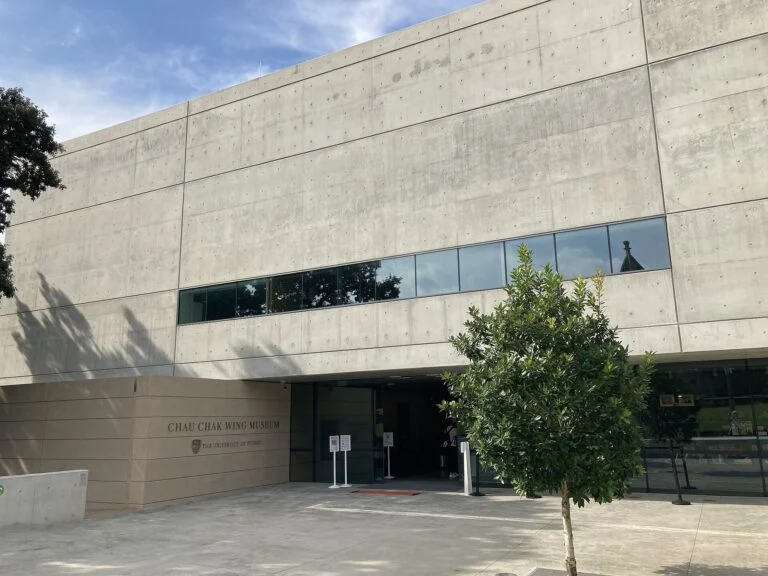
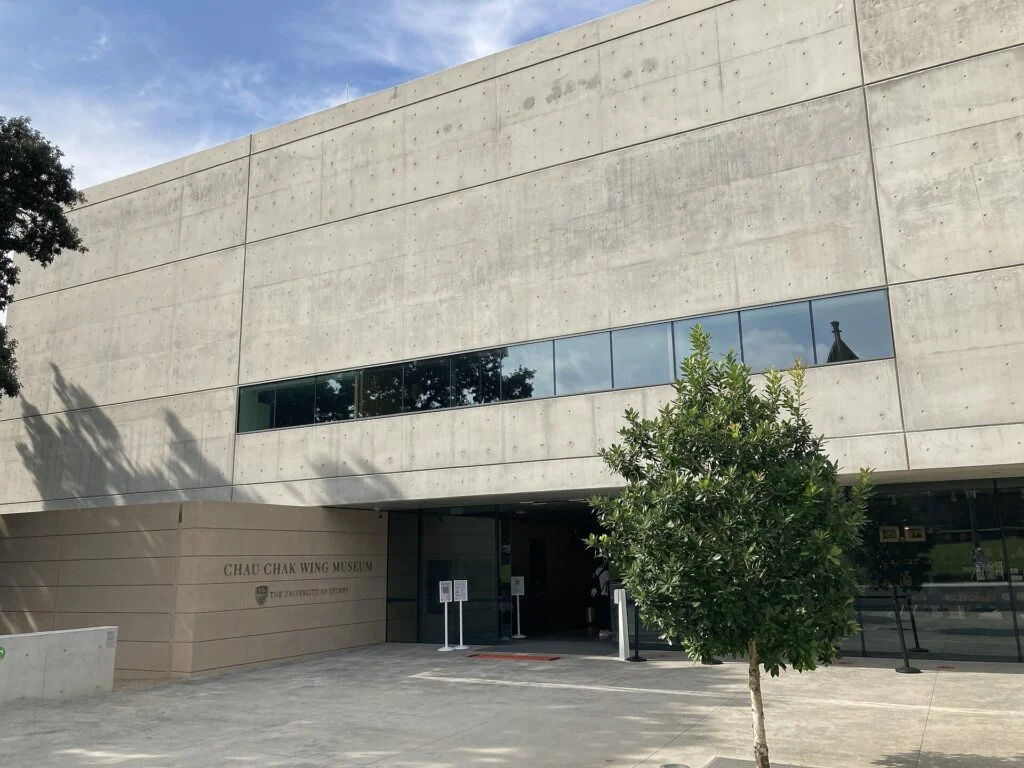
The Chau Chak Wing Museum is located within the grounds of the University of Sydney, situating it in an academic and urban context. The campus setting influences the museum’s role as both a public cultural venue and a research institution. The building itself is modern, designed to accommodate varied exhibition requirements and collections storage, while also creating welcoming spaces for visitors.
Its design facilitates both the display needs of different types of objects—fragile archaeological ceramics, preserved natural specimens, and fine art—and practical functions such as conservation and collection management. The architecture is intended to support the museum’s multidisciplinary mission with adaptable galleries and research facilities.
Accessed from the central parts of Sydney but somewhat removed from main tourist precincts, the museum benefits from a quieter environment that encourages thoughtful exploration rather than rushed visits. The University of Sydney’s campus setting also means the museum can engage with students and academics regularly, contributing to ongoing scholarship and educational programs.
Practical Information
Details around visiting the Chau Chak Wing Museum, including opening hours, ticketing, and accessibility options, should be confirmed through the museum’s official channels before planning a visit. While it operates as a public museum associated with a major educational institution, particulars such as guided tour availability, group visit policies, or temporary exhibit schedules may vary.
Because the museum holds diverse collections, some exhibitions or sections might have specific viewing conditions or require advance booking, particularly for research access or special events. Visitors should also check for any changes to access related to university events or public holidays.
The museum’s website is the most reliable source for current operational information, including any necessary visitor registration, restrictions, or changes due to external factors. As with any institution housing delicate or rare objects, visitors are encouraged to respect guidelines on photography, handling, and general behavior to help preserve the collections.
Whether arriving as a solo visitor, part of a family, or in an educational group, it is advisable to plan according to up-to-date museum policies. This might include checking on any audio or written guides, temporary exhibitions, or educational programs that align with one’s interests.
Why Visit
The Chau Chak Wing Museum offers a unique proposition for visitors interested in a confluence of cultural history, art, and natural science. Its assembly of collections from ancient civilizations, Asian art, Indigenous Australian culture, and natural history presents an opportunity to see multiple human and environmental narratives under one roof.
Those wanting a more academic or research-oriented experience will find resources and exhibits that support deeper inquiry. Students or scholars may benefit from the museum’s close ties to university research and the way it maintains and presents its collections in that context. At the same time, the museum’s public displays aim to be accessible to a wider audience without sacrificing complexity.
For the casual visitor or resident of Sydney, the museum may offer a quieter alternative to larger commercial institutions, with room to consider objects in detail and time to engage with stories that go beyond headline history. It also contributes to understanding Indigenous cultures with a respectful and careful approach, which may not always be available elsewhere in the city.
On the other hand, prospective visitors should be aware that the museum’s academic orientation and the broad focus of its collections might not align with those seeking purely entertainment-focused or heavily interactive experiences. Its strength lies in thoughtful presentation and educational depth rather than high-tech display or simple narratives.
In summary, the Chau Chak Wing Museum warrants attention for its ambitious merging of disciplines and collections that trace the human past, artistic achievements, and natural world through objects of diverse provenance. Checking current visitor information on the official website will provide the best guidance before planning a visit, ensuring expectations match what the museum offers at that time.