Koldinghus
Castle Museums · Kolding, Denmark. Koldinghus is a historic castle museum located in the town of Kolding, Denmark. It occupies a site with a long history as a royal fortress, once part of the defensive and administrative landscape of…
Best forMuseum lovers, culture travelers, first-time visitors
Setting / nearbyKolding, Denmark
Overview
Koldinghus is a historic castle museum located in the town of Kolding, Denmark. It occupies a site with a long history as a royal fortress, once part of the defensive and administrative landscape of the Danish kingdom. Today, Koldinghus is operated as a museum that explores its own past as a medieval stronghold as well as its later roles, including periods when it served as a royal residence and a barracks. The museum’s focus is on both the architectural and cultural history of the castle and the region, offering a perspective that connects local heritage with broader developments in Danish and European history.
Koldinghus stands out as a historic house museum and military museum hybrid, holding a range of exhibits and displays that reflect its changing functions over the centuries. Visitors interested in Denmark’s royal history, castle architecture, and military fortifications will find much to engage with here. The museum also presents aspects of the castle’s restoration efforts, especially following a major fire in the 18th century, which makes it relevant for those interested in conservation practices.
Collection Highlights
The collections at Koldinghus cover several thematic strands tied to the castle’s history and the surrounding cultural context. Exhibits include archaeological findings uncovered on the site, which provide insight into the castle’s construction phases and the lives of those who inhabited it across the centuries. These objects may range from household items and weaponry to architectural fragments.
The museum also displays furniture, tapestries, and decorative arts collected or commissioned by former royal occupants, illustrating the tastes and lifestyles of the Danish monarchy over time. Some of these items are examples of Renaissance or Baroque art, reflective of different periods in the castle’s use as a royal residence.
One of the more distinctive parts of the museum's presentation involves the story of the 1808 fire that severely damaged the castle, followed by the long process of rebuilding. This history is supported by documents, photographs, and architectural drawings that shed light on efforts to preserve the castle’s heritage while adapting it for modern museum uses.
Military history is another strand apparent in the exhibitions, with displays focusing on the castle's strategic role in various conflicts and the architectural features designed for defense. Visitors may see models, maps, and arms that contextualize Koldinghus within Denmark’s broader military history.
The museum also occasionally mounts temporary exhibitions relating to Danish history, art, and culture, although the emphasis remains on the castle’s unique story and tangible connections to the past.
Building and Setting
Koldinghus is situated in the centre of Kolding, a town in southern Denmark. The castle occupies an elevated position close to the fjord of Kolding, which historically was significant both strategically and economically. The surrounding urban area has grown up around the castle, making it easily accessible to visitors but also embedding it firmly in the modern townscape.
Architecturally, Koldinghus developed from a medieval fortress starting in the 13th century, with subsequent expansions and modifications over several centuries. It features typical castle elements such as thick stone walls, towers, and defensive installations. Despite suffering damage from fire and war, much of the structure has been preserved or reconstructed with attention to historical accuracy.
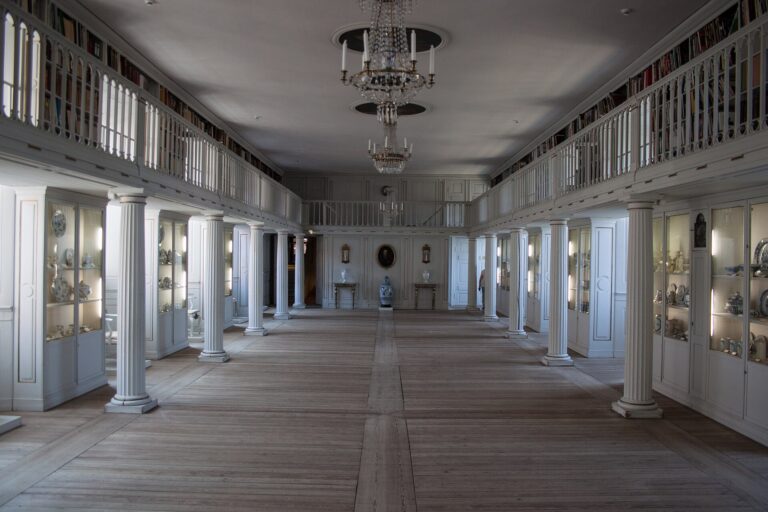
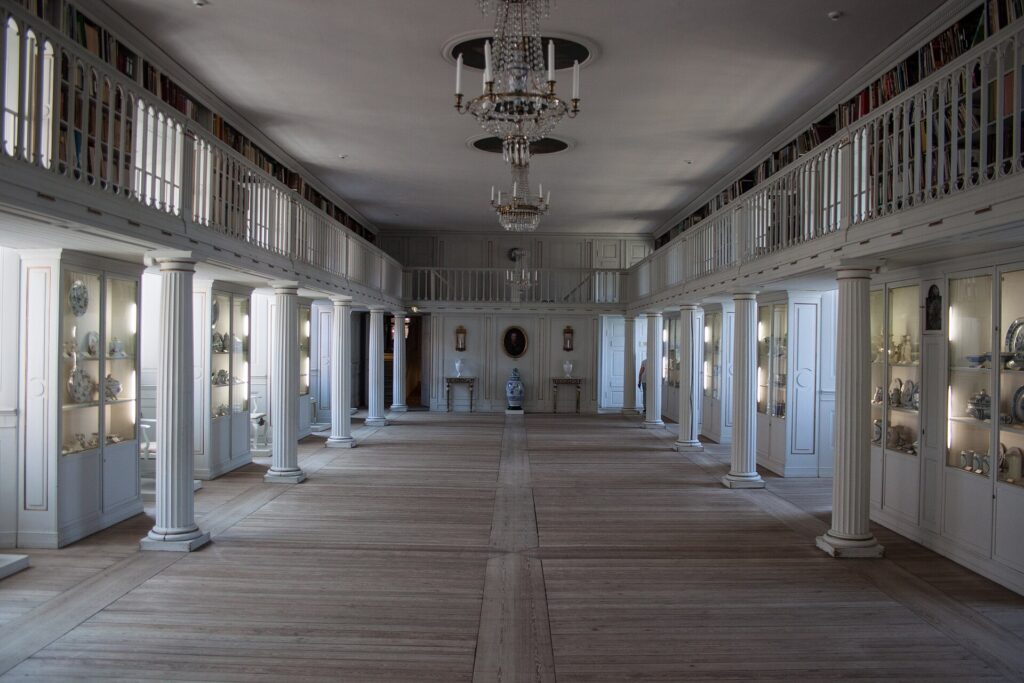
The museum spaces are distributed throughout the castle’s interior, including restored halls and chambers that allow visitors to experience the atmosphere of a historic royal residence. Some areas provide views over Kolding and the fjord, adding a scenic dimension to the visit. The castle’s grounds include courtyards and ramparts that contribute to understanding the original defensive purpose of the site.
Practical Information
Visitors considering a trip to Koldinghus should check the museum’s official website before their visit for the most up-to-date information on opening hours, admission fees, and ticketing policies. Details about guided tours, audio guides, or special programming may also vary according to the season or current exhibitions.
Accessibility information and visitor services should be confirmed prior to arrival, as older buildings like castles can pose challenges, though many historic sites have made adaptations to improve access. Likewise, information about on-site facilities such as cafes, shops, and parking is best obtained from official sources to ensure accuracy.
While the museum can accommodate a range of visitors, those with mobility concerns or families with small children may want to plan their visit with attention to the castle’s layout, which involves stairs and uneven surfaces typical of historic buildings.
Why Visit
Koldinghus offers a distinctive museum experience for those interested in historic architecture, royal heritage, and Danish history in a tangible form. The castle setting provides a palpable connection to events and figures spanning from medieval times to the modern era. Its collections, while focused specifically on the castle’s history and cultural context, open windows into how a royal fortress evolved into a cultural monument.
Visitors who appreciate historic sites with layered pasts and narratives about destruction, restoration, and ongoing preservation may find Koldinghus particularly rewarding. The museum’s story is not just about royal opulence but also about resilience and adaptation, which is reflected both in its physical fabric and its exhibitions.
While it may not offer the breadth of national art or archaeological museums, Koldinghus stands as a valuable walkthrough of Danish fortification history and royal life, set in a building that is itself a historic artifact. It suits visitors who favour history grounded in place and architecture rather than broad surveys or contemporary art.
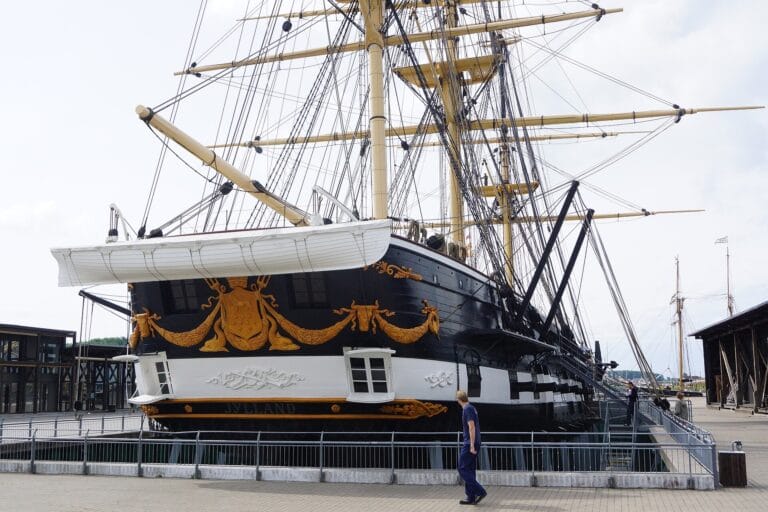
Some visitors might prefer a more streamlined visit focusing on main highlights, while others will appreciate the opportunity to explore detailed displays on shipwrecks, trade, and warfare connected to the castle’s maritime location. Planning time to navigate the castle’s courtyards and interior spaces can add depth to the experience beyond the exhibits.
In summary, Koldinghus is a museum that invites visitors to step into physical surroundings shaped by centuries of political and military history, royal residence, and cultural change. Its special value lies in this direct association with an important building type and its layered story, making it a worthwhile destination for those travelling through Kolding or exploring Denmark’s regional heritage.