Ara Pacis Museum
Archaeology Museums · Rome, Italy. The Ara Pacis Museum in Rome, Italy, is an archaeological museum dedicated to a single, significant monument: the Ara Pacis Augustae, or Altar of Augustan Peace. Erected in 13 BCE to honor the peace…
Best forMuseum lovers, culture travelers, first-time visitors
Setting / nearbyRome, Italy
Overview
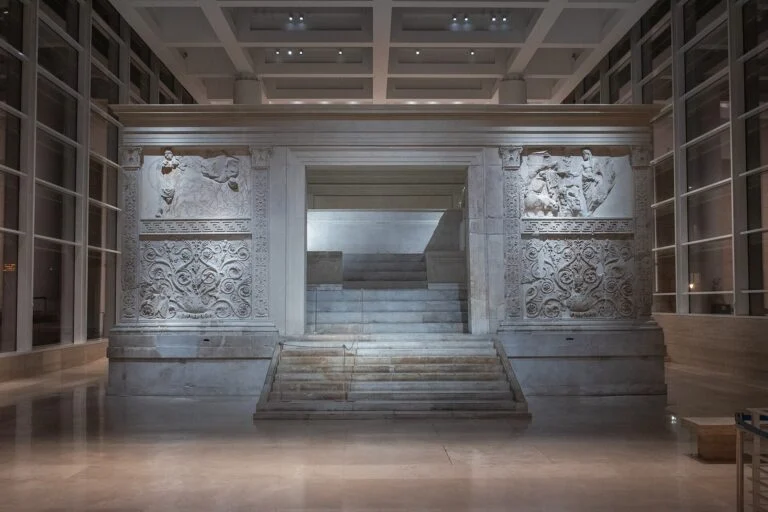
The Ara Pacis Museum in Rome, Italy, is an archaeological museum dedicated to a single, significant monument: the Ara Pacis Augustae, or Altar of Augustan Peace. Erected in 13 BCE to honor the peace and prosperity brought by Emperor Augustus, this altar symbolizes imperial ideology and Roman religious practices during the early Empire. The museum showcases the altar in a space designed to protect and present the sculpted reliefs that embellish its enclosure, offering visitors an opportunity to reflect on the art, politics, and religious symbolism of Augustan Rome.
This institution is specialized and focused rather than broad-ranging, making it most suitable for those interested in Roman history, ancient art, archaeology, and classical politics. Its appeal lies in the detailed preservation and interpretation of a singular archaeological monument that has shaped scholarly understanding of Rome’s imperial imagery and state religion.
Collection Highlights
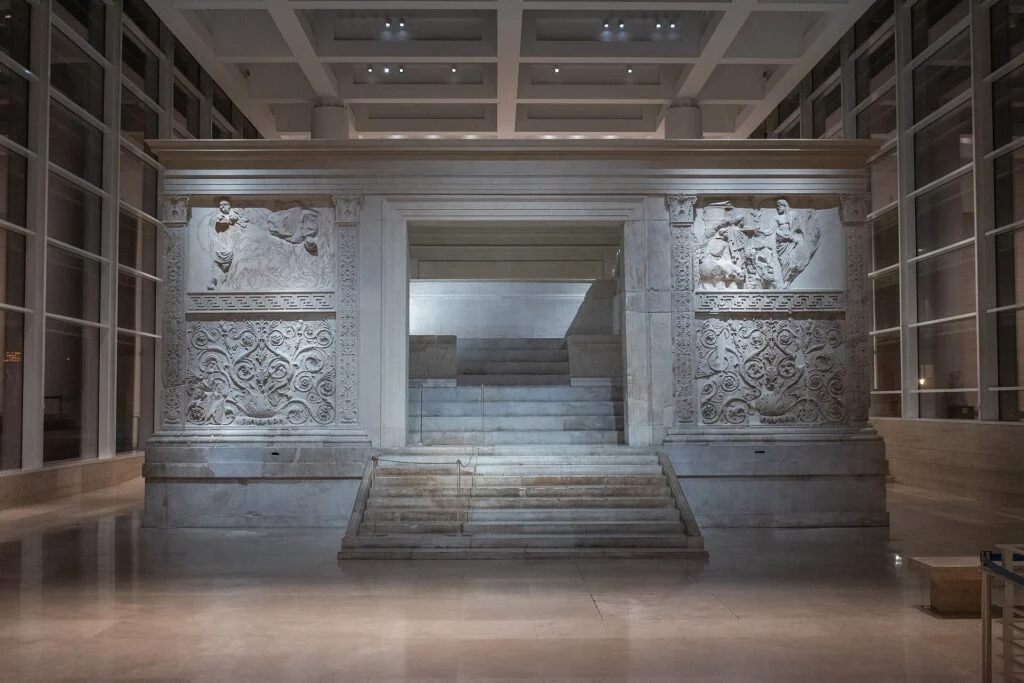
The centerpiece of the museum is without question the Ara Pacis itself. This altar is surrounded by intricately carved marble panels depicting allegories of peace, prosperity, and the divine sanction of Augustus’s rule. The lower register features exquisitely detailed naturalistic reliefs of plants and animals, which have provided insight into Roman artistic conventions and horticultural symbolism.
Above these are narrative reliefs showing members of the imperial family and various religious figures in procession. Visitors can study these figures closely to observe stylistic details—such as clothing, hairstyles, and facial expressions—that reflect contemporary Roman society and Augustus’s attempt to portray an idealized vision of Rome’s new era.
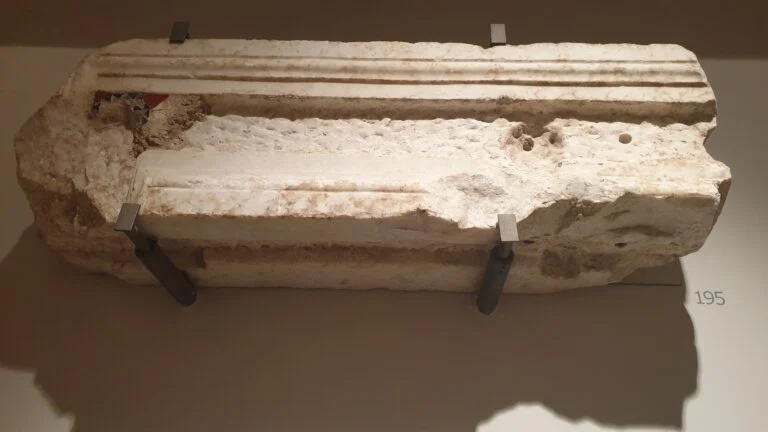
The altar’s thematic program centers on the pax Romana, the peace established under Augustus following years of civil war. The imagery intertwines myth, religion, and propaganda to convey a message about unity and divine favor. While the altar itself is original, parts of the structure in the museum include modern reconstructions and restorative work, which the museum documents carefully, allowing visitors to understand the artifact’s complex historical trajectory.
The museum’s displays often include explanatory panels and models that contextualize the altar within Augustan Rome’s political and religious landscape. These are helpful for visitors who may not be specialists but who want to grasp the significance of particular motifs or scenes. The collection does not extend much beyond the altar itself, reflecting the museum’s highly specialized focus.
Building and Setting
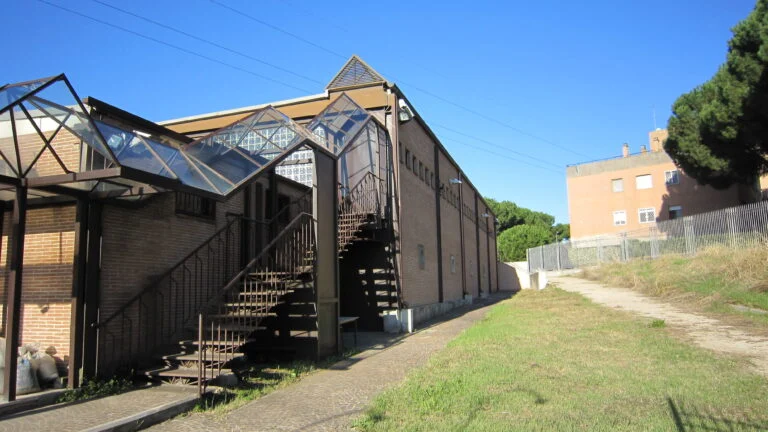
The Ara Pacis Museum occupies a building specifically constructed to house and protect the altar, located in central Rome near the Tiber River. The design of the museum aims to provide controlled natural lighting to highlight the reliefs without exposing them to damaging direct sunlight or environmental factors, consistent with modern conservation standards.
The setting places the altar close to where it originally stood in the Campus Martius, though the current urban context differs extensively from the ancient environment. Visitors can thus connect the monument with the broader geography of Rome, even as they experience it indoors.
While some architectural aspects of the building have been debated in terms of aesthetics and how well they integrate with their surroundings, the structure enables clear views of the reliefs from multiple angles and provides a calm, dedicated space for reflection. The museum’s proximity to other major Roman landmarks makes it a straightforward addition to a cultural itinerary within the city.
Practical Information
Up-to-date details about opening hours, ticketing, accessibility, guided tours, audio guides, and visitor services should be confirmed on the official museum website before planning a visit. This is especially important for international travelers or those with specific mobility needs, as operational policies and facilities may change.
Since the museum focuses on a single monumental artifact, it generally does not require extensive time to visit, but visitors with particular interest in Roman art and history may wish to allow a more measured pace. Group visits might require prior arrangement due to space constraints within the building.
As with many archaeological sites and museums in Rome, peak tourist seasons can result in larger crowds. Visitors interested in quieter experiences may want to plan visits during off-peak hours or seasons, when feasible.
Why Visit
The Ara Pacis Museum offers a concentrated experience of one of ancient Rome’s key imperial monuments, where visitors can engage deeply with the visual language of Augustan ideology. For those who appreciate Roman archaeology and art history, seeing the altar in person brings a level of detail and physical presence that images or replicas cannot match.
Beyond the artistic value, the monument is vital for understanding how the Roman state visualized power, religion, and peace in a period of transition from republic to empire. The museum facilitates this understanding by situating the altar within the specifics of Roman religious practice and political messaging.
While the museum’s narrow focus means that those seeking a broader survey of Roman antiquities or art will need to visit other sites, the Ara Pacis Museum excels at preserving and interpreting this singular monument with care and expertise. It thus fills an important niche in Rome’s rich mosaic of museums and cultural institutions.
In sum, the Ara Pacis Museum is worth visiting if you have a sustained interest in Roman imperial culture, religious iconography, or historical sculpture. It allows a relatively intimate encounter with a monument that continues to inspire scholarly debate and popular fascination about the nature of power and ideology in ancient Rome. For anyone mapping the cultural landscape of Rome’s ancient past, the museum is a focused and well-conceived destination that enriches the story of the city’s imperial heritage.