Centre Pompidou-Metz
Art Museums · Metz, France. The Centre Pompidou-Metz is a contemporary art museum located in Metz, a city in the Grand Est region of northeastern France. Established in 2010 as a branch of the Centre Pompidou in Paris, it…
Best forMuseum lovers, culture travelers, first-time visitors
Setting / nearbyMetz, France
Overview
The Centre Pompidou-Metz is a contemporary art museum located in Metz, a city in the Grand Est region of northeastern France. Established in 2010 as a branch of the Centre Pompidou in Paris, it serves as a regional institution dedicated to presenting modern and contemporary art exhibitions. The museum plays a significant role in decentralizing access to international modern art outside the capital, offering a platform for both established and emerging artists. Rather than housing a permanent collection, it functions primarily as a temporary exhibition space, often drawing on the extensive holdings of the parent museum’s modern and contemporary collections.
Situated in a city with rich historical roots and a tradition of cultural activity, the Centre Pompidou-Metz aims to expand the reach of modern artistic practices through changing displays that reflect various contemporary artistic movements and dialogues. Its role is as much about fostering cultural exchange and experimentation as about showcasing art objects. Visitors to the centre can expect an evolving program that touches on painting, sculpture, installation, video, design, and other media integral to the development of 20th and 21st-century art.
Collection Highlights
Unlike traditional museums with fixed permanent collections, the Centre Pompidou-Metz focuses primarily on temporary exhibitions curated around specific themes, artists, or movements drawn largely from the Centre Pompidou’s Paris collection and loans from other institutions. These exhibitions typically feature works by significant figures in modern and contemporary art, including pioneering artists from the early 20th century through to cutting-edge practices today.
Past exhibitions have included in-depth retrospectives, thematic presentations, and dialogues between various generations of artists. This means the exhibition program is frequently changing, which allows repeat visits to offer fresh experiences. Depending on timing, visitors may encounter painting, sculpture, photography, design objects, multimedia installations, or conceptual works.
The museum often includes major artists who have shaped modern art such as Pablo Picasso, Piet Mondrian, Jackson Pollock, or others influential in movements like Cubism, Surrealism, Abstract Expressionism, or Minimalism. At the same time, it also presents contemporary and experimental art that engages with current social, political, and aesthetic questions. This balance makes it a dynamic venue for understanding the trajectory and diversity of modern artistic expression, with work that can be both challenging and accessible.
Because the collection is not static, it is wise for potential visitors to review the museum’s current and upcoming exhibition information to decide if the schedule aligns with their interests. The exhibition space itself is designed to be flexible in order to accommodate a wide range of art forms and presentation styles.
Building and Setting
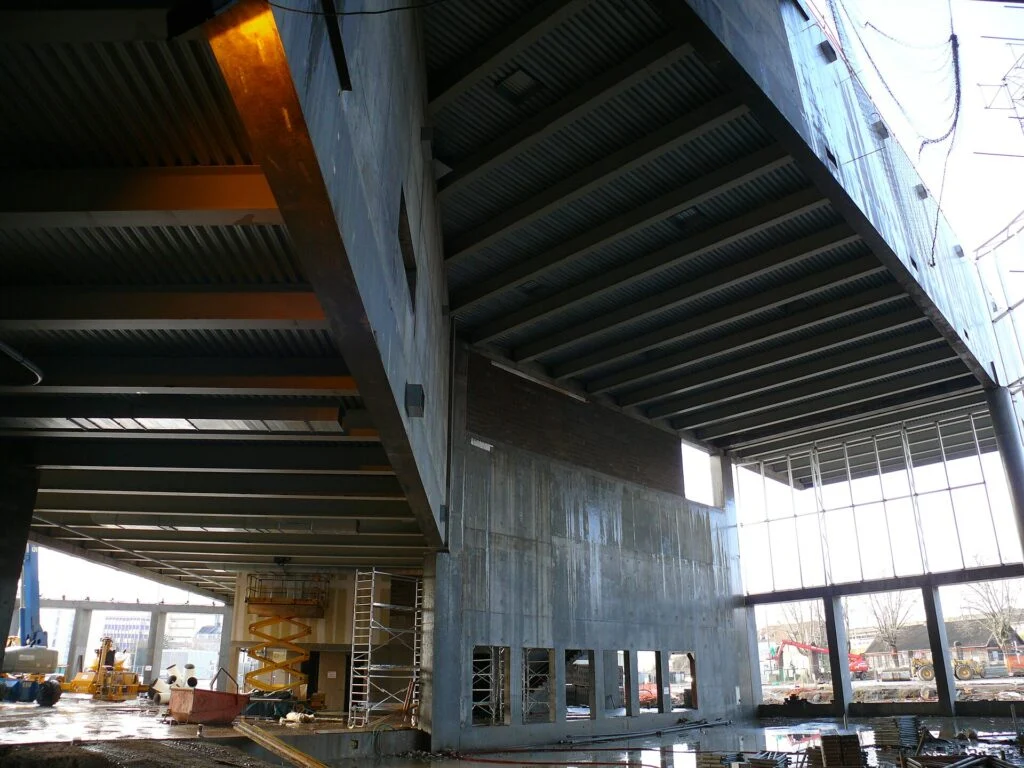
The Centre Pompidou-Metz is housed in a striking modern building that itself draws considerable interest. The architectural design is notable for its innovative roof structure inspired by traditional woven Chinese hats, employing a complex wooden lattice that creates a distinctive form and invites natural light into the interior galleries. This architectural ambition reflects the museum’s commitment to modernity and experimentation, complementing the works inside.
Located in Metz, the museum is part of the wider cultural redevelopment of the city, situated near the Seille river and adjoining green spaces. The setting allows for a pleasant approach on foot or by local transport and situates the museum within Metz’s urban fabric, rather than in isolation. The surrounding area includes other cultural and historical sites, offering options for visitors who wish to explore the city’s heritage alongside contemporary art.
The building’s design accommodates large-scale exhibitions and multimedia installations that benefit from its open and varied gallery spaces. It emphasizes functionality alongside its aesthetic qualities, facilitating the presentation of diverse works. The architecture itself often becomes part of the visitor experience, connecting structure and content in a way that reflects the museum’s mission.
Practical Information
For those planning a visit to the Centre Pompidou-Metz, it is advisable to consult the museum’s official website for the most current information regarding opening hours, temporary closures, ticketing procedures, and any special advisories. Details on admission fees, reductions, booking requirements, guided tours, and accessibility arrangements are all subject to change and should be verified ahead of arrival.
Given the museum’s location in Metz, travelers should consider transport options, as well as the proximity of other local attractions if planning a broader itinerary. Public transport connections and parking availability may vary, so checking relevant local resources can help avoid inconvenience.
While the museum does not maintain a permanent collection on site, the temporary exhibitions and the changing program mean that visit length can vary widely depending on the current show. Visitors appreciating contemporary art and flexible curatorial approaches may wish to allocate at least an hour or two to fully engage with the exhibition on display.
As with many institutions focused on international contemporary art, the museum’s content may be challenging or experimental in nature and may not cater equally to all visitor interests. Families with children or visitors seeking more traditional art historical presentations might want to review exhibition themes before arranging their visit.
Why Visit
Centre Pompidou-Metz offers a distinctive opportunity to encounter modern and contemporary art outside Paris while benefiting from the curatorial expertise and collection resources of one of France’s major cultural institutions. Its rotating program allows visitors to experience a variety of artistic voices and movements, from early 20th-century modernism to current international trends.
The museum suits visitors who have an interest in contemporary artistic developments and those curious about the intersections between art, architecture, and spatial experience. The building’s design itself invites reflection on the relationship between form and function, bridging historical reference and modern innovation. For art enthusiasts in the region or those exploring northeastern France, it adds a cultural dimension that complements the city’s broader historical and architectural appeal.
One limitation to note is the absence of a permanent collection, which may affect those looking for a sense of continuity or specific well-known works on display all year round. However, its exhibitions aim to be thoughtfully curated investigations into artistic themes, which can provide insight into ongoing artistic dialogues.
In summary, the Centre Pompidou-Metz serves as a notable institution for contemporary art in a regional French context. Its changing exhibitions and architecturally interesting setting make it a meaningful place for viewers open to the evolving nature of art and exhibition practice. Prospective visitors should consider their own interests and check the museum’s current offerings to make the best of their experience.