Ájtte Swedish Mountain and Sami Museum
Indigenous Culture Museums · Jokkmokk, Sweden. The Ájtte Swedish Mountain and Sami Museum, located in Jokkmokk in northern Sweden, is a museum dedicated to the culture, history, and environment of the mountainous region and the Indigenous Sami people. It serves…
Best forMuseum lovers, culture travelers, first-time visitors
Setting / nearbyJokkmokk, Sweden
Overview
The Ájtte Swedish Mountain and Sami Museum, located in Jokkmokk in northern Sweden, is a museum dedicated to the culture, history, and environment of the mountainous region and the Indigenous Sami people. It serves as an institution that collects, conserves, and presents objects and stories relevant to the lives and traditions of the Sami as well as the natural landscape of the Scandinavian mountains. This museum is one of the few places focusing specifically on Sami heritage within Sweden, situating it as an important cultural center for understanding the indigenous population of the Arctic and sub-Arctic regions.
As a museum of cultural and natural history, Ájtte provides visitors with a multi-layered perspective on the evolution of Sami society—from traditional livelihoods such as reindeer herding and handicrafts to contemporary challenges and adaptations. It also explores the distinctive mountain environment that has shaped this culture and the broader regional history involving migration, resource use, and political developments. Visitors interested in indigenous cultures, northern environments, or Scandinavian history may find this museum particularly relevant.
Collection Highlights
The core of Ájtte’s collection is focused on Sami material culture and the natural history of the mountainous region. A significant portion of the exhibits presents traditional Sami crafts including textiles, tools, clothing, and other everyday objects that illustrate the practical and symbolic aspects of Sami life. For example, the display of traditional clothing highlights the unique styles and techniques used in Sami dress, showing regional variations and adaptations for the cold climate.
Reindeer herding is another prominent theme, as it has been central to Sami identity and economy for centuries. The museum’s holdings include equipment related to herding and transportation, as well as information on the seasonal cycle of the reindeer, offering insight into both cultural practice and the environmental context. Visitors will also see objects related to Sami spiritual life and storytelling traditions, although sensitive or sacred materials may be presented with particular care and consideration.
Natural history is integrated alongside cultural displays, featuring specimens and exhibits about the flora, fauna, and geological characteristics of the Scandinavian mountain region. This combination underlines the close relationship between the Sami people and their environment. Some exhibitions discuss environmental changes and their impact on both wildlife and human activities, although the depth and currentness of environmental discussions may vary.
Ájtte also maintains collections that relate to the historical interactions between the Sami and neighboring populations, including tools, artifacts, and photographs documenting trade, coexistence, and conflict. The documentation of 20th and 21st-century Sami life expands the museum’s chronological scope and illustrates ongoing cultural resilience and transformation.
Building and Setting
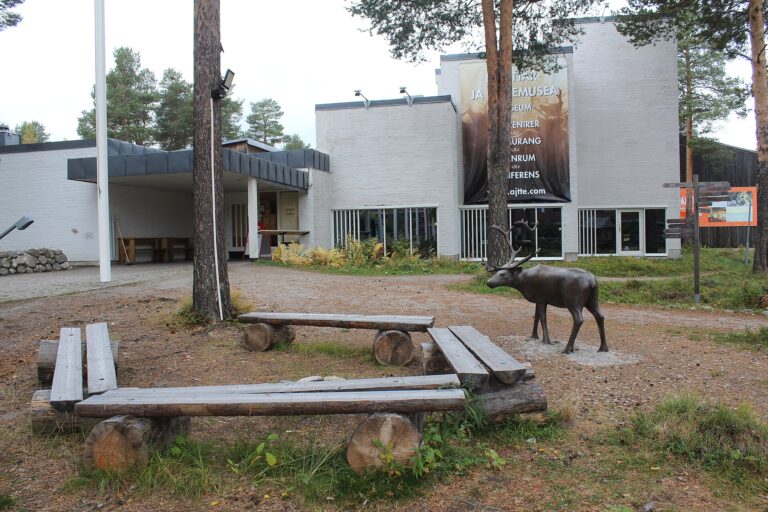
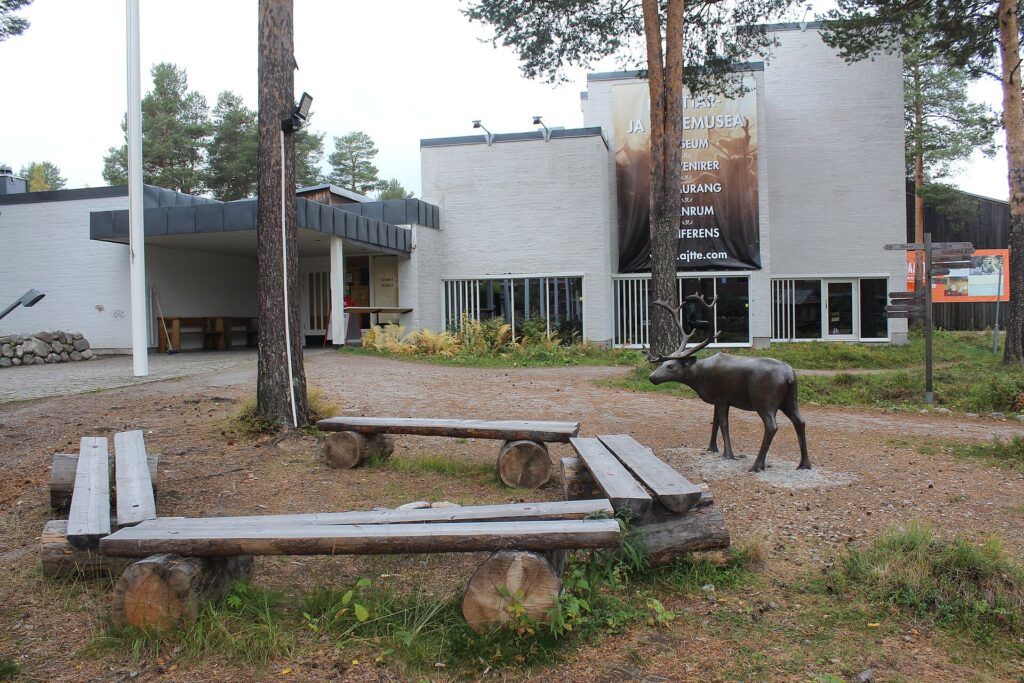
Ájtte is situated in Jokkmokk, a small town notable for its long-standing role as a meeting place in the Sami region, historically linked to seasonal markets and cultural exchange. The museum’s building itself combines modern architecture with an intention to reflect regional identity. Its design incorporates elements intended to harmonize with the surrounding landscape, although detailed architectural features are best appreciated in person.
The location in Jokkmokk places the museum within reach of the Arctic Circle, granting a certain atmospheric and geographical context for the exhibits. Visitors may find the setting relevant to understanding the scale and conditions of the mountainous environment, though the museum interior provides the primary educational experience. The town’s environment, with its subarctic climate and sparse population density, further underscores the cultural and environmental particularities explored inside Ájtte.
Practical Information
Potential visitors should consult the museum’s official website or other reliable sources for the latest information regarding opening hours, ticketing, accessibility, and any guided tours or educational programs available. As details can change, especially in regions influenced by seasonal variations or local events, verifying current conditions before planning a trip is advisable.
Because the museum is located in northern Sweden, travel considerations include the remote setting and climate, which can affect accessibility during winter months. Visitors should be prepared for conditions typical of a northern town and plan their journey accordingly.
Why Visit
Ájtte Swedish Mountain and Sami Museum offers a focused and insightful experience for those interested in indigenous culture and northern environments. Its strengths lie in a detailed representation of Sami life and the close ties between people and nature in this part of the world. For visitors keen to learn about Sami traditions, how the culture has developed through time, and the relationship with the natural mountain surroundings, Ájtte represents a concentrated source of knowledge and artifacts.
It suits visitors with a specific interest in indigenous studies, ethnography, or Scandinavian regional history. The museum also provides context for understanding current social and environmental issues faced by indigenous Nordic peoples, although it is primarily oriented toward presenting cultural heritage rather than in-depth political analysis.
One limitation to bear in mind is that the museum’s focus is regional and specialized—it may not cover broader Swedish or Sami issues beyond the mountain area in depth. Those seeking a comprehensive overview of all Sami groups across Scandinavia might want to supplement their visit here with other regional museums or cultural centers.
In summary, Ájtte acts as a bridge between past and present, nature and culture, and Sami identity and Swedish national context. It offers an opportunity to reflect on a unique way of life shaped by the mountain environment and centuries of history, framed through well-curated collections and exhibitions. For anyone planning a visit to northern Sweden with an interest in indigenous peoples or northern landscapes, Ájtte is a museum worth including on their itinerary, providing a steady, informative perspective on this region and its people.