Museo del Romanticismo
Design Museums · Madrid, Spain. The Museo del Romanticismo in Madrid offers a focused look at Spain’s Romantic period through art, decorative objects, and everyday furnishings. This house museum captures the cultural and social atmosphere of early 19th-century Spain,…
Best forMuseum lovers, culture travelers, first-time visitors
Setting / nearbyMadrid, Spain
Overview
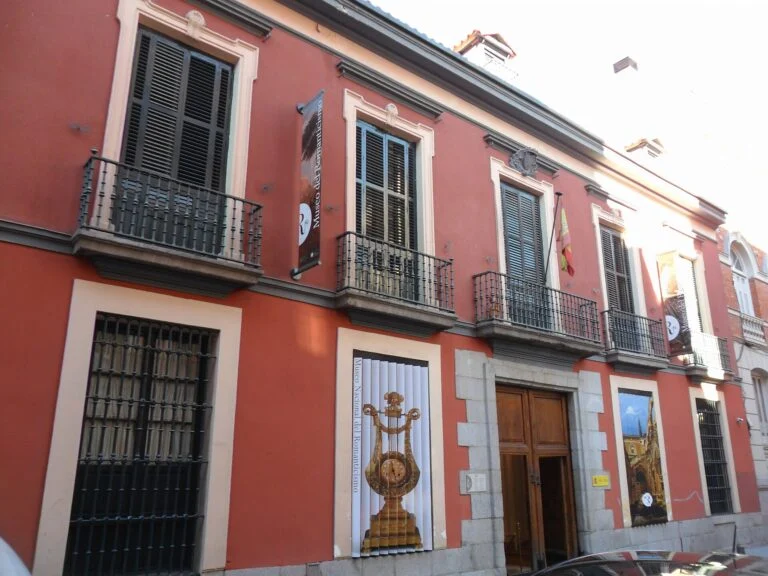
The Museo del Romanticismo in Madrid offers a focused look at Spain’s Romantic period through art, decorative objects, and everyday furnishings. This house museum captures the cultural and social atmosphere of early 19th-century Spain, a time when Romanticism shaped literature, visual arts, and domestic life with new emotional and aesthetic ideals. Located in a Madrid neighborhood known for its 19th-century origins, the museum takes visitors into a preserved domestic interior that helps reflect the style and sensibilities of the period.
Rather than a broad historical or art museum, the Museo del Romanticismo specializes in the Romantic era’s material culture and artistic output, addressing how this cultural movement influenced private and public life. It places objects in settings that suggest how people lived and expressed their identity during this time, helping to convey the period’s values beyond standard art-historical narratives. This concentrates the museum’s appeal largely on visitors interested in Spain’s cultural and artistic history during the 1800s, particularly those interested in Romanticism’s reflection in everyday life.
Collection Highlights
The collection centers on Spanish Romantic art and decorative objects from about 1800 to the mid-19th century. Paintings, furniture, ceramics, and textiles from this period are displayed together to re-create the domestic atmosphere of a refined middle- or upper-class household. The collection includes works by prominent Spanish painters linked to Romanticism, whose portraits and scenes articulate the era’s mood and themes.
In addition to paintings, the museum holds a substantial selection of furniture pieces that illustrate design trends influenced by Romantic taste, such as intricate woodwork, upholstery, and ornamental details drawn from a fascination with medieval and exotic motifs. Decorative arts are well represented, with ceramics, clocks, and metalwork providing a sense of daily life and material culture.
One notable element is the museum’s effort to integrate the art into a coherent setting that echoes how objects might have been used or displayed in historical homes. This curation helps visitors understand how Romantic aesthetics extended beyond canvases to influence living spaces and personal belongings. The display also includes manuscripts and prints that further contextualize the period’s intellectual and cultural environment.
While comprehensive in its focus on Romantic Spain, the collection is primarily centered on Madrid and Castilian cultural figures and styles, which may limit the geographic scope of the narrative. However, this local emphasis provides a detailed view of Madrid’s 19th-century cultural elite.
Building and Setting
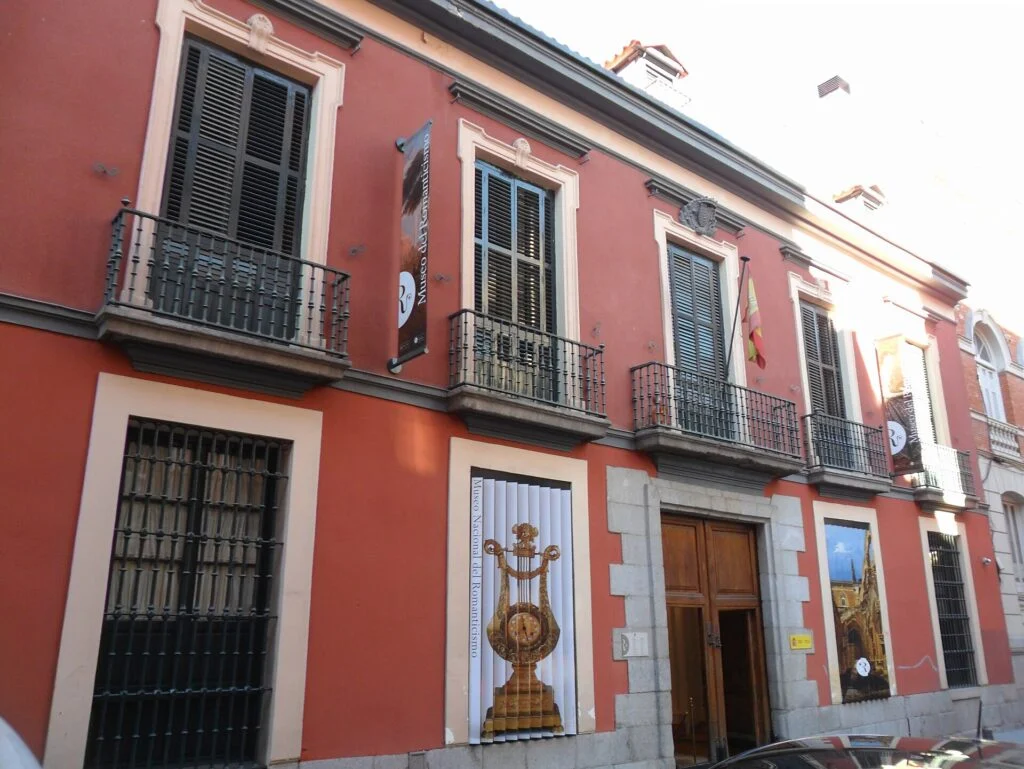
The museum is housed in a 19th-century building that itself reflects the residential architecture of the Romantic period. Situated in the historic center of Madrid, the location aligns well with the museum’s domestic themes. The building was once a private residence, which reinforces the museum’s concept of presenting Romantic life in a home-like environment rather than a conventional exhibition space.
Visitors experience the period not only through the collections but also through the architecture and room layouts, which help immerse in the style and scale appropriate to the era. The preserved or restored interiors show how spaces were organized and decorated to suit the tastes and functions of the time.
The setting in central Madrid situates the museum within reach of other significant cultural sites. However, as a specialized museum with modest size, it may not offer extensive visitor amenities or broad contextual information on Spanish Romanticism beyond what is directly illustrated by the collection and rooms.
Practical Information
Those planning a visit to the Museo del Romanticismo should consult the official museum website for up-to-date information on opening hours, ticketing, and any special exhibitions or events. The museum’s schedule, availability of guided tours, audio guides, and accessibility services can vary and are best confirmed before arrival.
Parking and access details may also depend on Madrid’s city regulations and the neighborhood’s infrastructure, so checking local transportation options is advisable. Due to the museum’s focus and size, visitors might find that a one to two-hour visit is appropriate to appreciate the collection without feeling rushed.
As the museum occupies a historical residential building, there may be some limitations on mobility for visitors with reduced access. Confirming accessibility provisions in advance is therefore recommended.
Why Visit
The Museo del Romanticismo is particularly suited to visitors who seek a deepened understanding of Romanticism as experienced through personal and domestic contexts rather than solely through artistic masterpieces. The museum’s approach, combining fine art with furnishings and decorative objects arranged in period rooms, provides a tangible sense of how cultural ideals of the time influenced daily life and social identity.
Visitors interested in Spanish art history will find that the works on display reflect a specific chapter of artistic development often overshadowed by later movements such as Realism or Modernism. The museum’s collection highlights the interplay between visual culture and the domestic sphere, offering a focused narrative on how Romanticism shaped the lives and tastes of a certain social class in early 19th-century Spain.
At the same time, the museum’s specialized nature means it may be less suitable for those seeking large-scale art exhibitions that cover a wide range of periods or styles. Those with a more general interest in Madrid’s museums should consider the Museo del Romanticismo as a complement to other institutions, such as the Prado Museum, which present broader historical and artistic panoramas.
The building itself adds interpretive depth, reinforcing an understanding of the era’s architectural and interior design. This tangible link between object and setting enriches the experience and helps ground the visitor in the cultural world of Romantic Spain.
Overall, the Museo del Romanticismo offers a distinctive visit for those with interests in cultural history, interior decoration, and 19th-century Spanish art. It facilitates a quiet, thoughtful engagement with Romanticism’s legacy as something lived and experienced, beyond its literary and poetic dimensions. Checking the museum’s website beforehand ensures visitors plan the best timing and can make the most of available resources during their visit.