Gansu Provincial Museum
Archaeology Museums · Lanzhou, China. The Gansu Provincial Museum in Lanzhou, China, serves as a significant regional repository that reflects the rich cultural heritage and historical development of Gansu Province. As a local history and archaeology museum, it holds…
Best forMuseum lovers, culture travelers, first-time visitors
Setting / nearbyLanzhou, China
Overview
The Gansu Provincial Museum in Lanzhou, China, serves as a significant regional repository that reflects the rich cultural heritage and historical development of Gansu Province. As a local history and archaeology museum, it holds an important position for anyone interested in the Silk Road, Chinese antiquities, and ethnographic materials associated with the diverse populations of this strategic corridor. Gansu’s unique geographical location as a gateway between central China and Central Asia has shaped its historical narrative, and the museum’s exhibitions provide insights into this complex past. Rather than presenting a narrow focus, the museum addresses a range of periods—from prehistoric times through imperial dynasties to more recent ethnic cultures—offering diverse stories through artifacts and interpretive material.
Collection Highlights
The museum’s core strength lies in its archaeological and ethnographic collections. Among the most notable displays are artifacts from the Silk Road era, including pottery, textiles, and religious relics that illustrate the cross-cultural exchanges that took place along these ancient trade routes. These objects help to convey the historic role of Gansu as a conduit for interaction between East and West.
Visitors can expect to see relics linked to the region’s prehistoric past, such as stone tools and early Bronze Age artifacts, shedding light on early human habitation in the Loess Plateau and surrounding areas. Some exhibits focus on burial practices uncovered in regional archaeological sites, offering tangible evidence of shifts in culture and belief systems over centuries.
The museum also holds materials related to some notable local ethnic groups, including Hui and Tibetan cultural artifacts, traditional costumes, and religious items. These give a rich sense of the living heritage that continues to define the province’s demographic and cultural mosaic.
While the collection is broad, the curation sometimes presents the artifacts within traditional typologies rather than more experimental or thematic frameworks. Some visitors looking for comprehensive historical narratives might find interpretive labels occasionally brief or reliant on external knowledge to fill gaps. However, the displays remain informative and accessible to audiences with varying levels of familiarity with Chinese history.
Building and Setting
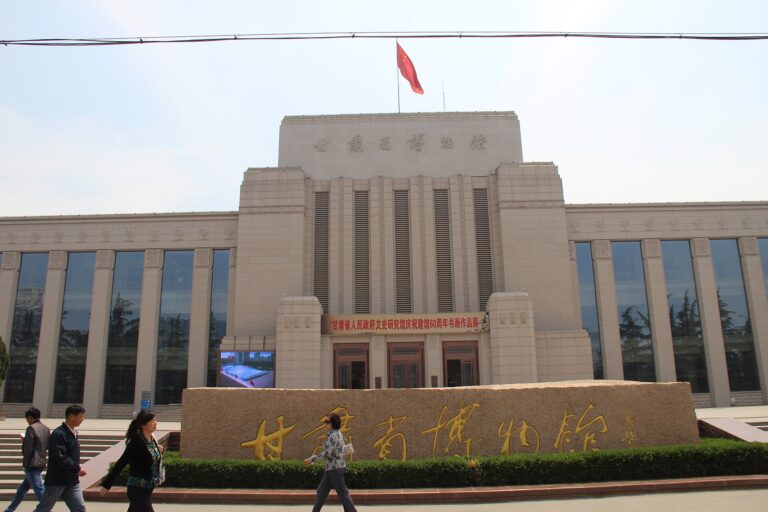
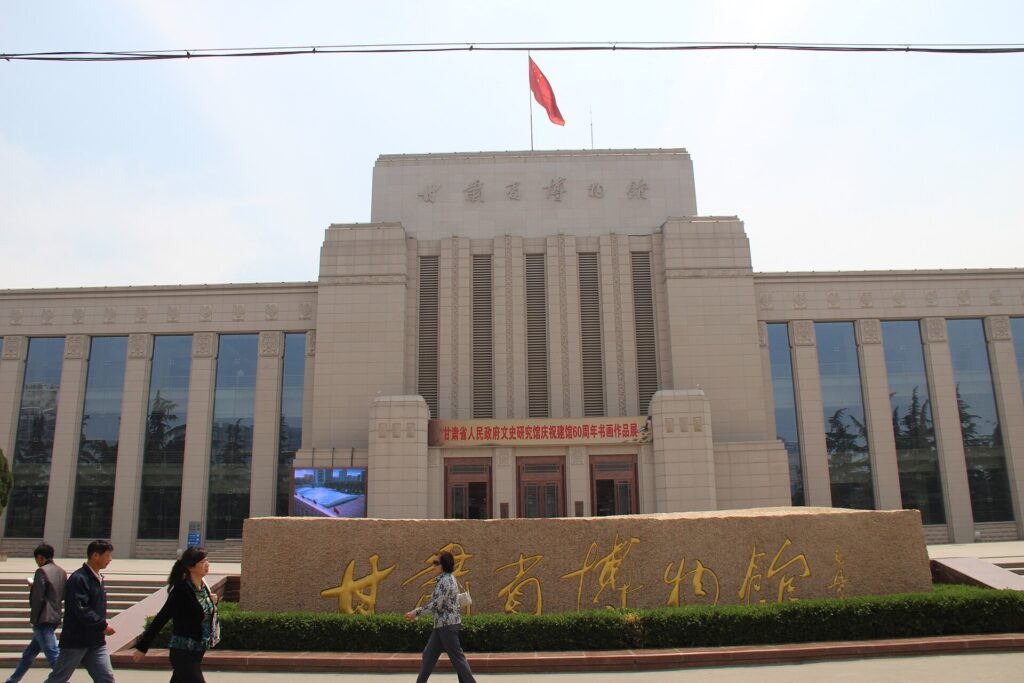
The museum is located in Lanzhou, the provincial capital, which lies along the upper reaches of the Yellow River. Its placement in this urban setting connects visitors directly with the historical landscapes that shaped the artifacts within the museum’s walls. The building itself is designed with functionality in mind; the architecture does not aim for flamboyance but rather offers a straightforward presentation space for the collections.
Natural light and sizable exhibition halls accommodate both permanent and temporary exhibitions comfortably. Signage and exhibition planning emphasize clarity, although visitors whose primary language is not Chinese might find interpretation limited or primarily in Mandarin. Features such as outdoor sculpture gardens or landscaping related to the exhibits are minimal, focusing attention primarily indoors.
The location in Lanzhou means that access is generally straightforward for visitors based in or near the city. The museum sits within reach of other cultural institutions, potentially facilitating comparative viewing for those interested in regional history and art.
Practical Information
While specific operational details are not exhaustively verified here, it is advisable to consult the official website before planning a visit. This will ensure up-to-date information on opening hours, ticketing, possible closure days, and any special events. Information about accessibility and the availability of guided tours or audio guides is also best confirmed directly.
For non-Chinese-speaking visitors, it’s worth noting that English-language support might be limited. Planning ahead with translation resources or visiting with a guide familiar with the museum’s content could enhance the experience. It’s also prudent to check visitor policies in light of any current health or safety guidelines that may affect access.
Visitors should consider that the museum can attract local school groups, especially during the academic year. Timing visits early in the day or on less crowded weekdays might offer a quieter experience.
Why Visit
The Gansu Provincial Museum offers a focused glimpse into a region with a complex cultural and historical identity. For those interested in the Silk Road or the interplay between diverse ethnic groups in northwestern China, it serves as a valuable resource. The archaeological collections provide concrete connections to the provincial past that might not be as visible elsewhere.
The museum’s approach to its subject matter, emphasizing regional cultural diversity and the historical depth of the area, makes it particularly relevant for students, researchers, and culturally minded visitors exploring Chinese history beyond the dominant narratives centered on coastal or southern cities.
While it might lack some of the interpretative features and visitor amenities found in larger metropolitan museums, it compensates with relatively broad coverage of the province’s material culture and ethnography. This can make for an insightful visit if approached with reasonable expectations and some background understanding of the region.
In summary, the Gansu Provincial Museum is an earnest provincial history and archaeology museum. It provides access to important cultural artifacts and backgrounds that illuminate its locale’s heritage. Visitors come away with a better sense of how Gansu’s place on historical trade routes influenced not just trade, but cultural exchange and ethnic diversity in the province. For those intent on regional Chinese history or Silk Road studies, it can be an informative stop, but all visitors should prepare by checking current visitor information and considering linguistic needs to make the most of the experience.