Royal Museums Turin Review
Archaeology Museums · Turin, Italy. The Royal Museums Turin represent a significant cultural institution in Italy’s Piedmont region, centered primarily around the Palazzo Reale di Torino and its affiliated venues. This complex amalgam of museums offers a window into…
Archaeology Museums · Turin, Italy. The Royal Museums Turin represent a significant cultural institution in Italy’s Piedmont region, centered primarily around the Palazzo Reale di Torino and its affiliated venues. This complex amalgam of museums offers a window into…
Best forMuseum lovers, culture travelers, first-time visitors
Review focusCollections, visitor experience, and practical planning
Historical Context
The Royal Museums Turin represent a significant cultural institution in Italy’s Piedmont region, centered primarily around the Palazzo Reale di Torino and its affiliated venues. This complex amalgam of museums offers a window into the history, art, and heritage associated with the House of Savoy, which played a pivotal role in the unification of Italy. The palace itself, built initially in the 16th century, served as the royal residence for centuries and reflects layers of architectural and artistic developments. Through the centuries, the collection within this ensemble has expanded to encompass not only royal furnishings and artworks but also archaeological finds, historical documents, and natural history artifacts.
The institution evolved through various phases, especially after Italy’s transition from monarchy to republic in the 20th century, and today functions under an integrated system designed to showcase and preserve Turin’s historical identity linked to its monarchical past. The Royal Museums comprise several locations, including the Royal Palace, the Armoury, the Royal Library with its notable archives, and additional sites related to botanical gardens and art galleries. Together, they frame Turin’s role as a capital of culture and political power within Italy’s broader historical narrative.
What You See on Arrival
Approaching the Royal Museums Turin, visitors are greeted primarily by the imposing façade of the Royal Palace itself, a visually commanding structure facing the central Piazza Castello. The architecture conveys the regal ambitions of Savoyard rulers, with Baroque and neoclassical elements reflecting different periods of refurbishment and expansion. The museum complex does not present a single entrance experience; rather, visitors often must orient themselves between several buildings and courtyards connected through the larger palace precinct.
The main entry points lead into large, formal spaces that establish the museum’s identity as a place anchored in aristocratic tradition and European royal culture. The balance of original palace interiors, including grand state rooms and private chambers, alongside galleries dedicated to art and historical objects, sets a clear tone of heritage preservation. This creates a foundational context before one moves into more specialized exhibitions such as the Armoury’s military collections or the Egyptian Museum housed nearby but managed under the same organizational umbrella.
There is a sense of walking into an institution where history is defined by the lives and legacies of rulers and their courts, rather than a purely chronological or thematic presentation of art and objects. This framing will shape expectations about the museum’s narrative focus and the types of visitors it most directly appeals to.
Highlights and Key Exhibitions
The Royal Museums Turin offer a rich yet focused selection of collections that speak to several interrelated themes: monarchy, material culture, art, military history, and archaeology. The Royal Palace itself is a highlight, housing lavish interiors with furnishings, tapestries, and artworks dating from the 17th to 19th centuries. Rooms such as the Sala delle Guardie and the Chapel of the Holy Shroud are of particular note for their decorative detail and connection to specific historical episodes and rituals of the dynasty.
The Armoury stands out within the complex for its extensive display of arms and armor, representing the military strength and ceremonial prestige of the House of Savoy. The collection includes helmets, swords, firearms, and full suits of armor, ranging from practical battlefield gear to finely decorated ceremonial pieces. This section appeals particularly to those interested in the intersection of art, technology, and military history, and the exhibits carefully link the objects to the historical context of European conflicts and diplomatic relations.
Another major component is the Royal Library and the archive collections that include manuscripts, maps, and documents vital for understanding both regional and national history. The manuscripts cover diverse genres, from illuminated codices to theatrical scripts, and underline Turin’s broader cultural role beyond its political stature.
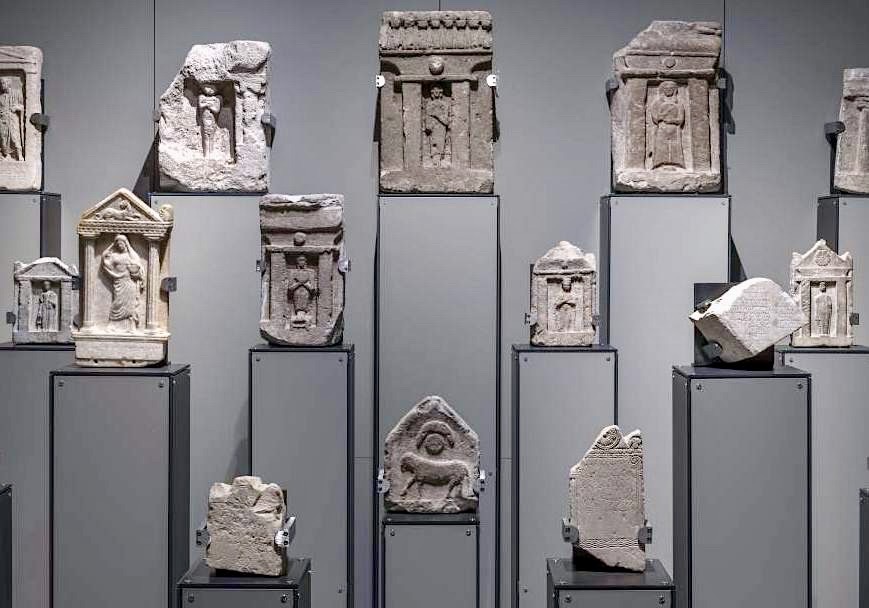
While the Egyptian Museum, though administratively connected, operates with a separate identity focused on antiquities, within the Royal Museums guiding structure there is a notable emphasis on historical continuity and cultural accumulation—from the Renaissance through to the modern Italian state.
The botanical gardens and related natural history exhibits, often lesser known, contribute an additional dimension by highlighting the Enlightenment-era interest in science and nature, which the Savoy court cultivated. These collections emphasize Turin’s status as a center of multifaceted intellectual activity through the centuries.
Visitor Experience
The Royal Museums Turin cater to a broad audience but generally will be most rewarding for those with a direct interest in European royal history, decorative arts, and military heritage. Visitors who expect a standard fine art museum experience focused on paintings and sculpture may find the presentation more concentrated on interior architecture, royal lifestyle material, and historical artifacts rather than widely canonical masterpieces or modern art.
The pacing through the various locations requires some attention: given the spatial distribution and diversity of collections, visitors may find it necessary to plan their time carefully to avoid fatigue. The palace rooms are best appreciated with a measured approach, allowing visitors to absorb the details of decoration, tapestries, and furnishings that often serve narrative purposes. The Armoury section may be more straightforward and engaging for those with a specific interest, although the density of objects can also be overwhelming if rushed.
Interpretive materials, such as wall texts and exhibition labels, typically emphasize historical context and provenance rather than abstract art theory or speculative interpretation. This suits an audience that values concrete historical facts and clear narrative over thematic experimentation or multimedia enhancements. However, this style may leave visitors accustomed to contemporary museum pedagogy wanting more interactive or multimedia content.
The museum’s layout can challenge visitors unfamiliar with the site's scale or its diverse components, and signage is critical to help navigate between the various venues. Visitor facilities such as booking information or amenities should be checked in advance via the museum’s official sources, because such practical particulars vary and can impact the overall experience.
Tickets, Access, and Planning
Planning a visit to the Royal Museums Turin requires some preparatory research, as practical information about tickets, galleries included, and opening hours is best verified through official web resources. The museum complex’s multiple units might have combined or separate admission policies, which could affect both cost and convenience.
Travelers should be aware that the Royal Museums occupy a large historic precinct with some walking involved to move between buildings. The site’s central urban location means external public transportation options are generally accessible, but specific accessibility provisions for those with mobility challenges merit confirmation from recent official updates.
Given the museum’s nature, spontaneous visits during busy periods—such as local holidays or tourist seasons—might result in crowded rooms, especially in the palace apartments and Armoury. Advanced ticket booking can help mitigate this, but precise visitor management policies should be checked at the time of planning.
Visitor services including guided tours or audio guides may be available but cannot be assumed without current official confirmation. Similarly, provisions for visitors with special needs, and onsite facilities like cafés or shops, are subject to change and should be verified to ensure a smooth visit.
Final Verdict
The Royal Museums Turin represent a concentrated, historically grounded institution offering insight into the monarchy that shaped northern Italy’s cultural and political landscape. Its strength lies in the authenticity of its setting—the former royal palace—and in its careful conservation of aristocratic ceremonial and domestic spaces. For visitors looking to understand how power and culture intertwined in early modern Europe, the museums offer a tangible experience through richly preserved interiors and associated collections.
However, the museum’s focus is specialized. It eschews broad, panoramic art historical surveys in favor of a narrower, historically anchored narrative. This focus might limit its appeal to generalist audiences or those seeking more dynamic or multisensory museum environments. Its layout and multiple sites require logistical attention, and visitor engagement depends heavily on managing one’s own expectations about the type of narratives and objects on display.
Those interested primarily in the decorative arts, royal history, and military artifacts will find the Royal Museums Turin rewarding. Conversely, visitors prioritizing avant-garde curatorial approaches, large-scale art collections, or high-tech interpretive media might need to balance their plans accordingly.
Ultimately, the Royal Museums Turin stand as a preserved historical locus that invites reflection on aristocratic life, political history, and cultural patronage. It serves well as a cultural destination for history enthusiasts and those intrigued by the material culture of monarchy, while also demanding informed preparation to navigate its scope and practical arrangements. For up-to-date visitor information, prospective tourists should consult the museum’s official website to confirm hours, ticketing, accessibility, and additional services.