Prototyp Museum
Automobile Museums · Hamburg, Germany. The Prototyp Museum in Hamburg, Germany, is a specialized institution dedicated to the history and development of automobile prototypes and early model vehicles. It offers an opportunity to explore the craftsmanship, design experiments, and…
Best forMuseum lovers, culture travelers, first-time visitors
Setting / nearbyHamburg, Germany
Overview
The Prototyp Museum in Hamburg, Germany, is a specialized institution dedicated to the history and development of automobile prototypes and early model vehicles. It offers an opportunity to explore the craftsmanship, design experiments, and engineering adaptations that shaped the automotive industry well before mass production became standard practice. Rather than focusing on finished, showroom-ready cars, the museum presents a narrative centered on the trial-and-error process, concept testing, and the technological and aesthetic innovations featured in early vehicle development.
Situated in Hamburg, a city with a significant industrial and transport heritage, the Prototyp Museum reflects a slice of German automotive culture from a technical and historical perspective. Its focus makes it distinct from nearby larger automotive museums that tend to emphasize production models or racing history. The museum appeals primarily to visitors interested in technical history, industrial design, and engineering evolution, including enthusiasts and scholars who appreciate the subtler stories behind car manufacturing.
Collection Highlights
The core of the Prototyp Museum’s exhibition includes numerous prototypes, concept cars, and experimental vehicles from various periods, predominantly covering the 20th century. These vehicles provide insight into the design decisions and technological advancements attempted by designers and engineers as they worked to overcome challenges related to performance, safety, and aesthetics.
Among the collection, there are early trials in aerodynamics, innovative engine designs, and unique chassis constructions. Some exhibits showcase cars that never reached commercial production, while others represent transitional models that influenced subsequent mass-market vehicles. This focus provides a concrete sense of the trials and innovations that guided automotive evolution, sometimes revealing surprising departures from familiar designs.
In addition to vehicles themselves, the museum includes related artifacts such as original design sketches, engineering blueprints, and testing materials. These supplementary items help contextualize the design process, illustrating the technical knowledge and craftsmanship required. The museum also documents the role of prototype development within Germany’s broader industrial story, subtly underscoring connections to Hamburg’s mechanical and manufacturing traditions.
Visitors might notice a mix of well-known marques alongside lesser-known manufacturers, highlighting the diversity of approaches in early and mid-20th-century automotive experiments. The exhibits avoid overstating any single brand’s dominance, instead presenting an intentionally varied view of the field’s evolution. For those who appreciate technical detail, the collection’s presentation often encourages thoughtful engagement, interpreting rather than simply displaying the vehicles as finished products.
Building and Setting
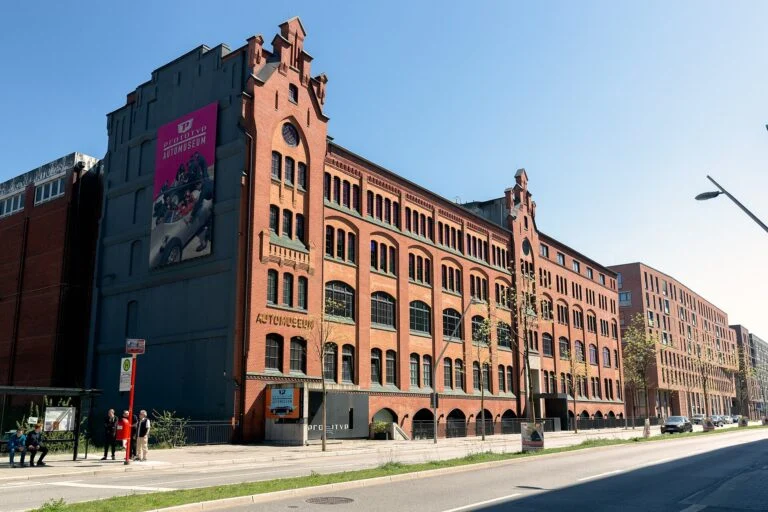
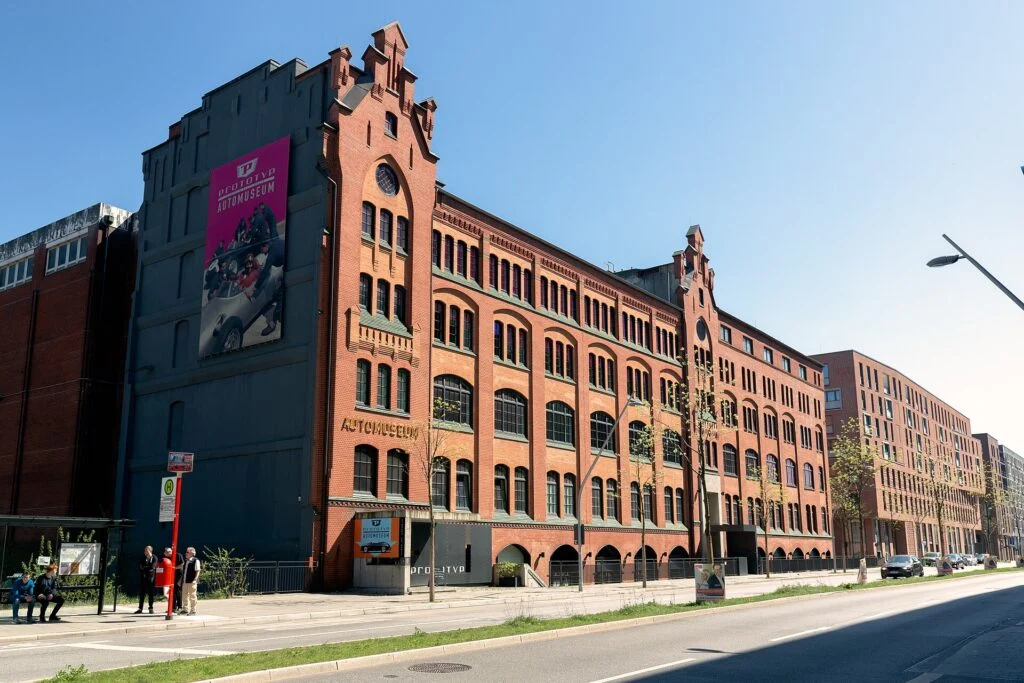
The Prototyp Museum is housed within an industrial-style venue that reflects its thematic emphasis on engineering and manufacturing. Its location in Hamburg places it within a city known for its port and industrial activity, though the museum itself does not rest directly on the waterfront or in the central tourist district. This setting may require some effort to reach by public transport or car, depending on one’s accommodations, but it also situates the museum away from crowds, which can create a quieter experience for focused visitors.
The exhibition spaces balance openness with intimacy, allowing close-up views of objects without sacrificing the contextual storytelling that aids understanding. The interior avoids overly stylized presentation in favor of straightforward displays paired with thoughtful explanations on panels and placards. The atmosphere supports an educational rather than entertainment-driven visit, underscoring the museum’s specialized mission.
Natural light and the utilitarian architectural elements of the building contribute to a sense of authenticity—echoing environments where original prototypes might have been developed or displayed historically. For those interested in architectural context, the structure itself serves as a modest but fitting backdrop to the vehicles and associated materials.
Practical Information
Before planning a visit to the Prototyp Museum, prospective visitors should consult the official museum website to verify current opening hours, ticketing policies, and any visitor requirements. Such details can vary seasonally or due to temporary exhibitions, public health measures, or maintenance schedules.
While the museum is likely to appeal to a specialized audience, information about visitor facilities is best confirmed in advance. This includes amenities such as parking availability, accessibility accommodations, guided tours, or audio guides if these are important to individual needs.
The museum’s smaller scale compared to larger automotive or transport museums means that while it might not support large crowds or offer extensive visitor services, it often provides a more focused exploration of its subject. Planning a visit to coincide with less busy periods may provide a more relaxed experience, particularly for those wishing to examine details thoroughly or spend time reading accompanying materials.
Why Visit
The Prototyp Museum offers a distinctive perspective on automotive history that differs significantly from museums showcasing finished, iconic production models or racing legends. It invites visitors to engage with the developmental stages of vehicles, shedding light on experimentation and innovation otherwise overshadowed by mass-market success stories.
Visitors interested in the technical process of vehicle creation, the challenges of design, and the evolution of automotive engineering will find the exhibitions informative and thoughtfully presented. The museum’s emphasis on prototypes provides a rare glimpse into the often unseen or underappreciated phases of automotive progress.
Its location in Hamburg links the museum to a city with a meaningful industrial background, though the museum itself is not integrated within a large industrial complex or historic factory setting. Nonetheless, the building and exhibit design reinforce a sense of practical craftsmanship.
For those approaching the museum with limited automotive knowledge or less interest in engineering specifics, the experience might be more challenging. The exhibits require attentiveness and curiosity to appreciate fully, as the presentations eschew simplified storytelling for a more nuanced exploration of technical development.
In sum, the Prototyp Museum suits visitors seeking a deeper look at automotive innovation, particularly within a German context that stresses engineering heritage. It represents an interesting stop for enthusiasts and researchers curious about the formative stages of vehicle design, while offering a quieter and more focused alternative to the larger automotive museums found in other cities. Checking current visitor information on the official website remains essential for a smooth visit.