PS.SPEICHER
Automobile Museums · Einbeck, Germany. PS.SPEICHER is a museum dedicated to the history and culture of mobility, with a particular focus on two- and four-wheeled vehicles. Located in Einbeck, Germany, it traces the development of motorcycles and automobiles from…
Best forMuseum lovers, culture travelers, first-time visitors
Setting / nearbyEinbeck, Germany
Overview
PS.SPEICHER is a museum dedicated to the history and culture of mobility, with a particular focus on two- and four-wheeled vehicles. Located in Einbeck, Germany, it traces the development of motorcycles and automobiles from their early origins through to more recent decades. The institution reflects the significance of personal and public transport in shaping modern life and technological progress. Rather than presenting mobility only as mechanical inventions, PS.SPEICHER explores the narratives and contexts surrounding these vehicles, including their design, manufacture, and social impact.
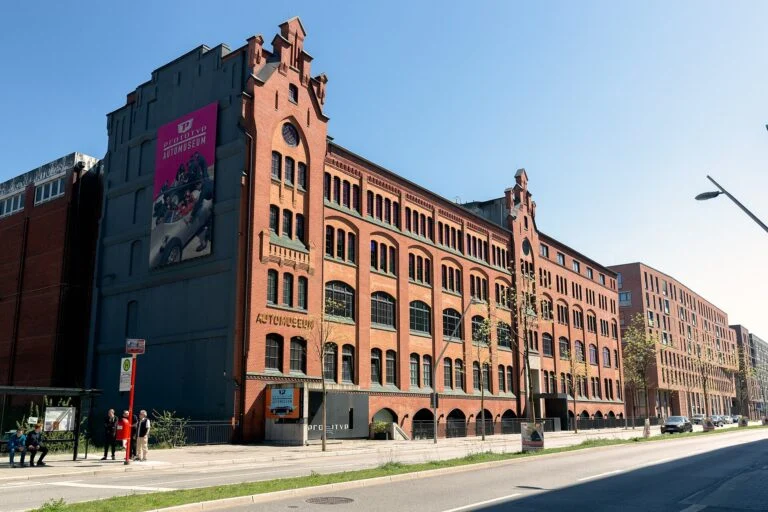
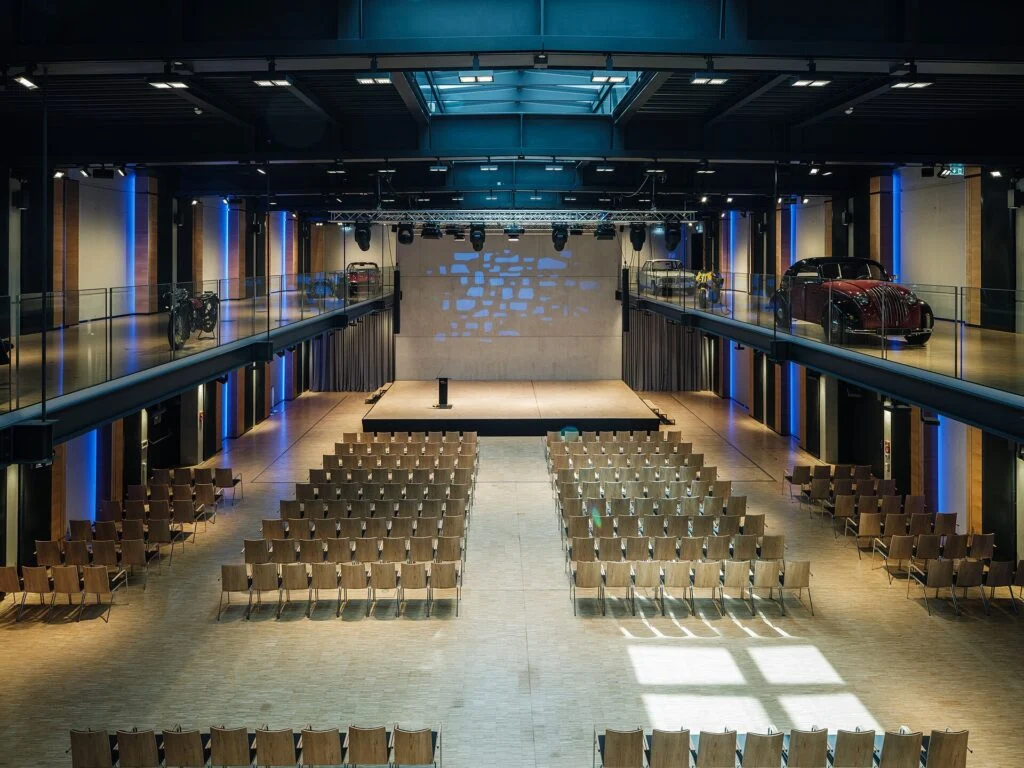
The museum is housed in a former granary that has been adaptively reused to suit the exhibition needs while retaining an industrial character. This setting supports the thematic focus on technology and production while grounding the visitor’s experience in a local architectural heritage. PS.SPEICHER is not a general automobile museum but one with a strong emphasis on historical depth and the evolution of transport culture in Germany and beyond. It also serves as a repository for a large private collection that was assembled with an eye to completeness and detail.
Collection Highlights
The core of the museum’s collection is its extensive range of motorcycles and cars, spanning more than a century. Visitors can expect to see some of the earliest motorcycles, including models that date back to pre-World War I, alongside a varied selection of post-war motorcycles and mopeds. These exhibit the technological innovations and stylistic changes that influenced motorcycle design across different periods.
In the automobile collection, the emphasis lies on classic and historical vehicles rather than contemporary or luxury brands alone. The exhibits illustrate key milestones in automotive history, like the transition from steam and early combustion engines to mass production vehicles accessible to a broader public. The museum includes examples from prominent German manufacturers as well as other European makes, giving some comparative insight into the regional auto industry’s development.
What distinguishes PS.SPEICHER from many other vehicle museums is the palpable archival and documentary approach. Many exhibits are presented alongside historical workshop tools, technical drawings, and publicity materials that provide context. This supports an understanding not only of the vehicles themselves but also of the craftsmanship, industry networks, and commercial strategies involved.
Building and Setting
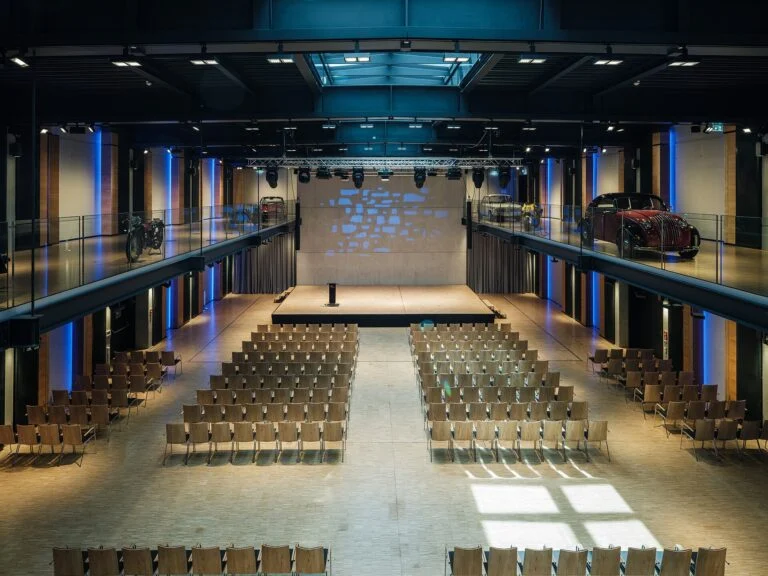
PS.SPEICHER occupies a large brick granary building originally constructed in the late 19th century. The building’s conversion maintains much of its industrial character, including tall interior spaces, exposed brick walls, and visible structural elements like girders. This raw setting contrasts with and highlights the mechanical intricacy of the vehicles on display.
The museum is situated in Einbeck, a town known for its historic medieval center and brewing traditions. While PS.SPEICHER is not located amid major tourist hubs, its setting in a town with a distinctive local history adds a layer of interest for those inclined to explore the surrounding area. The position within the building allows visitors to move vertically through different collection floors, which are organized thematically and chronologically, guiding visitors through the evolution of motorized mobility.
Although a reuse of a historic structure, the museum’s interior layout is designed to balance the preservation of architectural features with modern exhibition standards. Large windows admit natural light without overwhelming the displays, and the open floor plan facilitates clear sight lines across the vehicles. The museum is not an overly large institution, so it can be explored in a focused visit without becoming overwhelming.
Practical Information
For up-to-date details about opening times, admission, guided tours, audio guides, accessibility, cafeteria services, parking, and special events, potential visitors should consult PS.SPEICHER’s official website or contact the museum directly. This is advisable since hours and visitor services may vary seasonally or due to special circumstances.
The museum’s size and presentation style should suit a broad range of visitors, including families with older children, vehicle enthusiasts, local history researchers, and those interested in design and industrial culture. It is worth noting that the museum includes several floors linked by stairs, so anyone with limited mobility should inquire about accessibility options before visiting.
For non-German speakers, some exhibit texts and materials may be primarily in German, although key information in English or other languages might be available depending on the museum’s current arrangements. Visitors interested in detailed technical descriptions or historical research may find it helpful to plan accordingly.
Why Visit
PS.SPEICHER offers a focused exploration of the history of motorized transport that can be appreciated beyond casual interest in cars or motorcycles. Its detailed and documentary approach allows visitors to understand machines as products of culture, technology, and industrial techniques rather than mere collectibles. For anyone intrigued by the interplay between technology and everyday life, the museum delivers relevant content presented in an accessible form.
The museum’s collection provides a tangible link to the past, showing how different generations approached mobility challenges and how vehicle design evolved in relation to social needs and technological possibilities. It is informative for visitors who favor historical perspective over spectacle or contemporary automotive trends.
Furthermore, the building itself helps frame the visit. The granary’s industrial architecture creates a thoughtful environment in which visitors see mobility artifacts housed in a space originally designed for storage and commerce, reminding one of the economic cycles and craftsmanship behind transport industries.
On the other hand, visitors looking for a broad automotive overview including supercar culture, racing history, or large-scale industrial history might find other specialized museums complement PS.SPEICHER’s collection better. This museum’s strength is its archival depth and narrative focus rather than size or curatorial breadth.
In summary, PS.SPEICHER is suited for visitors who appreciate a blend of technology, history, and design with a particular interest in the evolution of personal and commercial vehicles. It invites reflection on how tools of transport intersect with daily life, social change, and regional heritage. Those prepared to engage with historical context and technical detail will find much to consider and enjoy.