International Maritime Museum Hamburg
Maritime Museums · Hamburg, Germany. The International Maritime Museum Hamburg is a maritime museum dedicated to the history and culture of seafaring, shipbuilding, and naval trade. Located in Hamburg, Germany’s major port city, the museum offers a detailed examination…
Best forMaritime history, ship lovers, port culture
Setting / nearbyHamburg, Germany
Overview
The International Maritime Museum Hamburg is a maritime museum dedicated to the history and culture of seafaring, shipbuilding, and naval trade. Located in Hamburg, Germany’s major port city, the museum offers a detailed examination of the relationship between humans and the sea over several centuries. Its collections explore many aspects of maritime life, from commercial shipping and naval warfare to exploration and recreational boating.
This museum appeals to a broad range of visitors. Enthusiasts of maritime history will find a rich source of material culture and historical documentation. Those interested in technological changes in ship design and navigation will encounter detailed ship models and plans. Additionally, the museum provides context for Hamburg’s significance as a port city and its connections to global maritime networks. While the museum focusses primarily on maritime history, it also helps to demonstrate how the sea has shaped social, economic, and cultural developments in Europe and beyond.
Collection Highlights
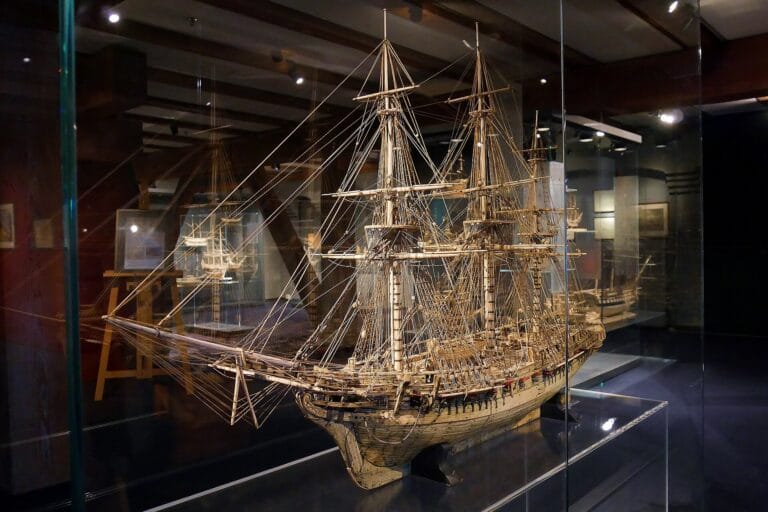
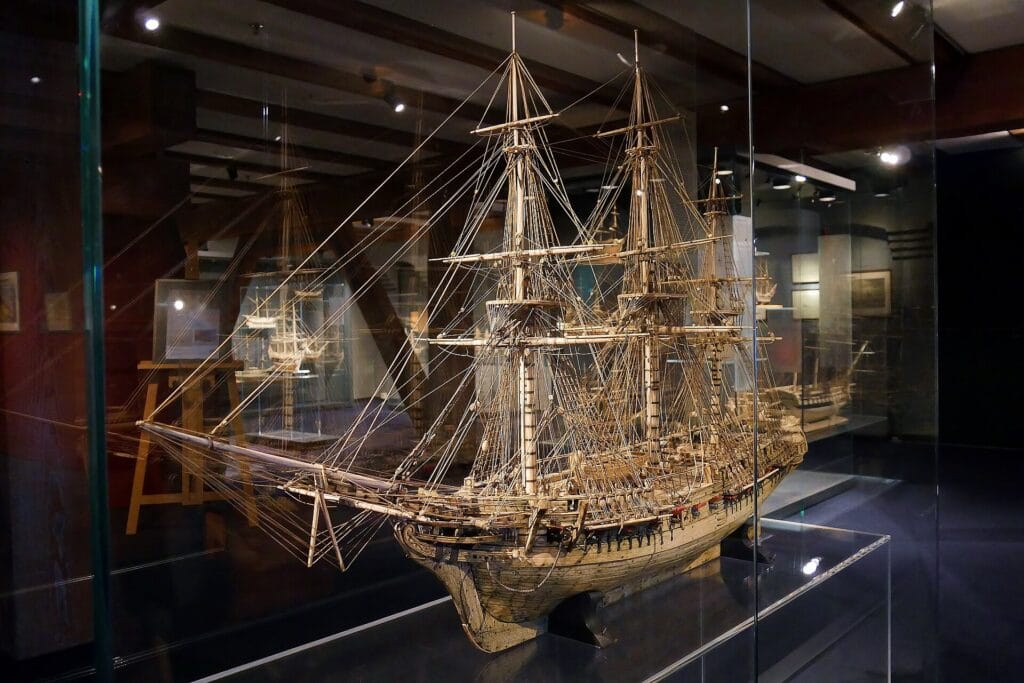
The museum is best known for its comprehensive collection of ship models that cover a wide array of vessels from various centuries and regions. These models range from small fishing boats to large sailing ships and modern steam and diesel-powered vessels. Display cases house models crafted with precision and often annotated with historical details, giving visitors insight into ship construction and function.
Alongside the ship models, the collection includes navigational instruments, maps, paintings, and photographs that document maritime exploration and port life. Some exhibits contain original artifacts such as ship fittings, figureheads, and sailors’ personal belongings. The museum also collects archival materials including ship plans, logbooks, and documents dating back to the age of sail and onward.
One particular strength of the collection is its focus on German and Hamburg-related maritime history. This includes displays on the Hanseatic League, Hamburg’s rise as a trading hub, and local shipyards. However, the museum takes an international perspective by showing how Hamburg interacted with global maritime routes and by including objects connected to various naval powers and merchant fleets.
Naval history is another important conservation area. Visitors can learn about the evolution of naval warfare, from wooden warships with cannon to steel battleships and submarines. The museum includes information on notable naval conflicts and technological innovations that influenced sea power.
The museum also addresses aspects of maritime culture and daily life, such as the social conditions of sailors, recreational boating, and maritime art. Exhibits illustrate the diversity of experiences connected to the sea, covering professional, commercial, and leisure activities.
Building and Setting
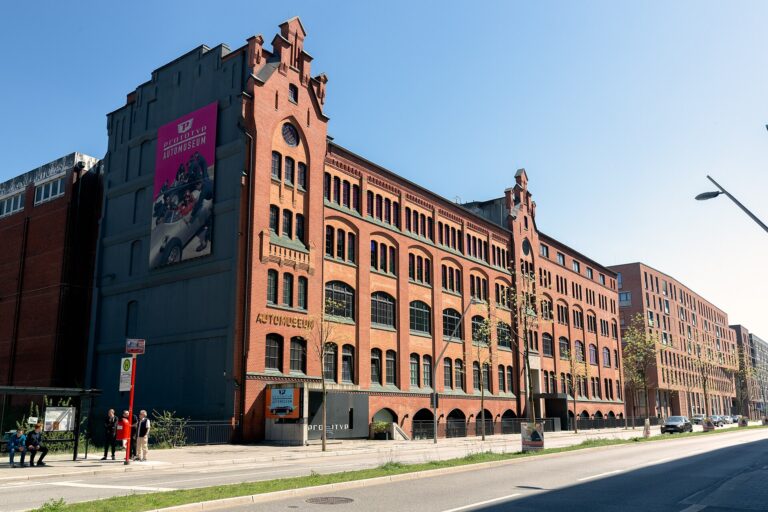
The museum is housed in a converted historic warehouse in Hamburg’s HafenCity district, an area with a strong maritime heritage. The building itself dates from the early 20th century and reflects Hamburg’s trading and shipping history. Its large brick structure and multiple floors provide ample space for displaying the extensive collections.
The setting in HafenCity places the museum close to the waterfront, offering a fitting backdrop for a maritime museum. Visitors approaching the museum can appreciate Hamburg’s port environment, with cranes, container ships, and harbor activity visible in the vicinity. This proximity to the working port underscores the ongoing importance of maritime commerce to the city.
Inside, the spatial arrangement follows a thematic approach, with different floors dedicated to various aspects of maritime history and technology. The former warehouse’s open interior allows for tall exhibit cases and dramatic presentations, such as large ship models suspended from the ceiling. The building’s multiple levels and some narrow staircases may require visitors to plan for mobility considerations.
Practical Information
Before planning a visit, prospective guests should consult the museum’s official website for the most current information on opening hours, ticket options, and any special protocols. Details such as guided tours, audio guides, temporary exhibitions, and educational programs may vary and are best confirmed directly.
The museum’s location in the HafenCity area means it is accessible by public transport, though the exact routes and connections should be checked in advance. Information on parking facilities and amenities within or near the museum can be found on the official site or through local city resources.
Visitors interested in particular collections, research opportunities, or events should consider contacting the museum ahead of time. This is especially advisable for groups, scholars, or educational visits that might require special access or arrangements.
The museum’s layout includes several floors, so visitors should be prepared for some stair climbing. Visitors with mobility restrictions may want to inquire about elevator availability and overall accessibility as these can vary in historic buildings.
Why Visit
The International Maritime Museum Hamburg offers an in-depth look at maritime history through a variety of artifacts and interpretive displays. It is especially valuable for those keen on ship design and naval history, as the collection is extensive and well-curated in these areas. Rather than focusing narrowly on one period or theme, the museum provides a wide-ranging survey that connects local history with international maritime developments.
Visitors gain an understanding of Hamburg’s maritime identity, seeing how the city’s port shaped its economy and culture. The exhibits invite reflection on the human efforts behind seafaring, from craftsmen and sailors to merchants and naval officers. This human dimension gives the museum’s historical narratives a personal and practical grounding.
At the same time, the museum’s naval and commercial collections shed light on the technological and strategic aspects of maritime life. This makes it potentially interesting not only for civilian history enthusiasts but also for those interested in maritime technology and global trade history.
While it does not focus heavily on interactive or multimedia elements, the museum’s rich material culture and well-documented exhibits can satisfy visitors looking for substance over spectacle. It is suitable for older children and adults. However, visitors with only a casual interest in maritime affairs might find some sections specialized or detailed.
In summary, the International Maritime Museum Hamburg fits best into an itinerary for visitors who appreciate maritime history, shipbuilding, and port heritage. It complements a visit to Hamburg by anchoring the city’s current role in global shipping within a well-preserved historical narrative. For those willing to engage with detailed exhibits and follow a historical storyline across multiple floors, it offers a rewarding experience. Potential visitors should plan their visit according to current information and consider their own interests in maritime themes to make the most of this specialized museum.