National Roman Museum
Archaeology Museums · Rome, Italy. The National Roman Museum (Museo Nazionale Romano) in Rome, Italy, is a primary archaeological museum dedicated to the art, artifacts, and history of Ancient Rome. Established in the late 19th century, the institution aims…
Best forMuseum lovers, culture travelers, first-time visitors
Setting / nearbyRome, Italy
Overview
The National Roman Museum (Museo Nazionale Romano) in Rome, Italy, is a primary archaeological museum dedicated to the art, artifacts, and history of Ancient Rome. Established in the late 19th century, the institution aims to collect, preserve, and display a broad range of material culture from Rome’s extensive past, primarily focusing on the Republican, Imperial, and Late Antique periods. The museum contributes to the understanding of the city’s archaeological heritage through its multiple sites spread across Rome, each covering different facets of the ancient world.
Rather than concentrating on a single location, the National Roman Museum consists of several distinct branches housed in historic buildings. This decentralized structure allows the museum to contextualize its collections within various parts of the city, offering visitors a more integrated sense of Roman history. It is especially important for those interested in archaeology, ancient art, and Roman daily life. The museum’s role extends beyond display, involving ongoing research and conservation in Italian archaeology and Roman studies.
Collection Highlights
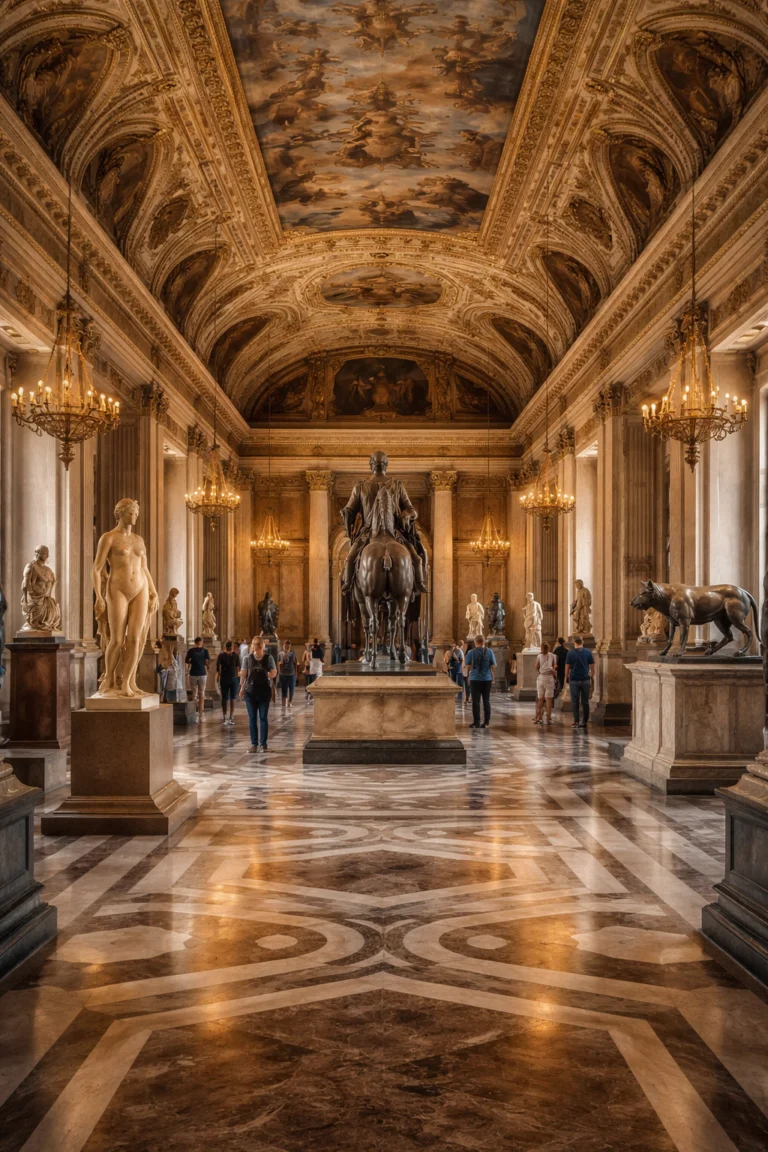
The museum’s strengths lie in its diverse collection of Roman artifacts, spanning sculpture, frescoes, mosaics, epigraphy, and everyday objects. Its sculpture collection is significant, including portrait busts, statues, and reliefs that represent emperors, gods, and ordinary citizens. These works often come from public buildings or private residences, providing a window into Roman aesthetics and social values.
Another important aspect of the collection comprises frescoes and mosaics from Roman houses and baths. These decorative elements help illustrate ancient Roman interior decoration styles and urban living conditions. Visitors can see examples of mythological scenes, landscapes, and geometric designs, which reveal both artistic techniques and cultural symbolism.
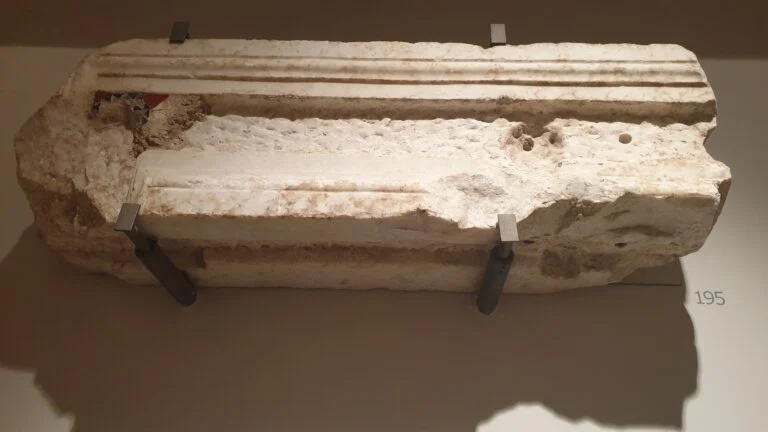
Epigraphic material, such as inscriptions on stone and marble, adds an informative layer by shedding light on civic life, religious dedications, and personal commemorations. Such objects are critical for historians working to reconstruct the social and political fabric of Rome.
The museum also holds many artifacts related to Roman daily life, including ceramics, glassware, jewelry, tools, and coins. These items contribute to an understanding of economic activities, trade, fashion, and domestic routines in ancient Rome. Together, the varied objects on display paint a complex and detailed picture of Roman civilization from elite to popular culture.
Some parts of the collection were excavated in Rome’s historic center and surrounding areas, and others were collected from the Roman Forum, Baths of Diocletian, and other significant ancient sites linked to the city’s development. Due to the museum’s layered history and diverse holdings, the scope can sometimes feel broad, which may require visitors to allocate time selectively based on their specific interests.
Building and Setting
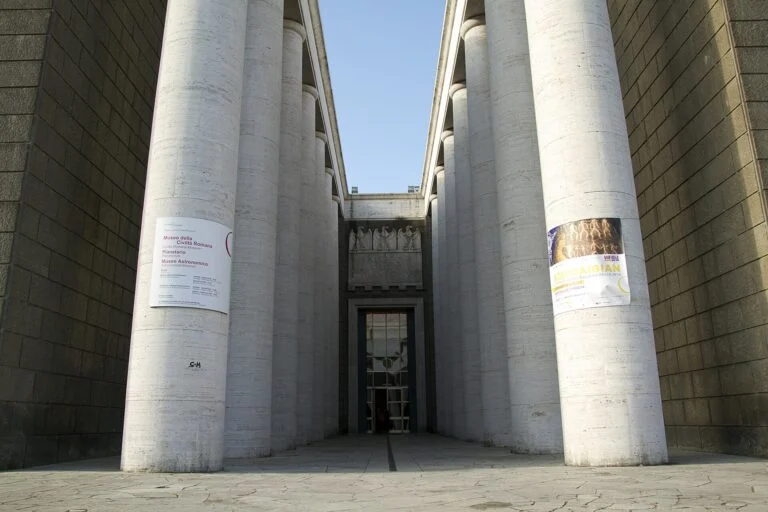
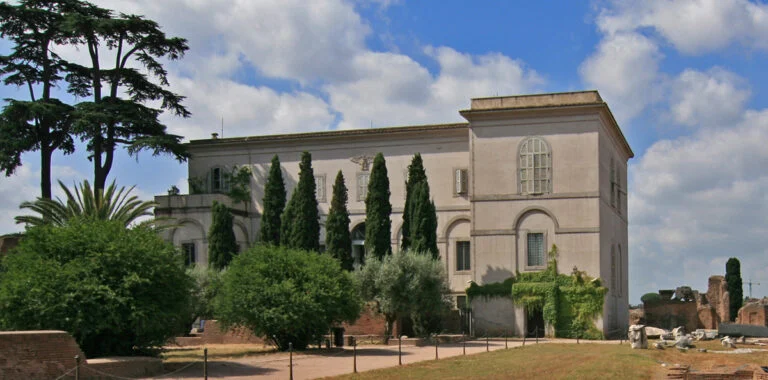
The National Roman Museum operates through multiple sites, notably Palazzo Massimo alle Terme, Palazzo Altemps, Crypta Balbi, and the Baths of Diocletian, each housed in architecturally notable buildings with their own historical importance.
Palazzo Massimo alle Terme, near Rome’s main train station, is home to the bulk of the statue collection, mosaics, and frescoes. The 19th-century palace itself is impressive, designed with large, light-filled galleries suitable for the display of its vast sculptural holdings, and retains elegant period features that blend with the ancient artifacts on display.
Palazzo Altemps hosts important classical sculpture, focusing more on ancient Greek and Roman statues, including copies of Greek originals and works from Roman collections. The Renaissance palace evokes aristocratic Rome, giving visitors a contrast between later architectural periods and the antique art housed inside.
The Crypta Balbi is unique in that it combines museum display with an archaeological site focus, showing the layers of urban development through excavation remains and more recent finds. It offers a more archaeological and historical overview differing somewhat from the statuary emphasis seen elsewhere.
The Baths of Diocletian, large Roman public bath remains, support part of the museum's administration and exhibition spaces. This site connects to the scale and grandeur of imperial Rome and often features exhibits that complement the bath complex’s architectural significance.
This distributed nature makes the museum less straightforward than a single building layout, requiring some planning for meaningful visits. Its multiple locations, however, provide distinct contexts for understanding different aspects of Roman history and archaeology, embedded within the urban fabric of Rome.
Practical Information
Visitors interested in the National Roman Museum should be prepared for navigating between its different sites, which are not immediately adjacent. Checking the museum’s official website before visiting is advisable to confirm current opening hours, admission policies, special exhibitions, and any requirements related to advance booking.
Since the museum encompasses a variety of archaeological and art collections, the visitor experience may change depending on which location they choose or plan to see. Those focused on sculpture and fine art might prioritize Palazzo Massimo and Palazzo Altemps, while people more interested in urban archaeology might find Crypta Balbi more rewarding.
Be aware that the museum’s spaces can become crowded, especially during peak tourist seasons, given their proximity to major transport hubs and popular city attractions. Planning visits during off-peak hours or days might offer a quieter, more leisurely experience.
Because the buildings vary in age and design, accessibility may differ between sites. Prospective visitors with mobility concerns should confirm accessibility options through official sources.
Why Visit
The National Roman Museum presents an extensive view of Roman material culture that ranges from monumental sculpture to everyday objects, making it valuable to anyone curious about Rome’s past beyond the typical ruins seen across the city. It offers more detailed archaeological and historical depth than many standard archaeological collections.
Its multiple locations provide tangible links between ancient artifacts and the modern city, hosting collections in settings that complement their original use or discovery context. For those with an interest in the ancient world, Roman society, or the development of classical art, this museum offers relevant and substantial resources.
At the same time, visitors seeking a concise, single-location experience may find the museum’s scattered nature complex to manage. Additionally, the focus on ancient material means that visitors should expect limited content devoted to later historical periods or other parts of Italy’s vast cultural history.
In sum, the National Roman Museum serves as a comprehensive, archaeology-centered institution in Rome that highlights the city’s role as a capital of an ancient empire through its rich collections. It demands some preparation and selectivity from visitors to align the experience with their interests, but rewards patience with a significant inventory of Roman art and archaeology.
For up-to-date information on exhibitions, opening times, admission rules, and visitor services, prospective guests should consult the official museum website ahead of planning their visit.