Museo di Capodimonte
Art Museums · Naples, Italy. The Museo di Capodimonte in Naples stands as an important art museum with deep historical roots and extensive collections spanning several centuries. It occupies a former royal palace set on a hill overlooking the…
Best forMuseum lovers, culture travelers, first-time visitors
Setting / nearbyNaples, Italy
Overview
The Museo di Capodimonte in Naples stands as an important art museum with deep historical roots and extensive collections spanning several centuries. It occupies a former royal palace set on a hill overlooking the city, a location offering notable views as well as a sense of the place’s aristocratic past. Originally designed as a palace and hunting lodge for the Bourbon kings of Naples, the building was transformed into a public museum in the 20th century. Today, the Museo di Capodimonte combines the grandeur of its architecture with a significant assembly of artworks, reflecting both local Neapolitan heritage and wider European influences. The museum is often associated with the Farnese Collection, brought to Naples in the 18th century, making it a repository of important Renaissance and Baroque paintings alongside decorative arts and archaeological finds.
Collection Highlights
The core of the Museo di Capodimonte’s collection is its impressive range of paintings. Visitors can expect to encounter works by many masters of Italian Renaissance and Baroque art. Among the key figures represented are Titian, Caravaggio, and El Greco. The presence of such artists situates the museum as a critical repository for the study and enjoyment of painting from these periods. The Farnese Collection contributes substantially to this, including portraits, religious scenes, and mythological subjects that illustrate the tastes and patronage of one of Italy’s notable aristocratic families.
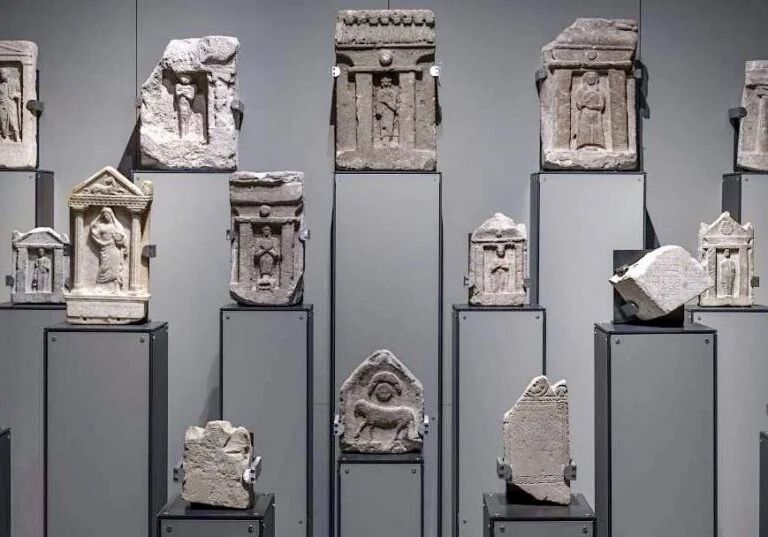
Beyond paintings, the museum includes important holdings of decorative arts, with finely crafted ceramics, tapestries, and furniture reflecting the material culture of the Neapolitan court. The Capodimonte porcelain factory, established in the 18th century nearby, is closely connected to the museum, and its products are part of the collection. Additionally, the museum features important archaeological artifacts, including ancient Roman and Greek objects, highlighting the region’s long historical continuum. This combination of fine and decorative arts with archaeological materials provides a layered experience, showing artistic production alongside historical context.
Building and Setting
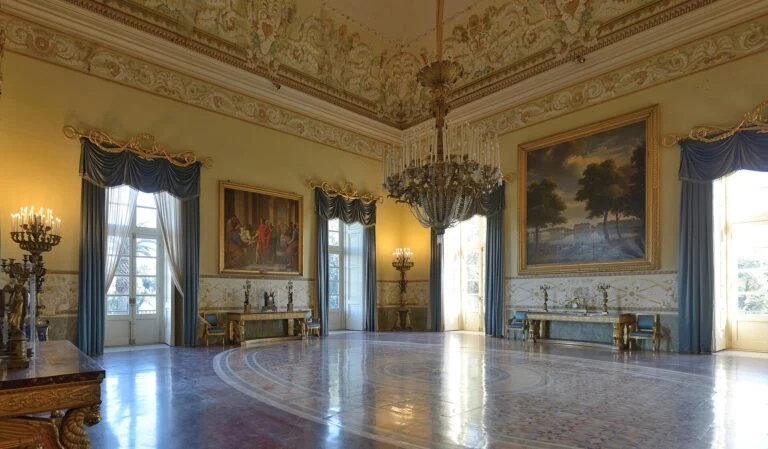
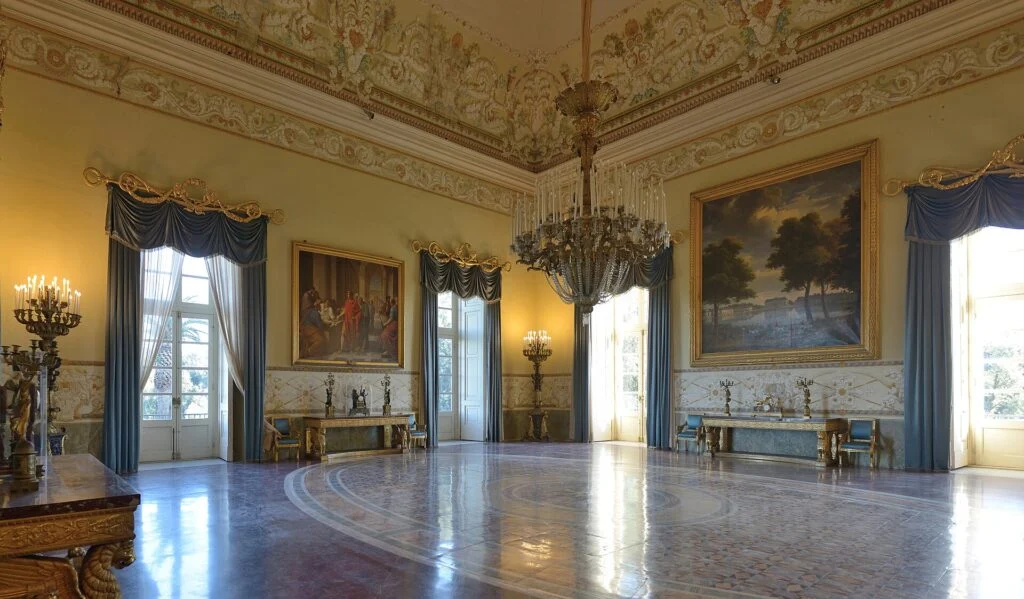
The Museo di Capodimonte occupies the Palace of Capodimonte, an imposing 18th-century Bourbon palace that was originally conceived as a hunting lodge and summer residence. The building itself is a key element of the visitor experience, presenting a stately and formal example of royal architecture designed to impress. Interiors maintain some of their original grandeur, offering a setting that complements the art collections. The palace sits within a large park, the Bosco di Capodimonte, a wooded area that extends on the hill above Naples. This setting is slightly removed from the city’s downtown core, offering a quieter atmosphere and scenic views of Naples and Mount Vesuvius.
Visitors approach the museum through the grounds, which blend natural and cultural heritage. The layout encourages strolling before entering the galleries, although the hilltop location means some elevation changes are involved. The palace’s layout can be extensive but is generally straightforward to navigate. The museum’s presentation allows a sense of progression through art history as one visits room after room, framed by the palace’s refined architecture and decoration.
Practical Information
Before planning a visit to the Museo di Capodimonte, it is advisable to consult the museum’s official website to confirm opening hours, ticketing options, and any current visitor arrangements. Information on admission fees, reduced rates, or special exhibitions may vary over time, so checking ahead is recommended. The museum may have specific policies regarding photography, group visits, and access which visitors should be aware of. Accessibility for individuals with mobility challenges should be considered, given the site’s historic character and hilltop setting; detailed information can usually be found through official channels.
Visitors should anticipate that the museum covers a significant area with many rooms and artworks, so comfortable footwear and time for exploration are sensible. Facilities such as cloakrooms or luggage storage might be available but should be verified. The surrounding park offers opportunities for rest and outdoor enjoyment, which can be a valuable complement to a longer visit inside. Other visitor services like cafés or shops may exist, but precise details should be confirmed in advance to plan accordingly.
Why Visit
The Museo di Capodimonte holds a distinctive position in Naples due to its combination of historical setting and the depth of its art collection. For those interested in Italian painting, the museum offers direct access to masterpieces by well-known artists and an opportunity to see works within a palace context that reflects their historical world. Far from being solely about the paintings, the museum connects these artworks with the decorative arts and archaeological pieces that enrich understanding of the cultural environment in which they were created or collected.
The location on a hill overlooking Naples also makes visiting Capodimonte a chance to experience a quieter, expansive environment partly outside the dense urban fabric. This can appeal to visitors who want to combine cultural engagement with a measured pace and natural surroundings. However, because the museum is somewhat outside the main historic center, some travelers may need to plan transportation carefully.
Capodimonte is particularly suitable for visitors with a genuine interest in art history, royal collecting practices, and Italy’s artistic heritage. While it may not offer extensive contemporary art or interactive exhibits found in other institutions, its strengths lie in the quality and range of historic artworks presented in a setting that is itself part of the story. For those willing to spend time exploring, the museum rewards with insights into Naples’s layered cultural identity and the broader narratives of European art.
In summary, the Museo di Capodimonte is a substantial art museum housed within a former royal palace, known for its Renaissance and Baroque paintings as well as its decorative and archaeological collections. Its hilltop setting and parkland contribute to the visitor experience, making it a place suited to those interested in classical fine arts and historic environments. The museum serves as an important cultural institution within Naples, offering a detailed glimpse into regional and European artistic traditions. Prospective visitors should prepare by consulting official sources for current operational details to plan their visit smoothly.