Beijing Ancient Architecture Museum Review
Architecture Museums · Beijing, China. The Beijing Ancient Architecture Museum is situated in the capital of China, a city steeped in architectural history ranging from imperial palaces to classical courtyard homes. Established with the intention of preserving and interpreting…
Architecture Museums · Beijing, China. The Beijing Ancient Architecture Museum is situated in the capital of China, a city steeped in architectural history ranging from imperial palaces to classical courtyard homes. Established with the intention of preserving and interpreting…
Best forDesign, architecture, urban culture
Review focusArchitecture, design context, and visitor planning
Historical Context
The Beijing Ancient Architecture Museum is situated in the capital of China, a city steeped in architectural history ranging from imperial palaces to classical courtyard homes. Established with the intention of preserving and interpreting Chinese architectural heritage, this museum provides a focused destination for those interested in traditional structures and construction techniques that span centuries. It serves as a repository for models, drawings, artifacts, and documentation related to the evolution of Chinese architecture, highlighting its diversity and cultural significance. Beijing itself is home to some of the most renowned ancient buildings globally, such as the Forbidden City and the Temple of Heaven, and the museum ties into this broader architectural narrative by offering a curated, concentrated examination of these types of structures. Through its collections, it sheds light on issues such as spatial arrangement, building materials, symbolic design elements, and construction methods that were historically favored in China. In this way, the museum connects the historical legacy of Chinese architecture with educational efforts that seek to deepen public knowledge about traditional craftsmanship and cultural heritage in the face of modern urban development.
What You See on Arrival
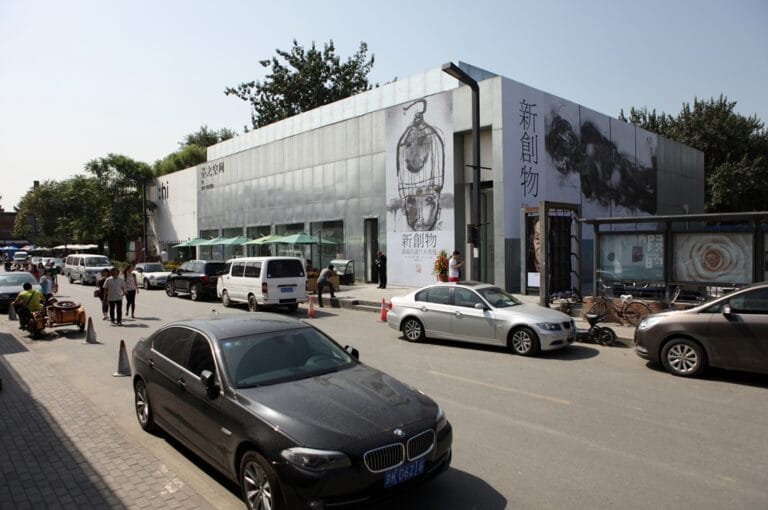
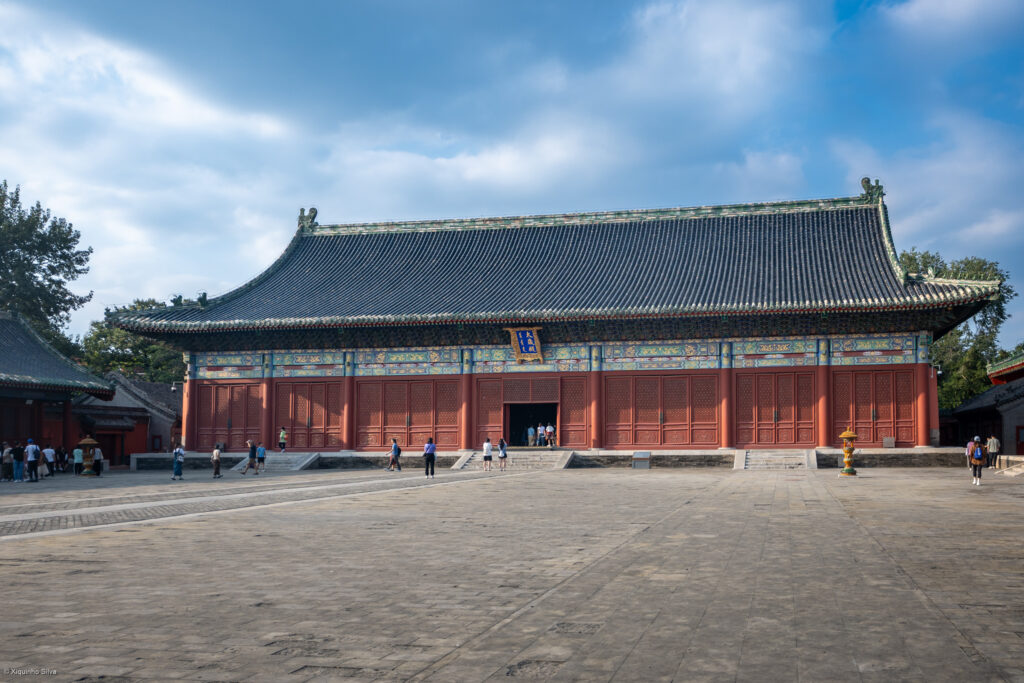
Visitors approaching the Beijing Ancient Architecture Museum first encounter an environment designed to set the tone for the themes inside. The museum grounds are typically arranged to reflect the architectural vernacular it celebrates—often including outdoor exhibits or reconstructions that resemble traditional courtyard-style buildings. This outdoor component allows visitors to immediately sense the scale and style characteristic of classical Chinese architecture before entering the exhibition spaces. The museum’s exterior architecture generally echoes familiar aesthetics from historical periods it explores, fostering a clear identity. Signage and introductory materials near the entrance tend to provide an overview of the museum’s mission and the key subject areas covered by its exhibitions. Overall, the initial impression is one that emphasizes cultural preservation and architectural study, inviting visitors to step into a space where the craftsmanship of ancient China is foregrounded.
Highlights and Key Exhibitions
Inside, the Beijing Ancient Architecture Museum presents its collection through several comprehensive displays focused on architectural elements and construction techniques unique to Chinese tradition. One of the main attractions is its intricate scale models of traditional buildings, which are typically detailed enough to reveal structural systems such as timber frameworks, bracket sets known as dougong, and tiered roof designs. These models articulate the harmony and balance prized in Chinese architectural philosophy.
The museum also displays historic construction materials and tools, highlighting how wood, stone, and ceramics were used in building practices. Accompanying textual and visual explanations outline how artisans achieved both stability and aesthetic sophistication. In addition, the museum frequently includes examples of decorative motifs common in different dynastic periods, such as dragon carvings, tiled roofs, and painted embellishments, allowing visitors to appreciate both form and function.
A significant portion of the museum’s focus is on courtyard houses (siheyuan), which are key to understanding residential architecture in Beijing and other parts of northern China. Exhibits often reconstruct these spaces to demonstrate how they facilitated family life and social rituals across generations. Photographs, architectural drawings, and interpretative panels provide context about spatial hierarchy, cultural symbolism, and the relationship between built space and lifestyle.
For those interested in imperial architecture, the museum offers materials explaining how the principles seen in palace structures influenced broader architectural traditions. This includes references to famous Beijing landmarks, although the museum itself does not function as a documentation center for those buildings. Instead, it acts more as a complement to such sites by exploring underlying design concepts and construction techniques.
Overall, the permanent collection balances technical architectural knowledge with a cultural narrative, underlining why these buildings endure as significant cultural artifacts. However, the focus remains predominantly on traditional and ancient architecture rather than contemporary or modern interpretations.
Visitor Experience
The Beijing Ancient Architecture Museum is likely best suited to visitors who have a specific interest in architecture, design, or Chinese cultural history. For those accustomed to architectural study, the museum’s detailed models and extensive documentation offer an informative and focused experience. The pacing inside tends to encourage careful observation rather than quick passage, as many exhibits require attention to detail to appreciate the craftsmanship and structural logic.
Interpretative materials are generally thorough, combining photographs, diagrams, and bilingual textual panels that support visitor understanding. However, the presentation style may feel somewhat academic or technical for audiences unfamiliar with architectural terminology. Casual visitors or families with young children might find some parts less engaging without supplementary guidance or interactive elements, which the museum does not heavily emphasize.
There is often a calm, contemplative atmosphere, with less emphasis on large crowds or multimedia engagement common in other museums. This can provide a quieter space for study but might also limit appeal to those seeking more dynamic or experiential exhibits.
The museum’s layout supports a chronological and thematic progression, allowing visitors to follow the development of architectural principles across time. This structured flow aids comprehension but also means the experience is relatively linear. Photography policies may be restricted in certain areas to protect delicate models and exhibits, so visitors should anticipate some limitations on imagery.
Tickets, Access, and Planning
Specific details regarding ticketing, opening hours, accessibility provisions, and available services should be confirmed on the museum’s official website before planning a visit. Given its location in Beijing and the focus on preservation, visitor numbers may be regulated to ensure the safety of collections and a controlled visitor experience. The museum’s physical setting in or near historic districts can influence access options, with public transportation typically the recommended means of arrival in a congested urban environment.
Because the museum specializes in traditional crafts and ancient architecture, visitors interested in these themes are advised to allow ample time to explore the exhibits thoroughly. Rushed visits will likely miss nuanced details essential to understanding the architectural concepts presented.
Final Verdict
The Beijing Ancient Architecture Museum occupies a distinctive role within the city’s cultural landscape by focusing on architectural history rather than the broader art or archaeological spectrum seen in other institutions. Its strength lies in the detailed presentation of construction methods, traditional spatial layouts, and stylistic evolution, appealing primarily to those with an architectural or scholarly interest. While the museum’s approach is detailed and often technical, it delivers clear insight into the artistry and ingenuity behind Chinese building traditions.
However, this focus also means the museum may have limited appeal for general audiences seeking a more varied or interactive museum experience. It is not designed as a family-focused attraction and lacks extensive multimedia or hands-on components that might engage visitors unfamiliar with architectural history. Likewise, those expecting coverage of modern architecture or contemporary reinterpretations will find the scope anchored firmly in the ancient and traditional.
For visitors with a dedicated interest in Chinese architecture or cultural heritage, especially those aware of Beijing’s monumental structural heritage, this museum serves as a valuable complement to on-site visits of historical buildings in the city. It provides educational depth and context that enhance appreciation of those landmarks by revealing construction details and stylistic principles that shaped them.
In conclusion, the Beijing Ancient Architecture Museum is a well-crafted institution offering focused content on Chinese architectural history but is best approached with specific interests in mind. Prospective visitors should plan accordingly, verifying practical details in advance, and prepare for a measured, detail-oriented exploration rather than an entertainment-driven visit. In doing so, they will gain clearer understanding of one of China’s key cultural traditions embodied in built form.