Beijing Ancient Architecture Museum
Architecture Museums · Beijing, China. The Beijing Ancient Architecture Museum is a specialized institution dedicated to the history, techniques, and aesthetics of traditional Chinese architecture. Located in Beijing, the museum explores the development of the city’s historic st…
Best forDesign, architecture, urban culture
Setting / nearbyBeijing, China
Overview
The Beijing Ancient Architecture Museum is a specialized institution dedicated to the history, techniques, and aesthetics of traditional Chinese architecture. Located in Beijing, the museum explores the development of the city’s historic structures and broader architectural styles that have shaped China’s built environment over centuries. Unlike museums focused on general history or fine arts, this museum concentrates on constructed heritage, exploring wooden framework, roof styles, decorative elements, and spatial principles central to ancient Chinese building culture.
Its location in Beijing is significant, given the city’s treasure trove of imperial palaces, temples, and courtyards that have influenced architectural traditions both in China and East Asia at large. Here, visitors can expect to find exhibits that illuminate how ancient artisans constructed buildings using traditional methods and materials — information that is sometimes overlooked in more general archaeological or art museums. This museum aims to appeal to those curious about architectural history, cultural heritage preservation, construction techniques, and traditional craftsmanship.
Collection Highlights
The museum’s collection is principally architectural, featuring models, building components, and explanatory materials rather than large numbers of freestanding artifacts. One of the key draws is the display of structural elements used in ancient Chinese buildings, such as elaborately carved brackets (dougong) which formed crucial support systems in roofs. These components exemplify the engineering ingenuity and decorative ambitions of builders from dynasties like the Tang, Song, and Ming periods.
Visitors may also encounter scale models of notable structures or reconstructions that demonstrate spatial arrangement, roof curvature, and construction sequences. These help translate what might otherwise be abstract technical details into a tangible understanding. Examples likely include models resembling prominent Beijing landmarks such as parts of the Forbidden City or traditional residential courtyards, although the exact subjects on display can vary.
Interspersed with the physical architecture are educational panels describing construction tools, materials like wood and tiles, and the social context influencing design choices. The museum may also cover topics such as feng shui principles and symbolic ornamentation, reflecting how buildings were integrated within cultural and philosophical systems.
While there aren’t extensive collections of paintings or sculptures here, the emphasis remains firmly on architecture as a physical, technical, and aesthetic practice. Those with interests in construction history, architectural conservation, or Chinese cultural traditions related to habitation might find the museum instructive.
Building and Setting
The Beijing Ancient Architecture Museum is situated in a part of the city that offers some connection to Beijing’s historical fabric, though it is not located within the Forbidden City or any of the major palace compounds themselves. The setting allows visitors to combine a visit here with exploration of other cultural institutions in Beijing.
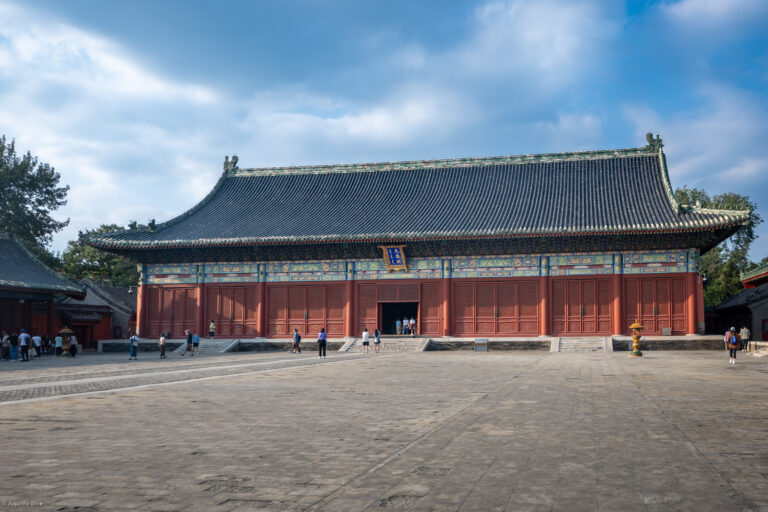
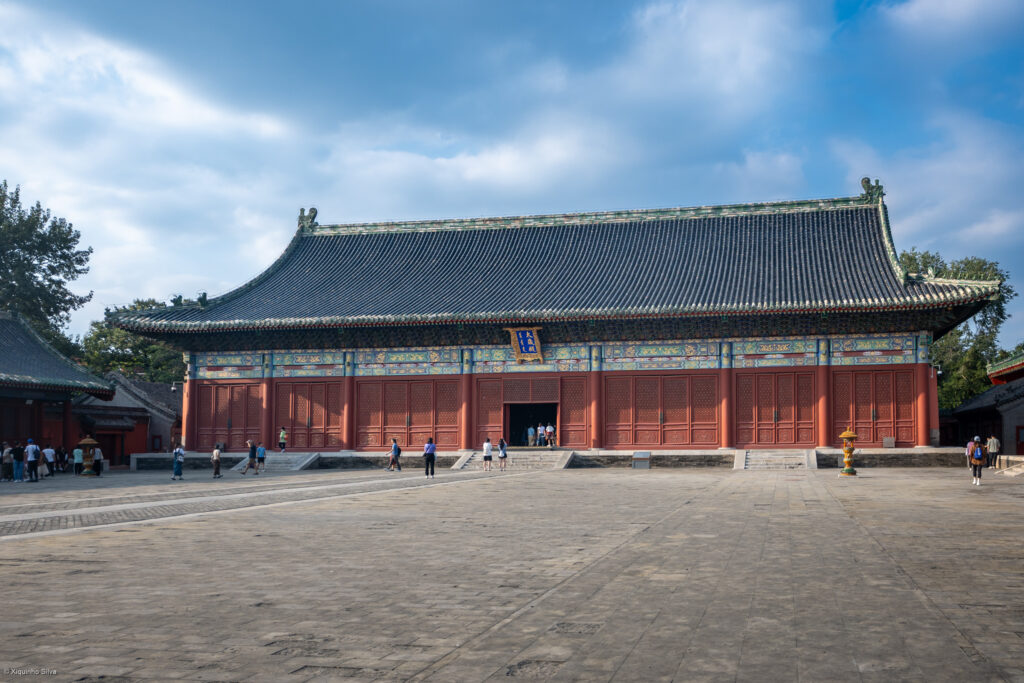
The museum’s building reflects a design sympathetic to traditional aesthetics without replicating any one ancient style completely. It aims to serve as a functional exhibition space while maintaining a visual link to the architectural heritage it discusses. The actual scale and layout of the building accommodate the display of large architectural models and structural elements, which require generous space and height.
Its location within Beijing is practical for visitors based in the city, but part of a broader network of museums and historical sites that explore Chinese history and culture in complementary ways. As with any specialized museum, visitors should be prepared for a focus on detailed architectural content rather than the mass appeal of large archaeological sites or art collections.
Practical Information
For current details such as opening hours, admission fees, and tour availability, visitors should consult the museum’s official website or contact official tourist information channels before their visit. Information regarding accessibility, special exhibitions, and potential guided tours is best verified in advance.
Because the museum deals with architectural history, visitors who prefer large-scale artworks or more visually dramatic displays might find it less engaging. Those particularly interested in the technical and cultural dimensions of architecture will likely gain more from the visit.
The museum typically requires a modest time commitment relative to larger institutions. The exhibit layout appears designed for a moderate-length visit, which can suit guests balancing multiple stops in Beijing’s extensive cultural itinerary.
Why Visit
The Beijing Ancient Architecture Museum offers a focused perspective on China’s architectural heritage that is not readily available elsewhere in the city’s crowded museum landscape. While Beijing provides numerous historic buildings and palaces to visit, this museum offers a chance to understand the design and construction principles behind those famous sites.
For people interested in the craftsmanship of building, traditional construction techniques, and the cultural values embedded in architecture, the museum serves an educational purpose. It reveals how ancient Chinese society linked art, science, and philosophy in the creation of structures that were not only functional but symbolic.
On the other hand, visitors seeking broad historical narratives or large-scale archaeological treasures might find the museum’s niche orientation somewhat limiting. The experience depends on an interest in architecture’s technical and cultural aspects, as opposed to general history or art.
In a city rich with monumental architectures such as the Temple of Heaven, the Summer Palace, and the Forbidden City, this museum complements experience by dissecting the architectural features and craftsmanship that make those landmarks possible. It is also relevant for those interested in how traditional architectural knowledge is preserved, studied, and conveyed in a modern urban context.
In summary, this museum is worthwhile for visitors wanting to deepen their understanding of ancient Chinese architectural artistry in a setting that facilitates study of construction techniques and architectural form. It bridges the gap between visiting architectural sites and appreciating the practical and symbolic dimensions of their creation. Those with an architectural or cultural curiosity will find it a distinctive addition to Beijing’s museum offerings.