Hong Kong Science Museum
Tickets & Tours
Compare ticket options and guided tours from trusted booking partners.
We may earn a commission if you book through these links.
Overview
The Hong Kong Science Museum is a specialized institution dedicated to presenting scientific knowledge and technology in ways that engage a broad audience. It sits within the urban fabric of Hong Kong, aiming to make science accessible and tangible for visitors with diverse backgrounds. The museum’s focus is on interactive displays and educational exhibits that offer insight into physical sciences, mechanics, and technological innovation. Unlike purely academic or research-oriented museums, this museum is designed with a hands-on approach, seeking to encourage curiosity and a practical understanding of scientific principles.
Collection Highlights
The museum's collection centers on demonstrating scientific phenomena through practical experiments and interactive models. A particularly notable feature is a long-standing exhibit of a sizable functional model—a giant egg-shaped gyroscope—offering a visually and physically engaging demonstration of balance, angular momentum, and gyroscopic effects. Such exhibits underline the museum’s effort to embody scientific concepts in physical, often kinetic installations.
Other parts of the collection include exhibits on light and sound, electricity and magnetism, the mechanics of motion, and human biology. The emphasis tends to be on phenomena visitors can observe or interact with, rather than static displays of scientific instruments or archival material. This approach is conducive to families and learners who prefer an experience that stimulates direct engagement over passive observation.
Some sections explore contemporary technologies relevant to daily life or medical science, reflecting the evolving nature of science and its applications. However, the museum does not traditionally serve as a repository of rare historical scientific artifacts but rather prioritizes explaining principles and fostering understanding.
Building and Setting
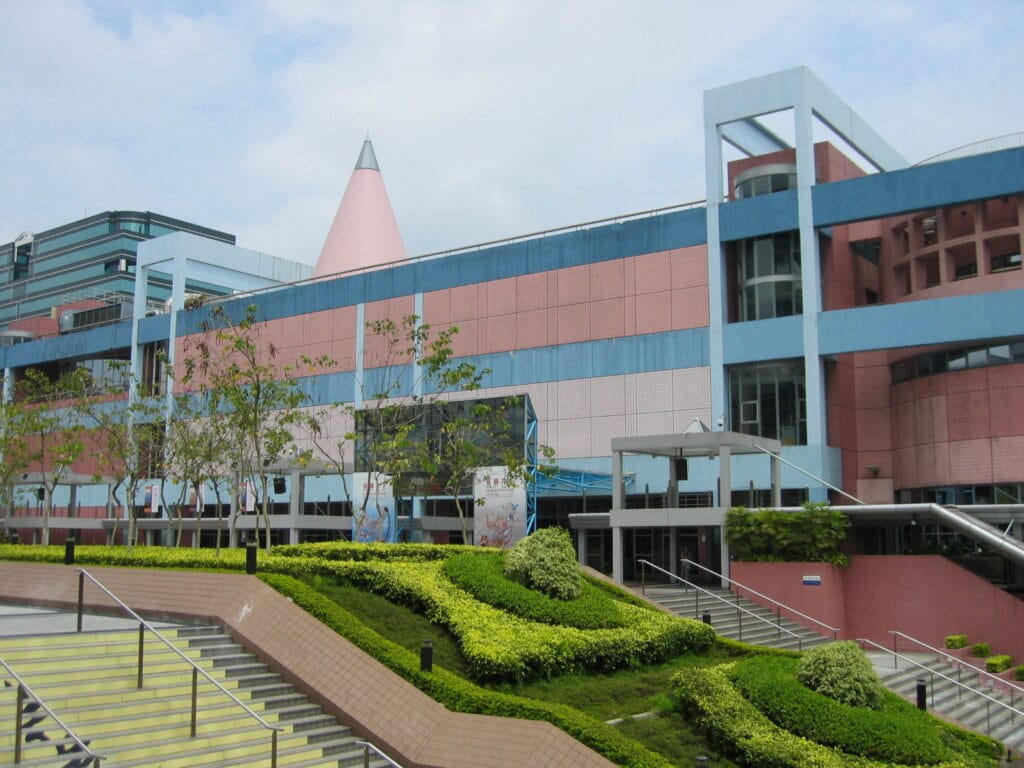
The museum is housed in a mid-rise urban structure located in Tsim Sha Tsui East, an area known for cultural institutions. The setting places it within reach of public transportation and other city attractions, which makes it potentially convenient for visitors looking to combine museum visits with other activities.
Inside, the layout has been arranged to facilitate visitor flow through different thematic zones, although the museum’s spatial constraints sometimes affect exhibit spacing. The design supports interactivity but can become crowded during peak periods, a relevant consideration for those seeking a quieter experience. Lighting and signage are generally clear, aiding navigation and comprehension, though some individual exhibits may require close attention due to fine details.
The museum’s physical context reflects its position as an urban educational facility rather than a large exhibition complex. Its location is typical for a city-based science museum, with no distinct natural surroundings influencing its atmosphere.
Practical Information
Current practical details, including opening times, admission fees, and any available discounts, are best confirmed through the museum’s official website. This will provide the most reliable and up-to-date access information. Similarly, statements about available guided tours, audio commentary, or special educational programming should be checked directly for confirmation before planning a visit.
Visitors should note that interactive exhibits, which form the core appeal, may have operational hours or maintenance periods affecting availability. Crowd levels can vary, especially on weekends and holidays, possibly influencing the experience of hands-on exhibits.
The museum is known to be accessible by public transit, making it suitable for visitors using city transport options. However, individual accessibility needs, including mobility support, should also be verified with the museum ahead of a visit.
Why Visit
Visiting the Hong Kong Science Museum offers an opportunity to engage directly with scientific principles through interactive display. For families, school groups, and those interested in science education, the museum serves as a practical site where science is less about static information and more about exploration and physical interaction.
Its focus on demonstrating concepts like mechanics, magnetism, and bodily function provides a basic educational benefit. The museum’s exhibits are generally suitable for visitors of most ages, though some familiarity or interest in science enhances the experience. Visitors expecting an art museum or a historically oriented museum of science will find the approach here quite different; there is an emphasis on experiential learning rather than contemplation or archival scholarship.
While the museum does not emphasize high technology or the very latest scientific research, it offers a consistent and approachable presentation of fundamental scientific ideas. This can be especially valuable for residents and visitors seeking to complement formal education or simply enjoy a day of learning in an active rather than passive way.
In summary, the Hong Kong Science Museum is well-suited for those interested in science education delivered through interactive, hands-on exhibits in a city setting. It does not aim to compete with larger national science museums in terms of scale or scope but fills an important role as an accessible, practical, and educational venue for learning about science and technology in everyday life.
For planning a visit, checking the museum’s official website for current information is advisable. This will ensure clarity about access arrangements, specific exhibit availability, and any current health or safety regulations that might affect the visitor experience.