Vrak – Museum of Wrecks
Archaeology Museums · Stockholm, Sweden. Vrak – Museum of Wrecks is a specialized maritime archaeology museum located in Stockholm, Sweden. The museum focuses on shipwrecks from the Baltic Sea, a region that has yielded an exceptional number of well-preserved…
Best forMaritime history, ships, harbour heritage
Setting / nearbyStockholm, Sweden
Overview
Vrak – Museum of Wrecks is a specialized maritime archaeology museum located in Stockholm, Sweden. The museum focuses on shipwrecks from the Baltic Sea, a region that has yielded an exceptional number of well-preserved vessels due to the unique salinity and oxygen conditions of its waters. Opened relatively recently, Vrak offers visitors an opportunity to examine underwater archaeology and understand the maritime history of this northern European sea basin through tangible, often well-preserved remains.
The museum frames shipwrecks not just as isolated artifacts but as portals into broader historical narratives, including trade, warfare, and cultural exchange across centuries. It does so by presenting substantial archaeological finds alongside modern digital tools to tell the intertwined stories of ships, their crews, and the sea itself. Rather than focusing purely on large or famous wrecks, Vrak also highlights the method and challenges of underwater research, including the preservation of organic materials that rarely survive on land or in more oxygen-rich waters.
Designed to appeal to both casual visitors and those with an interest in maritime archaeology and history, the museum provides insight into how underwater environments impact artifact survival, and how archaeologists carefully document and recover delicate remains. While the museum is centered around a specific thematic focus, it also situates itself within the context of Sweden’s maritime heritage and the importance of the Baltic Sea in shaping regional history.
Collection Highlights
The core of Vrak’s collection is built around archaeological finds recovered from Baltic Sea shipwrecks. Many of these vessels date from the medieval period through to the modern era. Objects on display include ship timbers, naval weaponry, cargo items, and personal belongings of sailors, all offering a glimpse into historical seafaring life and commerce.
A particularly notable aspect of Vrak’s collection is the range of well-preserved organic materials, which include wood, textiles, and leather, usually degraded in other parts of the world but conserved here thanks to the low salinity of the Baltic Sea. These materials allow for a nuanced understanding of shipbuilding techniques and everyday life aboard ship.
In addition to physical artifacts, the museum uses digital reconstructions and multimedia presentations to illustrate how wrecks are located, documented, and interpreted. This includes presentations explaining sonar scanning and underwater photography. The combination of tangible objects and interactive media gives a more complete picture of maritime archaeology as both a scientific discipline and a narrative tool.
The collection is scholarly grounded, reflecting ongoing collaboration with the archaeological research community. However, it is curated with a broad audience in mind, avoiding overly technical jargon while offering substantial information. Visitors interested in naval history, underwater archaeology, or Baltic regional history will find rich, focused content here.
Building and Setting
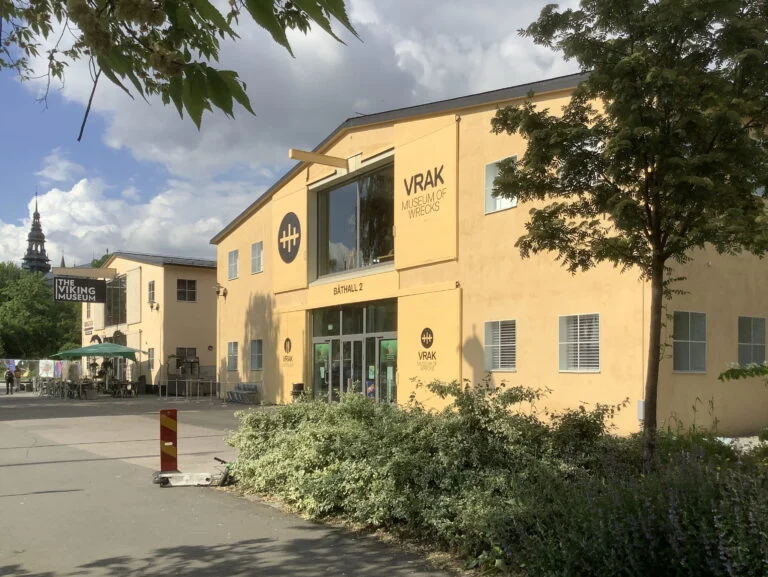
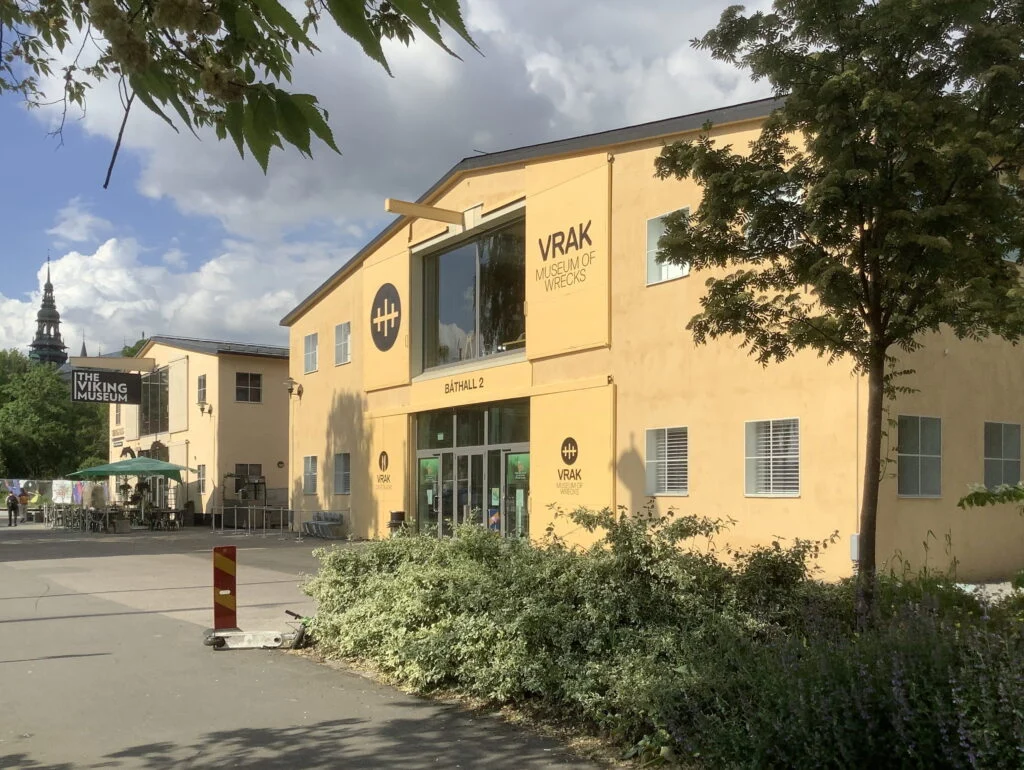
Vrak – Museum of Wrecks is situated in Stockholm, a city with deep connections to maritime trade and naval history. The exact location of the museum places it within reach of central Stockholm’s cultural landscape, though details on the immediate setting or building style should be verified for visitors planning their itinerary.
The museum’s architectural design and interior appear to support the display of relatively large archaeological materials and multimedia installations. The layout emphasizes accessibility of the exhibits combined with modern interpretive frameworks designed to engage visitors in the story of underwater excavation.
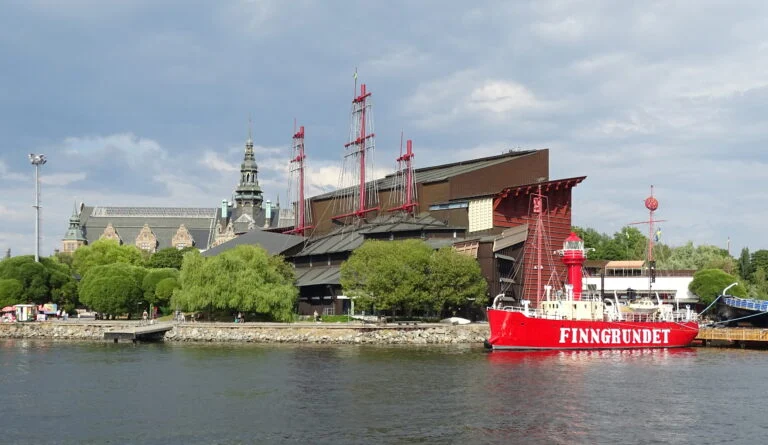
Stockholm itself is a city composed of numerous islands and waterfronts, which adds contextual significance to a maritime museum located there. Visitors may appreciate the physical proximity to the Baltic Sea, reinforcing the thematic links between place, maritime heritage, and the vessels studied within the museum.
Practical Information
For those considering a visit to Vrak – Museum of Wrecks, it is advisable to consult the official museum website before planning, to confirm current opening hours, admission policies, and any special arrangements. Details concerning ticket pricing, guided tours, or audio guides are not extensively confirmed, so visitors should check for the latest information.
Since the museum’s exhibitions rely in part on multimedia equipment and physical artifacts, some areas might be more crowded during peak tourist seasons or special events. Planning ahead can help manage time and expectations, especially for groups or visitors with limited availability.
Accessibility and visitor services, including facilities for persons with disabilities, or on-site amenities, have not been exhaustively verified. Prospective visitors needing specific accommodations should seek direct information through official channels.
Why Visit
Vrak – Museum of Wrecks offers a focused look into maritime archaeological practice that is uncommon in many general museum settings. By concentrating on the Baltic Sea shipwrecks, it fills a niche that intersects maritime history, archaeology, and environmental science. This approach allows visitors to learn about how factors like water chemistry affect the preservation of historical objects underwater — a dimension often absent in conventional maritime museums.
The museum suits those interested in history, archaeology, and maritime culture who want to see how current research methods bring the past to life. It may also attract visitors curious about the technology and techniques that underpin underwater exploration, bridging the gap between scientific inquiry and public education.
That said, if one’s interest lies chiefly in large ships, naval battles, or broad maritime trade history without an archaeological focus, the museum’s specialized content might feel narrower in scope. It is well suited, however, for those open to engaging with a specific aspect of maritime heritage presented through rigorous archaeological research rather than nostalgia or spectacle.
In summary, Vrak – Museum of Wrecks is an instructive venue that invites visitors to appreciate the complexities behind uncovering and understanding submerged cultural heritage. Its balanced presentation encourages thoughtful engagement rather than merely entertainment, offering a clear view of how shipwrecks serve as historical resources and scientific puzzles. For anyone with an interest in the Baltic region or maritime archaeology, it provides a distinctive window into a submerged world.