National Technical Museum Review
Tickets & Tours
Compare ticket options and guided tours from trusted booking partners.
We may earn a commission if you book through these links.
Historical Context
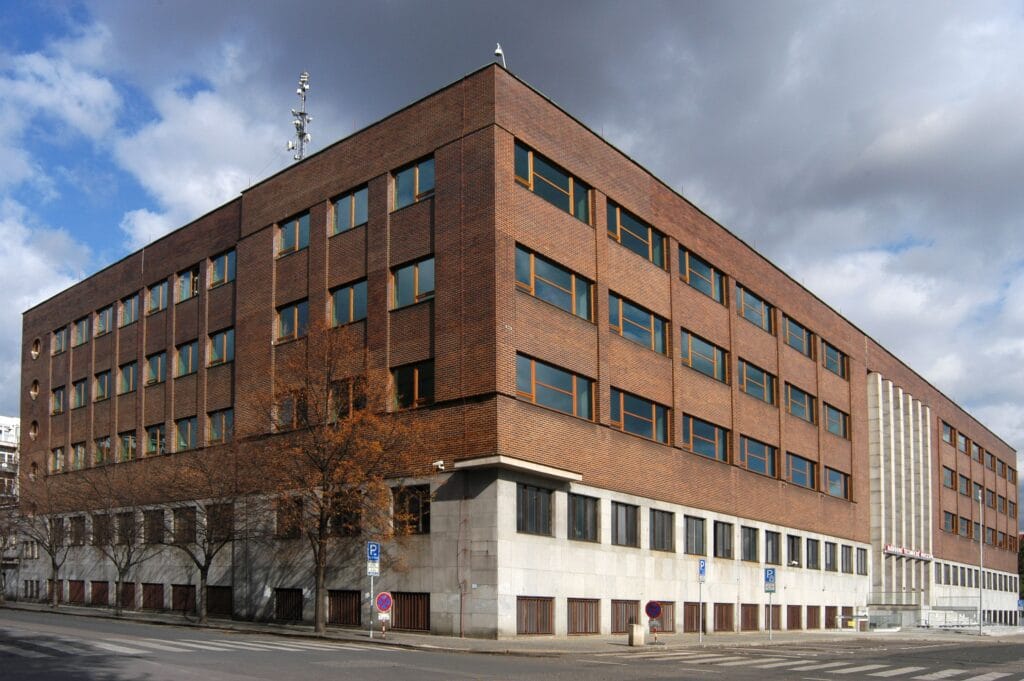
The National Technical Museum in Prague serves as the primary repository for the Czech Republic’s industrial, scientific, and engineering heritage. Established shortly after World War II, its roots extend further back to earlier collections related to the country’s technical and industrial endeavors during the 19th and early 20th centuries. Over time, it has evolved to reflect the transformation of technology in the region, including the significant technological advances made during the Austro-Hungarian Empire, the interwar period of Czechoslovakia, and the industrial developments under communist rule. The museum occupies a substantial building in Prague’s Letná district, its physical presence resonating with the streamlined and functional designs typically associated with technical institutions of the early 20th century.
Within the broader context of European technical museums, its collection stands as an important record of Central European contributions to machinery, transport, communications, and applied sciences. The museum’s holdings symbolize key moments in technological change and industrialization that shaped modern Czech society and connect to wider European industrial history. This institutional focus on technical history highlights the national significance of engineering and innovation as both a cultural and economic foundation for the Czech state. While it may not have the panoramic breadth of technical museums found in larger capitals, it plays a vital role in preserving and interpreting regional technical heritage.
What You See on Arrival
Approaching the National Technical Museum, a visitor is met with a building whose scale and architectural style communicate seriousness and authority. The museum occupies a space designed to accommodate large-scale machinery and exhibits, which foreshadows the nature of the collections within. The exterior, while functional, hints at the industrial themes held inside—its design minimizing decorative flourish in favor of a practical and efficient appearance. The museum’s identity is closely tied to this architectural language, providing a visual cue that the focus is on technical objects and applied science rather than fine arts or classic historical artifacts.
The entrance area and lobby likely establish the tone with direct access to exhibition halls and clearly structured circulation routes. Orientation materials and signage support visitors in navigating extensive displays, which are arranged primarily by type of technology and historical period. While the building’s presence sets a deliberate context for understanding technology’s role in Czech society, new visitors should anticipate a straightforward, somewhat formal museum experience focused on education and information rather than entertainment. This framing makes clear that the museum aims to serve both public education and research functions rather than casual or leisure visits alone.
Highlights and Key Exhibitions
Central to the National Technical Museum’s appeal is its comprehensive collection of industrial machinery, transport vehicles, and scientific instruments spanning several centuries. The permanent exhibition covers multiple domains: early industrial technology, automotive history, aviation, communications, photographic equipment, and applied sciences. These displays not only feature objects of Czech origin but also place them within broader European and global developments, showing how local innovation intersected with international trends.
One of the principal attractions is the transport section, which charts the evolution of land, air, and rail vehicles. The collection includes historically significant Czech-made automobiles, motorcycles, and bicycles alongside early prototypes and racing vehicles. These exhibits demonstrate the technical ingenuity and design evolution that occurred locally, reflecting the country’s prominent role in European vehicle manufacture during the 20th century. Equally notable is the aviation exhibit, where early gliders and propeller aircraft illustrate the pioneering efforts in Czech aeronautics. The rail transport memorabilia and models further deepen the narrative about infrastructure and industrial connectivity in the region.
The museum also devotes substantial space to the history of photography, showing cameras and optical devices from different periods. This segment connects technological advances in optics with cultural practices surrounding communication and image-making. Another strong area is the collection of scientific instruments, ranging from weight and measurement devices to early electrical equipment, which represents the progress of applied physics and chemistry.
Industrial machinery and production technology are well represented, showing large-scale factory equipment and tools used in mining and metallurgical processes. These exhibits emphasize the physical scale and complexity of industrial labor, providing insight into working conditions and production methods throughout history. The displays often incorporate detailed labels and timelines to situate these technological artifacts within socioeconomic contexts, such as shifts in industrial policy and labor organization.
Several smaller, specialized collections complement the main exhibitions. These include clockmaking and watchmaking, textile machinery, and energy production technologies. These categories highlight niche areas where Czech industries excelled, and their inclusion reveals the depth and diversity of the museum’s holdings.
The museum does not simply present machines as isolated curiosities; it aims to demonstrate how technology affected everyday life, industry, and the environment. However, the focus remains largely on the technological objects themselves rather than on broader theoretical explorations or artistic interpretations. While this approach serves clarity and specificity, it may feel somewhat dense or technical for casual visitors without prior interest in engineering or industrial history.
Visitor Experience
For those interested in technology, engineering, and industrial history, the National Technical Museum offers an extensive and tangible experience. The pace at which a visitor moves through the space will naturally vary based on prior knowledge and curiosity. The exhibitions are clearly organized and labeled, providing factual and historical context that enables deeper understanding. However, interpretation tends to prioritize technical description and chronological development over interactive or narrative-driven storytelling.
The museum’s layout encourages a linear progression through technological epochs and categories, which helps visitors form a structured impression of the evolution of Czech technical achievements. Certain sectors, like the transport and aviation displays, engage through the sheer scale and design of the artifacts, while others, such as communications or scientific instruments, rely more on detailed labels and contextual materials.
The audience best suited for this museum includes students, researchers, and enthusiasts of engineering, industrial design, and science history. Families and general tourists might find certain sections highly interesting, such as the vintage vehicles or early aircraft, but might also experience some fatigue given the density of technical material and less emphasis on interactive engagement.
One limitation to consider is the potentially challenging nature of some exhibits, whose explanatory texts may assume a baseline of specialist knowledge. While there are broad historical references, the museum does not significantly simplify complex engineering concepts or use media to break down difficult ideas. Visitors without a technical background should be prepared for a more academic tone, and may benefit from prior reading or guided tours if available.
The museum’s physical space is divided among large halls that host bulky machinery alongside cases with smaller items. This dual scale can be engaging but may demand careful pacing to appreciate both. The lighting and signage are generally clear, but the density of information in some areas may overwhelm visitors trying to absorb too much detail at once.
Tickets, Access, and Planning
Prospective visitors are advised to consult the museum’s official website or contact the institution directly for the latest details regarding admission policies, opening hours, accessibility options, and available guided tours or auxiliary materials. Practical considerations such as parking, café services, and retail options are typically outlined there as well.
Given the museum’s size and scope, visitors should plan sufficient time to explore the collection thoroughly. Depending on interest levels, this can range from a few hours to most of a day. The building’s location in Prague’s Letná district is accessible by public transport, with connections to city tram and bus routes nearby. Accessibility measures for visitors with reduced mobility are expected but should be confirmed in advance.
The museum’s educational mission means it is suitable for group visits, including school classes or specialized study groups, though check on booking procedures or visitor capacity if planning a large party. Entrance procedures and available visitor services should be verified beforehand to ensure a smooth visit.
Final Verdict
The National Technical Museum in Prague stands as a substantial and focused institution preserving the Czech Republic’s engineering and industrial heritage. Its collection offers a broad, historical survey of technologies that shaped regional and national development, with strong representation of transport, aviation, scientific instruments, and industrial machinery.
This museum will appeal most to visitors with a genuine interest in technical history, engineering, and science. It delivers its content in a straightforward, well-organized way, favoring detailed descriptions and chronological structure. While this approach deepens understanding for knowledgeable audiences, it may seem dense or less engaging for casual visitors who prefer interactive or narrative-driven museums.
The physical space and scale of exhibits underscore the tangible reality of industrial production and technological innovation, giving a strong sense of the practical challenges and achievements involved. The museum’s commitment to preserving these histories without excessive embellishment means its appeal rests on the quality and scope of its collections rather than on visitor entertainment or spectacle.
Potential visitors should plan carefully to allow adequate time for exploration, and confirm the latest visitor information through official channels due to changes that can occur in museum operations. The National Technical Museum’s contribution lies in its careful curation of Czech technology’s material culture, providing insight into a field often overlooked outside technical circles.
In sum, this is a technically rich and historically grounded museum that plays a key role in documenting Central European technological heritage. Its strengths are collection depth and thematic coherence, while its main drawbacks are a complexity and density that may challenge general audiences. For those intrigued by the workings of machines and the history of innovation, it is a resource worth serious consideration.