Hellenic Motor Museum
Automobile Museums · Athens, Greece. The Hellenic Motor Museum in Athens, Greece, presents a specialized focus on the history, technology, and culture of the automobile. Situated in a city rich with layers of history spanning several millennia, this museum…
Best forMasterpieces, architecture, cultural history
Setting / nearbyAthens, Greece
Overview
The Hellenic Motor Museum in Athens, Greece, presents a specialized focus on the history, technology, and culture of the automobile. Situated in a city rich with layers of history spanning several millennia, this museum offers a more modern story: the development and significance of the motor car, primarily in Greece but also in a global context. It is not an archaeological or classical museum but rather a niche institution dedicated to the evolution of automotive engineering and design. The origin of the collection relates to the personal passion of its founder, which has since been made public for enthusiasts and curious visitors alike.
As an automotive museum, it occupies a distinctive place in Athens. It serves both car aficionados interested in the technical and aesthetic aspects of historic vehicles and those with a more general curiosity about how motor transport affected Greek society in the 20th and 21st centuries. The museum’s presence complements other cultural institutions in the city by adding a layer reflecting industrial and social transformations, rather than ancient or fine art narratives. Visitors should expect a specialized setting—more focused than a general science museum or transport museum, and this means that the experience will be particular to its subject matter.
Collection Highlights
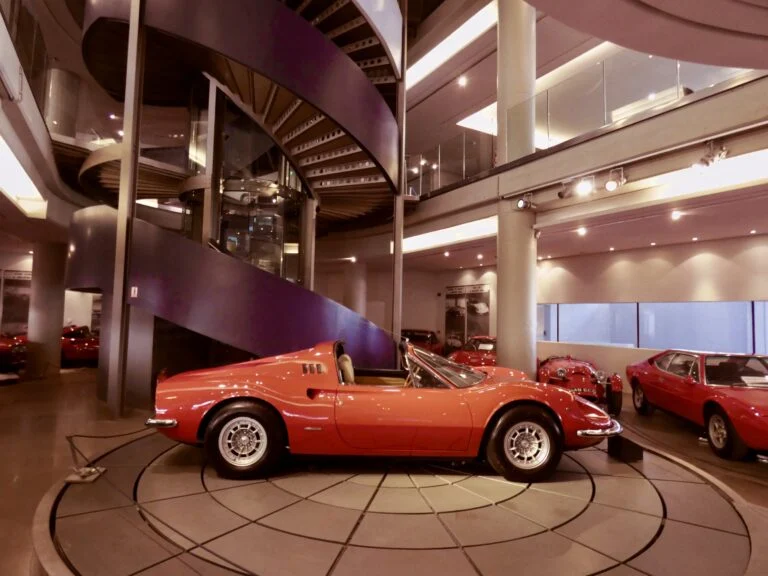
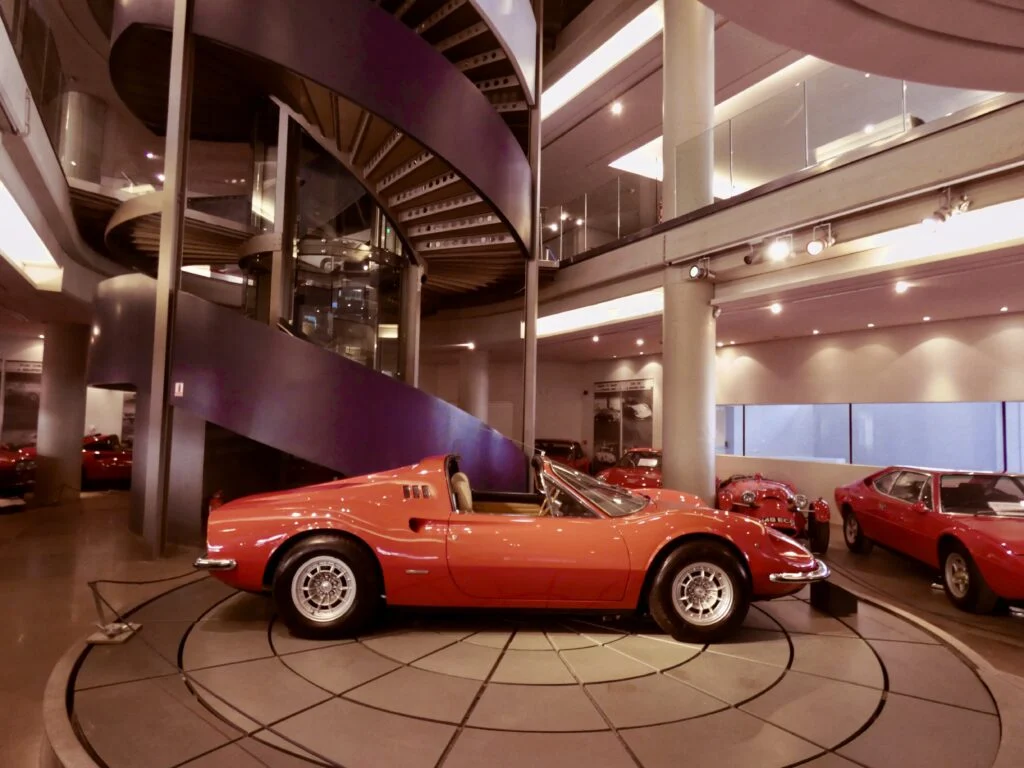
The heart of the Hellenic Motor Museum is its collection of nearly a hundred automobiles and motorcycles spanning from the early 20th century to more recent decades. The collection includes rare and sometimes unusual makes and models sourced locally and internationally, highlighting milestones in automotive design and innovation. Visitors can view a range of vehicles from classic European marques, American muscle cars, and notable Greek automotive history if present. The exhibits appear to be arranged both chronologically and thematically, addressing the progression of technology, design trends, and cultural impact.
Beyond the vehicles themselves, the museum includes related material such as photographs, technical documents, and memorabilia that contribute to understanding the broader story of motorization in Greece. These exhibits importantly illustrate social aspects like the changing role of cars in Greek everyday life and the shifting landscape of transport. The museum showcases how the automobile is not just a machine but also an object connected with people, identity, and lifestyle. The presence of motorcycles expands the narrative, providing insight into two-wheeled vehicles’ role in both leisure and practical mobility.
One should not expect a very large or encyclopedic display of cars from all eras or geographical areas. The collection’s density and thematic choices suggest a carefully curated rather than exhaustive approach. Rather than concentrating solely on luxury or sports cars, the museum appears to focus on models with historical significance or cultural resonance for Greece and car enthusiasts.
Building and Setting
The museum occupies a modern multi-level building in central Athens. Its urban location means it is accessible within the city’s broader public and traffic infrastructure, though potential visitors should investigate transport options as Athens traffic and parking can be challenging in some areas. The premises are designed specifically for vehicular display, with spacious rooms that allow visitors to view the cars from multiple angles and appreciate design details and craftsmanship.
Architecturally, the building itself does not appear to be a historical structure; it serves the primary function of providing an exhibition space suitable for both preservation and visitor exploration. Natural light and controlled artificial lighting are combined to show the colors and materials effectively without compromising the preservation needs of vintage automobiles. The layout is generally straightforward, enabling an easy flow and logical progression through the themes and eras covered.
The setting within Athens, a city with its own complex and rich history, positions the museum as a specialized cultural stop. The contrast between ancient historical sites and this museum of more recent technological development highlights Athens’s layered character and the city’s place in both old and new narratives.
Practical Information
For those planning a visit, it is advisable to check the official Hellenic Motor Museum website before arrival to confirm current opening hours, admission fees, and the availability of guided tours or audio guides. The museum’s schedule may vary by season, special events, or public holidays. Accessibility accommodations and facilities should also be verified in advance, especially for visitors with specific mobility needs.
Parking availability near the museum could be limited given its urban location, so public transport or taxis might be preferable depending on individual circumstances. The museum does not primarily focus on visitor amenities such as cafés or shops, so visitors planning extended stays or meals in the area may want to prepare accordingly.
Although the museum provides detailed descriptions and technical data for many exhibits, the information level may be more appealing to those with at least some prior interest or knowledge of automobile history. Casual visitors may find parts of the museum technical or specialized, so a measure of patience and curiosity will enrich the experience.
Why Visit
Choosing to include the Hellenic Motor Museum on an Athens itinerary contributes a distinctive perspective on material culture and technological innovation often overshadowed by ancient and classical heritage in the city. While it does not compete with archaeological wonders, it offers valuable context on how Greece and its inhabitants adapted to and shaped modern technology and daily life through the automobile. The museum is likely of particular interest to automotive historians, engineering students, design enthusiasts, and travelers curious about 20th-century transportation history in a Mediterranean setting.
The collection captures changes in style, engineering, and social meaning, providing insight into broader cultural trends through the lens of motor vehicles. Unlike more general museums of transport or industry, the Hellenic Motor Museum maintains a focused narrative tied closely to its collection’s specific items and their stories. This approach provides a clearer and less diffuse visitor experience, albeit for a more specialized audience.
In summary, the Hellenic Motor Museum is well suited for visitors who appreciate curated collections on technological and cultural themes, wish to understand Greece beyond its ancient past, or have an interest in how automobiles influenced society in a modern urban context. It complements other museums devoted to Greece’s artistic, archaeological, or natural heritage by addressing the motor vehicle’s distinct story, which continues to shape contemporary life in Athens and beyond.