World of Volvo
Automobile Museums · Gothenburg, Sweden. The World of Volvo is a museum dedicated to the history, innovation, and cultural impact of Volvo, one of Sweden’s most recognizable automotive brands. Located in Gothenburg, a city closely linked to Volvo’s origins,…
Best forMaritime history, ships, harbour heritage
Setting / nearbyGothenburg, Sweden
Overview
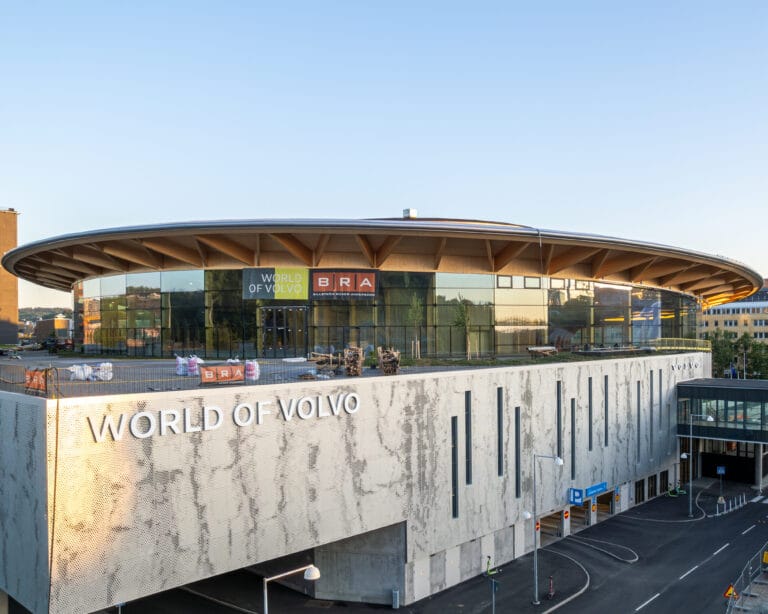
The World of Volvo is a museum dedicated to the history, innovation, and cultural impact of Volvo, one of Sweden’s most recognizable automotive brands. Located in Gothenburg, a city closely linked to Volvo’s origins, the museum functions as a specialized automobile museum and corporate heritage center. Rather than presenting a generic overview of car manufacturing, the museum traces the evolution of Volvo’s design, engineering achievements, and contributions to safety and sustainability. Its focus extends beyond vehicles to include the broader story of Swedish industry and the role of Volvo as both a local employer and a global company.
This museum is part of Sweden’s vibrant tradition of industrial museums that capture regional identity through the story of production and technology. It serves visitors interested in automotive history, engineering enthusiasts, and those curious about how a brand shapes and reflects societal changes over time. The World of Volvo is not designed as a large national museum but rather as a focused narrative space that combines historical artifacts with contemporary vehicles and multimedia presentations.
Collection Highlights
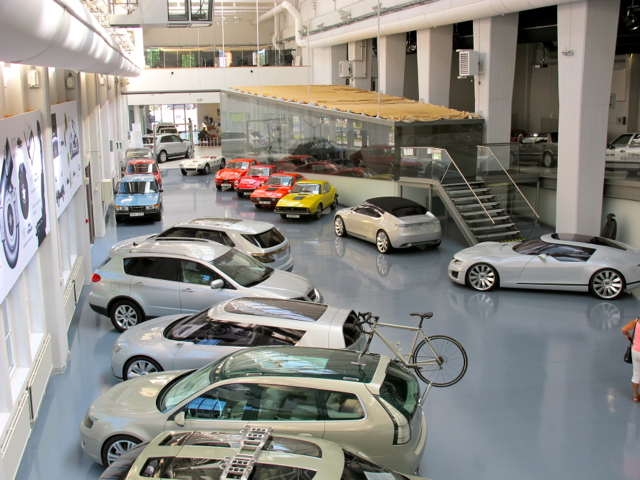
The core of the collection is Volvo’s vehicle lineup dating from the company’s founding in the early 1920s through to the present day. Visitors can expect to see early models that demonstrate Volvo’s initial engineering choices alongside notable cars that highlight design evolution and technological breakthroughs. Classic passenger cars are complemented by trucks, buses, and marine engines, reflecting the diversity of Volvo’s production and its broader impact beyond passenger transport.
One of the key themes in the collection is Volvo’s long-standing emphasis on safety innovations. The museum showcases milestones such as the introduction of the three-point seatbelt, a development often credited to Volvo, alongside displays explaining the company’s approach to crash testing and occupant protection. These exhibits go beyond mere display by integrating educational materials that explain the underlying technology and how it changed industry standards.
In addition to vehicles, the museum includes engines, technical drawings, prototypes, and manufacturing artifacts. Photographs, advertisements, and documents help contextualize the brand’s story with social and economic history from the region and Sweden at large. Special exhibits have occasionally focused on environmental initiatives, illustrating Volvo’s shift toward electric and hybrid vehicles and efforts to reduce emissions.
Building and Setting
The museum is located in Gothenburg, a city with historic ties to Volvo’s foundation and growth. Gothenburg itself has a strong industrial heritage and several museums related to maritime and manufacturing history. The World of Volvo is situated within an area that is convenient to the city center yet close to Volvo’s current production and development facilities, linking past and present operations.
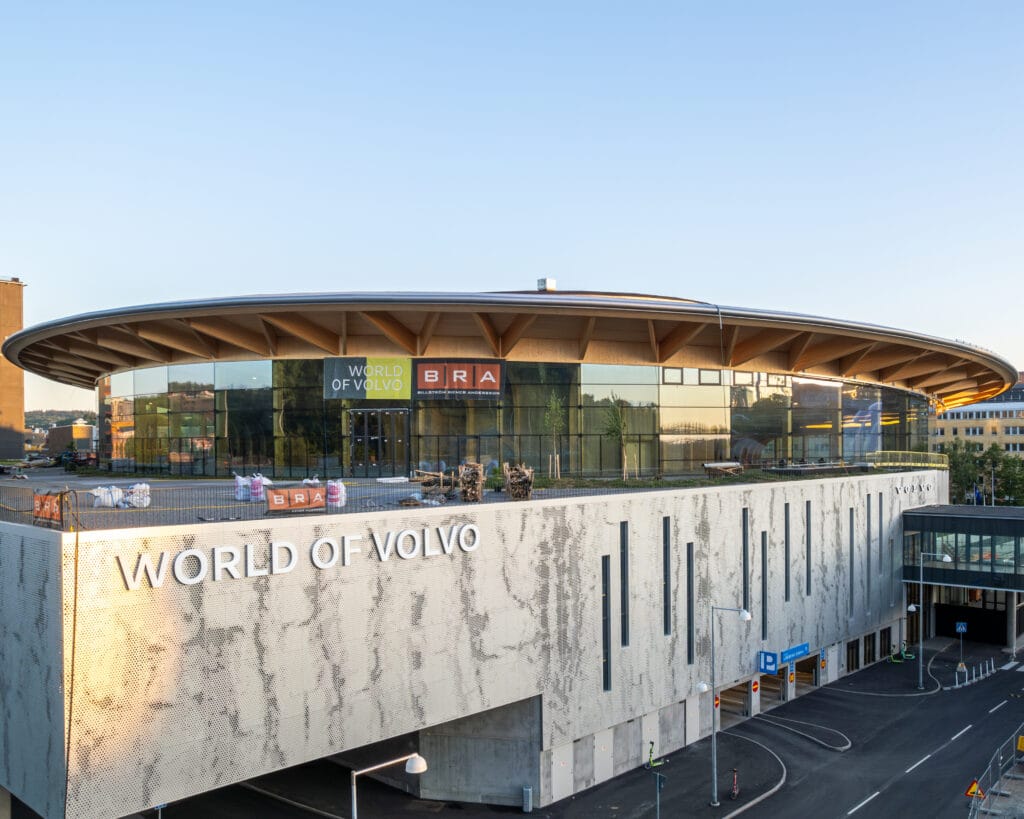
While the building’s architecture is functional rather than monumental, it is well-suited to its purpose with spacious galleries designed to accommodate the size of vehicles and dynamic displays. The layout allows for a chronological and thematic flow that helps visitors understand the progression of Volvo’s technical achievements and business strategy. Spaces are organized to encourage hands-on engagement, with some interactive features, although the overall atmosphere remains informative and focused on storytelling.
Practical Information
Since details on admission procedures, opening hours, and visitor services may vary, it is advisable for potential visitors to check the museum’s official website before planning a visit. This site will provide up-to-date information on current exhibitions, special events, and any booking requirements. Given the museum’s corporate affiliation, it may have periods of closure for private events or seasonal variations in schedule.
The museum generally suits those who have at least a moderate interest in technology, design, or automotive history. It may appeal less to visitors who prefer art museums or broadly cultural institutions. Families with children who enjoy vehicles and technical exhibits might find it engaging, but the focus leans more toward factual and educational content rather than entertainment.
Accessibility information and available visitor amenities such as cafés or shops should be confirmed with the museum’s resources. Parking and public transport connections are likely typical of a mid-sized city museum but verifying these details closer to the visit is prudent.
Why Visit
Choosing to visit the World of Volvo offers an opportunity to explore the history of a company that has had a significant influence on automotive safety and engineering worldwide. The museum not only presents vehicles as objects but situates them within a business and social context, helping visitors see how innovation and company leadership interact with market and societal demands.
For those with an interest in how industrial history shapes local identity, this museum offers insight into Gothenburg’s industrial development and the role of Volvo as a regional employer and international brand. The museum’s careful presentation of technical information alongside broader cultural and environmental themes makes it a useful resource for understanding changes in transportation and manufacturing over the past century.
At the same time, the World of Volvo sets reasonable expectations. It does not present a universal history of the automobile or even all Swedish automotive production, nor is it a heavily interactive or entertainment-driven experience. Instead, it invites reflective engagement with the material culture of Volvo, encouraging visitors who appreciate design, engineering, and industrial heritage to consider how innovation is shaped by and shapes human experience.
Ultimately, the World of Volvo serves as a specialized but accessible destination for those interested in the convergence of technology, business, and culture in one of Sweden’s most famous companies. Its position in Gothenburg makes it a relevant stop for exploring Sweden’s industrial past alongside the city's maritime and urban heritage. Visitors should plan carefully and consult official information to optimize their visit according to what aspects of Volvo’s story interest them most.