Cosmosphere Review
Space Museums · Hutchinson, United States. The Cosmosphere, located in Hutchinson, Kansas, holds a unique place within the landscape of American science and space museums. Established in 1962, it has grown from a small collection of aviation artifacts into one…
Space Museums · Hutchinson, United States. The Cosmosphere, located in Hutchinson, Kansas, holds a unique place within the landscape of American science and space museums. Established in 1962, it has grown from a small collection of aviation artifacts into one…
Best forDesign, architecture, visual culture
Review focusCollections, visitor experience, and practical planning
Historical Context
The Cosmosphere, located in Hutchinson, Kansas, holds a unique place within the landscape of American science and space museums. Established in 1962, it has grown from a small collection of aviation artifacts into one of the nation’s most comprehensive space exploration museums. The institution’s founding coincided with the fervor of the Space Race, reflecting a national enthusiasm for aerospace innovation and the dreams of human spaceflight. The Cosmosphere’s development ran parallel to milestones in space history, allowing it to cultivate an impressive assemblage of artifacts that chronicle the entire trajectory of space exploration, from early aviation and rocketry to the Apollo moon missions and beyond. Over the decades, it has not only served as a repository of historical objects but also as an educational center, helping visitors to contextualize the technological and scientific advancements that define human engagement with space. Its setting in Hutchinson, a relatively small city, makes it a remarkable cultural hub, drawing visitors from across the United States and internationally.
What You See on Arrival
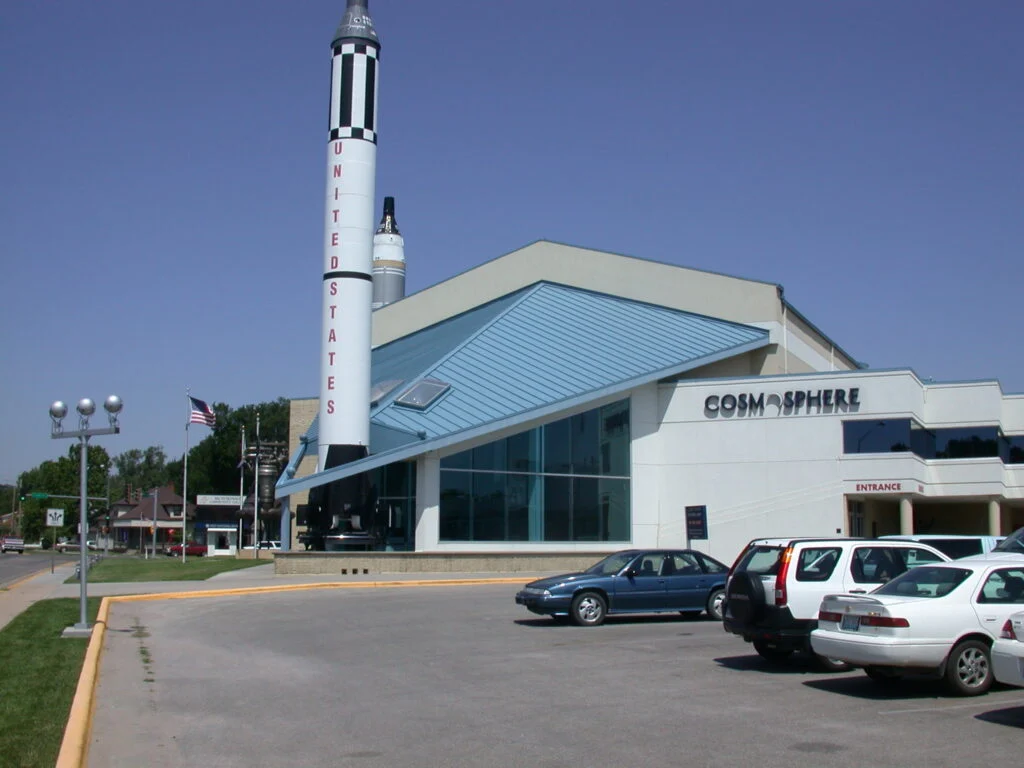
Approaching the Cosmosphere, visitors are greeted by a modern, architecturally distinctive facility that contrasts with the surrounding landscape of central Kansas. The building’s sweeping lines and expansive glass facades offer a glimpse into the futuristic themes that lie within. Outside, a selection of large-scale artifacts hints at the museum's dedication to aerospace history, including rockets and aircraft that stand prominently against the sky. Upon entering the main lobby, visitors find a spacious, well-lit environment that invites exploration. Large informational displays and clear signage orient guests toward various galleries and exhibits, instilling a sense of anticipation. The layout is designed to accommodate different interests and age groups, with areas catering both to casual visitors and to those seeking deeper academic engagement. The initial impression is one of professionalism and thoroughness, setting the tone for an educational yet engaging visit.
Highlights and Key Exhibitions
The Cosmosphere’s collection boasts a number of standout exhibits that collectively offer a comprehensive overview of human spaceflight. One of the most notable features is its extensive Apollo program artifacts, including original spacecraft components and authentic space suits worn by astronauts. The attention to detail in these presentations allows visitors to appreciate the complexity and ingenuity required for lunar missions. Additionally, the museum houses a remarkable array of Cold War-era Russian spacecraft, providing an invaluable comparative perspective on the technology and achievements of the competing superpowers. This international collection contributes to the museum’s reputation as a center for space history scholarship.
A further highlight lies in the museum’s immersive exhibits, which utilize multimedia to reenact key moments in space exploration. These presentations underscore the human stories behind the technical achievements, offering narratives that blend science, engineering, and personal courage. The Cosmosphere’s focus on the evolution of spaceflight technology—from early aviation breakthroughs through the era of orbital stations—ensures a broad temporal scope that appeals to diverse audiences.
Visitor Experience
The visitor experience at the Cosmosphere merges accessibility with depth, making it suitable for school groups, families, and dedicated space enthusiasts alike. The exhibits employ a combination of hands-on displays, multimedia presentations, and detailed explanatory texts that support various learning styles. Interactive elements such as simulators and educational workshops enhance engagement, although their availability can vary, impacting repeat visitors’ experiences.
Staff members and guides are generally knowledgeable and approachable, able to contextualize complex material for visitors without specialized backgrounds. The museum’s pace encourages thoughtful exploration; however, given the breadth of its holdings, some may find the depth of information somewhat overwhelming. Clear pathways and logical exhibit sequencing mitigate this risk by guiding visitors through a coherent narrative arc.
Tickets, Access, and Planning
The Cosmosphere offers a straightforward ticketing system, with options tailored for adults, seniors, students, and children. Pricing is positioned competitively within the cultural and educational tourism market, offering reasonable value considering the scope of exhibits and programming. There are often discounts for groups and local residents, encouraging community engagement.
Accessibility features include ramps, elevators, and accommodations geared toward visitors with mobility challenges. The building’s design ensures that most exhibits are reachable and navigable, though some upper-level displays may pose challenges depending on individual needs. The museum provides ample parking and is accessible via regional transportation options, although visitors from outside the area may require private vehicles or arranged transport.
Advance planning is advisable during peak seasons or special educational events, as the museum can become busy. Information on opening hours, current exhibits, and visitor guidelines is readily available on the institution’s official website, facilitating easy trip preparation.
Final Verdict
The Cosmosphere in Hutchinson is a distinguished institution that succeeds admirably in chronicling the history and achievements of human spaceflight. Its comprehensive collection, particularly in relation to the Apollo missions and Russian space technology, sets it apart from many other aerospace museums. With a strong commitment to education, the museum translates complex scientific and historical material into accessible and engaging experiences. While its remote location might pose logistical challenges for some travelers, the richness of its exhibits rewards those who make the journey.
By balancing in-depth information with interactive and multimedia elements, the Cosmosphere caters effectively to a wide audience spectrum. It stands as an essential destination for anyone interested in the legacy of space exploration and the technological innovations that have carried humanity beyond Earth’s atmosphere. As such, it holds firm as a key component of America’s cultural and scientific heritage landscape.