Leonardo da Vinci Museum of Science and Technology Review
Science Museums · Milan, Italy. Situated in the vibrant city of Milan, Italy, the Leonardo da Vinci Museum of Science and Technology holds a distinct place in the country’s cultural and scientific landscape. Established in the early 1950s, the…
Science Museums · Milan, Italy. Situated in the vibrant city of Milan, Italy, the Leonardo da Vinci Museum of Science and Technology holds a distinct place in the country’s cultural and scientific landscape. Established in the early 1950s, the…
Best forScience, technology, hands-on learning
Review focusScience exhibits, innovation, and visitor planning
Historical Context
Situated in the vibrant city of Milan, Italy, the Leonardo da Vinci Museum of Science and Technology holds a distinct place in the country’s cultural and scientific landscape. Established in the early 1950s, the museum was envisioned as a tribute to one of history’s greatest polymaths, Leonardo da Vinci, whose relentless curiosity bridged art and science. The museum’s foundation aligns with Italy’s post-war efforts to invest in education and culture, representing a commitment to preserving and promoting scientific knowledge. Over the decades, it has grown into one of Europe’s most comprehensive institutions dedicated to technology, innovation, and the historical development of science. The museum’s focus on Leonardo da Vinci’s legacy is more than symbolic; it provides a thematic lens that anchors its diverse collections and exhibitions, which extend far beyond the Renaissance period. The institution deftly balances historical artifacts with contemporary scientific achievements, illustrating the evolution of human ingenuity while paying homage to the Renaissance spirit of interdisciplinary exploration.
What You See on Arrival
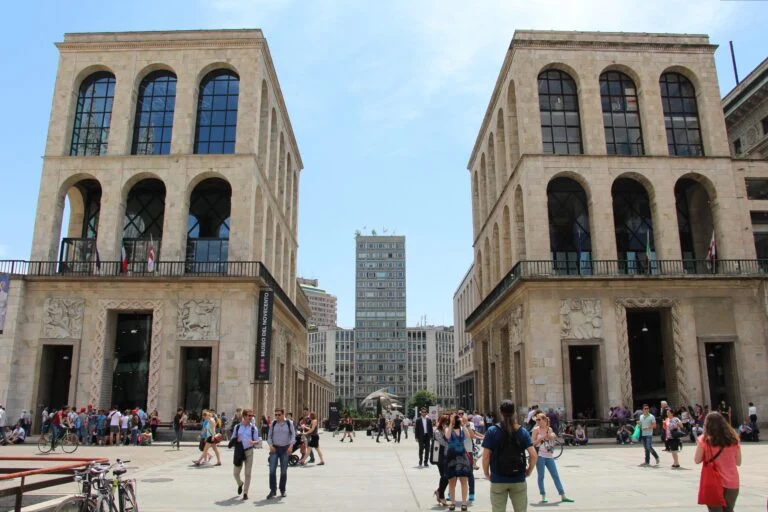
Upon approaching the museum, visitors are greeted by an imposing structure that echoes both modernity and tradition. The architecture itself is a reflection of Milan’s blend of historical sophistication and forward-looking dynamism. The museum’s façade, though not ostentatious, exudes a dignified presence, featuring clean lines and spacious entrances that invite exploration. Surrounding the building, landscaped gardens and open spaces provide a pleasant transition from the bustling urban environment to an atmosphere more conducive to thoughtful engagement. Prominently displayed near the entrance is a replica of some of Leonardo da Vinci’s iconic machines, which serves as an immediate thematic introduction. The external milieu is designed to stimulate curiosity, with informational signage that sets the tone for what lies inside. The main lobby opens into a grand, well-lit space that orchestrates visitor movement toward various exhibition areas. Clear wayfinding aids and engaging displays here provide context and prepare guests for the museum’s extensive array of scientific and technological marvels.
Highlights and Key Exhibitions
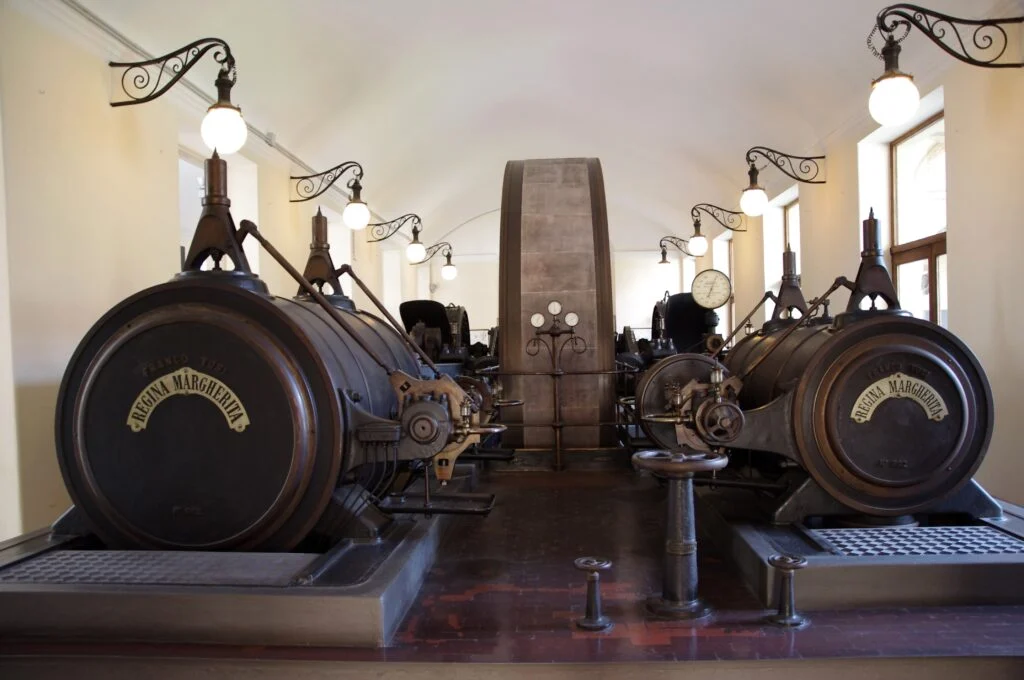
This museum’s most striking feature is its devotion to the life and works of Leonardo da Vinci, showcased through meticulously crafted models and reproductions based directly on his original drawings. These installations bring to life his visionary designs for flying machines, hydraulics, and automatons, providing valuable insight into his inventive methodology and the challenges of interpreting centuries-old notes. Aside from Leonardo’s legacy, the museum boasts a vast collection encompassing the history of transport, energy, communication, and materials science. Visitors encounter vintage railway engines, early aircraft, and pioneering naval vessels, each presented with thorough explanatory materials that illuminate their technological and historical significance. The telecommunications section traces the evolution from the telegraph to modern digital communication, offering a compelling narrative of how human connectivity has transformed. Another highlight includes the physics and material science exhibits, where interactive displays demystify principles underlying electromagnetism, mechanics, and optics. The museum’s extensive archive of models and prototypes serves both educational and inspirational functions, underscoring the iterative nature of scientific progress. While the permanent collections are exemplary, it is worth noting that temporary exhibits, although not detailed here, periodically offer fresh perspectives and contemporary scientific themes.
Visitor Experience
The visitor experience at the Leonardo da Vinci Museum is characterized by a well-curated blend of educational rigor and accessibility. The spatial organization allows for a logical flow, guiding guests from one thematic section to another without confusion. Exhibits are designed with varied audiences in mind, utilizing textual explanations, multimedia presentations, and hands-on elements to accommodate different learning styles. Educational resources and guided tours enhance comprehension, particularly for younger visitors or those new to scientific concepts. The museum’s staff are generally described as knowledgeable and approachable, contributing positively to the overall atmosphere. Visual and tactile interactions deepen engagement, making complex scientific ideas tangible. However, some areas could benefit from additional multilingual support, as the primary languages tend to be Italian and English, which may limit accessibility for certain international visitors. The museum also features dedicated spaces for children, reinforcing its commitment to fostering curiosity and learning across ages. Overall, the well-maintained facilities, thoughtful curatorial choices, and interactive opportunities create an enriching environment that appeals broadly from casual tourists to science enthusiasts.
Tickets, Access, and Planning
Planning a visit to this museum requires consideration of operational details that influence the overall experience. Entrance fees are generally affordable and discounted rates are often available for students, seniors, and groups, making the museum accessible to a wide demographic. It is advisable to verify opening hours and any public holiday closures in advance, as these are subject to change. The museum’s location in Milan is well-served by public transportation, including metro, bus, and tram options, ensuring easy access from city centers and beyond. Ample parking facilities are available for those arriving by car. Accessibility for visitors with mobility challenges is carefully accommodated with ramps, elevators, and designated rest areas, although visitors with specific needs are encouraged to consult the museum in advance to confirm particular arrangements. The presence of a well-stocked museum shop and a café adds convenience, offering themed merchandise and refreshments. For those interested in deeper engagement, booking guided tours or participating in educational workshops is recommended, with details available on the official museum website. Advance ticket purchase online can help to avoid queues, particularly during peak tourist seasons.
Final Verdict
The Leonardo da Vinci Museum of Science and Technology in Milan stands out as a comprehensive, thoughtfully curated institution that celebrates both the past and future of scientific inquiry. Its unique emphasis on Leonardo da Vinci’s genius as a catalyst for broader explorations into technology and innovation provides a distinctive thematic core. The museum successfully balances traditional artifacts with interactive and educational elements, appealing to a diverse cross-section of visitors from casual sightseers to dedicated science aficionados. While minor enhancements could be made in multilingual support and temporary exhibition visibility, these do not detract significantly from the overall quality and appeal. For visitors to Milan, and for anyone with an interest in the history of science, technology, and one of humanity’s most enduring geniuses, this museum offers a rich and inspiring experience. Its blend of scholarly depth, visual engagement, and practical accessibility cement it as a must-see destination within Italy’s cultural and educational landscape.