MUSE – Science Museum Review
Historical Context
Located in the northern Italian city of Trento, the MUSE – Science Museum stands as a beacon of contemporary museology and scientific communication. Opened in 2013, the museum represents a modern approach to science education, where architecture and exhibition design coexist in a dialogue that invites curiosity and engagement. Its conception and construction reflect the city’s aspiration to link nature, science, and culture within an urban and Alpine context. MUSE was designed with sustainability and environmental consciousness in mind, echoing the regional landscape’s pristine nature and biodiversity. The museum’s mission emphasizes interactive learning and interdisciplinary approaches, aiming to bridge the gap between scientific research and public understanding. It also highlights the relationship between humans and nature, stressing the responsibility to preserve the environment amid ongoing climate challenges. MUSE’s foundations lie in addressing contemporary scientific themes through innovative exhibitions, making it a landmark institution for both local and international visitors interested in science, technology, and natural heritage.
What You See on Arrival
Approaching MUSE, visitors are immediately struck by the building’s strikingly modern and fluid architectural design, which resembles a crystalline structure—both angular and organic. The façade incorporates ample glass and wood, materials that reflect the museum’s ecological aspirations and help it blend harmoniously with the surrounding alpine setting. Situated at the edge of Trento’s historic city center, the museum sits near the banks of the Fersina river, adding a beautiful natural element to the location. The structure’s multiple terraces and green roofs visible from the outside further emphasize its sustainable initiatives. Upon entering, there is a sense of openness, with wide, sunlit spaces that integrate cutting-edge design and natural imagery. The lobby area offers clear sightlines toward various floors and exhibition spaces, hinting at the diversity of scientific themes housed within. The immediate atmosphere combines modern minimalism with educational intent, setting the stage for the explorations ahead.
Highlights and Key Exhibitions
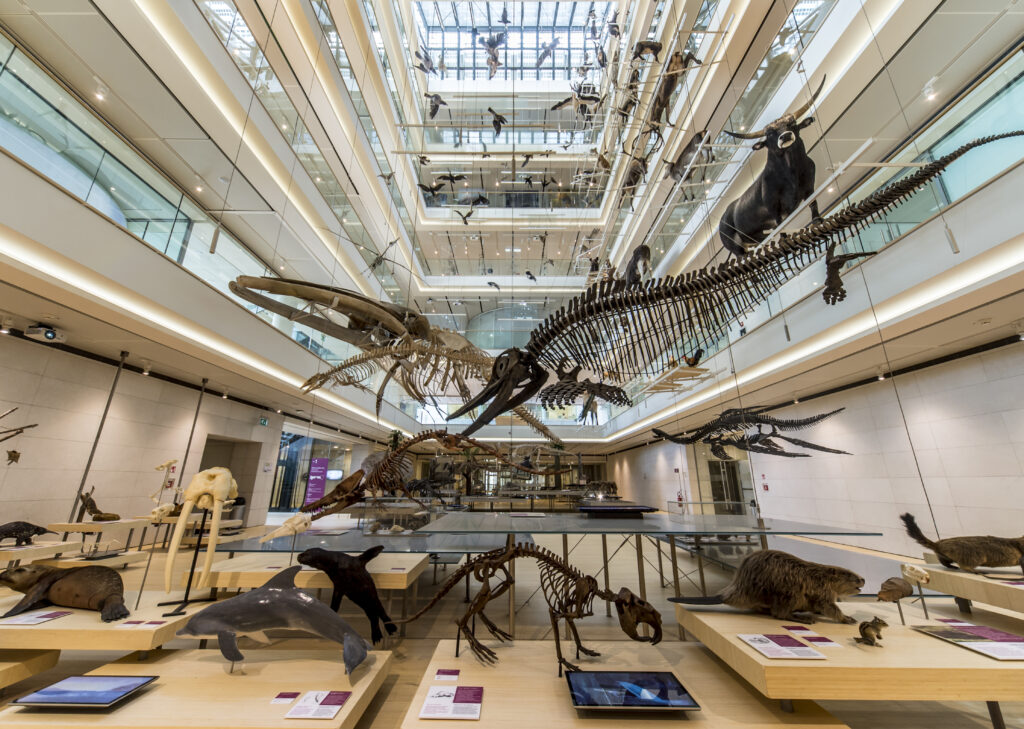
MUSE is renowned for its thematic approach to science, which is designed to inspire visitors of all ages but particularly families and young people. The permanent exhibitions are arranged around five main thematic areas: the Natural Environment, Biodiversity, Human Evolution, Alpine Environment, and Technology and Innovation. The Natural Environment section provides a dynamic overview of ecosystems, showing complex interactions among flora, fauna, and geological processes. This area often impresses due to its large-scale specimens and interactive multimedia displays that underline ecological balance and human impact.
Biodiversity is a crucial theme given Trento’s proximity to the Alps—a hotspot of diverse plant and animal life. Displays here include detailed anatomical models, live specimens, and digital activities meant to foster conservation awareness. The Human Evolution section traces the journey of humanity through fossil records, anthropological findings, and immersive installations that provoke reflection on our origins and future.
The Alpine Environment exhibition is one of the museum’s signature features, offering an in-depth look at the unique natural and cultural heritage of the Alps. Through innovative use of sound, visuals, and tactile exhibits, this section draws attention to glacial changes and mountain ecology, topics highly relevant to contemporary environmental debates.
Finally, the Technology and Innovation area presents scientific advancements in materials, robotics, and sustainable energy, showcasing how cutting-edge research is transforming everyday life. The integration of hands-on labs and digital interactives enhances understanding and invites visitors to experiment and learn through doing.
Regular temporary exhibitions complement these permanent sections, often focusing on emerging scientific topics or technological challenges. These change periodically, enriching the museum’s appeal for repeat visits.
Visitor Experience
MUSE prioritizes engagement and accessibility, striving to create a visitor experience that is informative yet enjoyable. The layout of the museum encourages exploration, with exhibition spaces arranged in an order that facilitates a narrative flow rather than a linear journey. Interactivity plays a major role in keeping visitors involved: touchscreens, augmented reality components, and immersive environments are common throughout the galleries.
Signage and information panels are provided in multiple languages, including Italian, English, and German, reflecting the museum’s international reach and the multilingual population of the region. The staff are generally well-trained and approachable, ready to assist visitors with questions or offer guidance on exhibits. Educational programs and workshops are regularly organized, targeting school groups and families, which enhance learning outcomes and attract a younger demographic.
The building’s design contributes meaningfully to the experience, with natural light and open spaces making navigation easy and pleasant. The museum also offers multimedia guides and apps that provide additional scientific content and stories related to the exhibits, catering particularly well to tech-savvy visitors.
However, some visitors may find the volume and density of information overwhelming, especially younger children or those without prior scientific background. While interactive elements help in this regard, a more layered interpretation—offering simpler and more advanced content simultaneously—could improve accessibility for all audiences.
Tickets, Access, and Planning
Ticketing for MUSE is straightforward and fairly priced, offering several options to accommodate different visitor needs. Admission fees are tiered, with reduced prices for youth, seniors, students, and families. Children under a certain age generally enter free of charge. Annual passes and combination tickets with other Trento cultural sites are available, appealing to tourists interested in a broader exploration of the region’s heritage.
Opening hours are conducive to day trips, typically spanning from morning into early evening, although exact times fluctuate seasonally. Advance booking is recommended, especially during weekends, holidays, and school vacation periods, to avoid overcrowding and ensure a smooth visit. Online ticket purchase is facilitated through the official website, which also provides comprehensive practical information.
Accessibility for visitors with reduced mobility is well-considered. The building is equipped with ramps, elevators, and adapted restrooms, ensuring that most exhibition areas are reachable by wheelchair. Additionally, there are services tailored to partially sighted or hearing-impaired guests, including tactile exhibits and multimedia content with subtitles or sign language interpretation.
Transport connections to the museum are convenient given its city-center location. Public transport and parking facilities are available nearby, and the walk from Trento’s main train station is manageable for most. Visitor amenities include a café offering local and international fare and a well-stocked museum shop selling scientific-themed books, toys, and souvenirs.
Final Verdict
MUSE – Science Museum in Trento represents a significant achievement in the realm of science communication within a museum setting. Its combination of innovative architecture, well-conceived exhibitions, and commitment to sustainability sets a high standard for contemporary science museums. The thematic structure offers a coherent yet varied scientific narrative that balances natural history, environmental issues, and technological advancement with clarity and depth.
The museum’s strengths lie in its interactive and multisensory approach, educational outreach, and integration of digital tools that appeal to a wide demographic, from families to serious science enthusiasts. Moreover, the location—nestled at the foot of the Alps—adds an authentic contextual dimension to many of its exhibits.
On the other hand, the density of information and the breadth of content might challenge some visitors, suggesting opportunities for refinement in interpretative strategies to better serve diverse educational backgrounds and interests. Additionally, while the visitor amenities are commendable, expanding multilingual support beyond the main languages could further enhance inclusivity for the international audience.
Overall, MUSE stands out as a compelling destination for those seeking an engaging and immersive experience in contemporary science and environmental awareness. It succeeds not only in informing but also in inspiring its audience to reflect on humanity’s place within the natural world and our shared responsibility towards a sustainable future. For travelers to northern Italy with an interest in science and the environment, MUSE is undoubtedly worth including on the itinerary.