Latvian National Museum of Art Review
Art Museums · Riga, Latvia. The Latvian National Museum of Art holds a distinguished place within the cultural fabric of Riga and Latvia at large. Established in the early 20th century, the institution has evolved alongside Latvia’s own tumultuous…
Art Museums · Riga, Latvia. The Latvian National Museum of Art holds a distinguished place within the cultural fabric of Riga and Latvia at large. Established in the early 20th century, the institution has evolved alongside Latvia’s own tumultuous…
Best forMasterpieces, architecture, cultural history
Review focusCollections, curatorial focus, and visitor planning
Historical Context
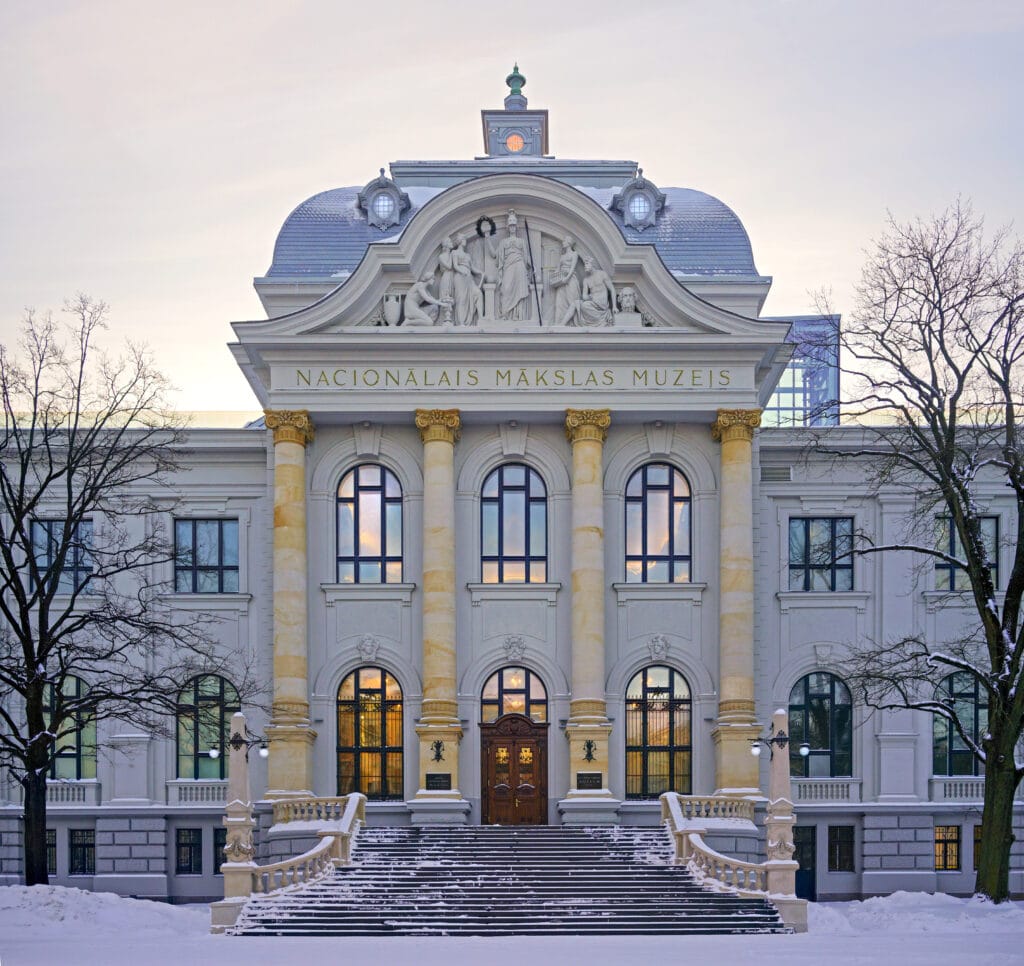
The Latvian National Museum of Art holds a distinguished place within the cultural fabric of Riga and Latvia at large. Established in the early 20th century, the institution has evolved alongside Latvia’s own tumultuous history, bearing witness to periods of independence, occupation, and renewal. Its origins date back to the national awakening period, reflecting a concerted effort to safeguard Latvian artistic heritage and promote the country’s cultural identity. The museum building itself, constructed between 1905 and 1910 in a grand neo-classical style by architect Wilhelm Neumann, is an architectural landmark that symbolizes the nation's artistic aspirations. Over the decades, the museum has expanded its collection, championing local artists as well as curating works that connect Latvia to wider European art movements. Today, it stands as a testament not only to the country’s artistic achievements but also to the resilience and dynamism of Latvian culture, offering visitors a deeply layered narrative through its comprehensive holdings.
What You See on Arrival
The approach to the Latvian National Museum of Art primes visitors for a refined cultural experience. Situated close to the city center, the museum’s stately façade greets visitors with a sense of gravitas and timeless elegance. The symmetrical grandeur of the building, marked by classic columns and intricate stonework, immediately signals its institutional importance. The museum’s location within the verdant setting of Bastejkalns Park adds a serene quality to the arrival experience, providing both a natural counterpoint and a contemplative space before entering. Upon crossing the threshold, the interior maintains the stateliness of the exterior through its spacious entrance hall characterized by high ceilings and a subtle grandeur that blends historic charm with clean, well-maintained spaces. This initial impression conveys a balance of tradition and accessibility, inviting visitors to explore the cultural wealth within.
Highlights and Key Exhibitions
The core strength of the Latvian National Museum of Art lies in its extensive and well-curated permanent collection, which offers a thorough overview of Latvian art history from the 18th century through to contemporary works. A particular highlight is the rich array of national romanticism and modernism pieces, showcasing seminal Latvian artists such as Janis Rozentāls, Vilhelms Purvītis, and Kārlis Padegs. These works provide insight into Latvia’s national identity formation through art, blending traditional themes with innovative modern techniques. The collection also features strong representations of classic European masters, particularly from the Baltic region, which complements the national works and situates them within a broader artistic dialogue. Additionally, the museum’s emphasis on contemporary Latvian art reflects a commitment to supporting ongoing creative production, providing nuanced perspectives on current social and cultural issues. Carefully curated thematic displays help contextualize these offerings, and the museum’s approach to interpretation is generally accessible yet informative, catering both to art aficionados and casual visitors.
Visitor Experience
The Latvian National Museum of Art aims to deliver a visitor experience that is both engaging and thoughtfully paced. The layout of the galleries encourages a chronological journey through Latvian art history while allowing for moments of thematic deviation that deepen understanding. Clear signage and informative plaques offer essential background without becoming overly dense, striking an effective balance for diverse audiences. The lighting and spatial design within the galleries emphasize the artwork while creating a comfortable atmosphere conducive to prolonged viewing. Although the museum is well-equipped to handle typical visitor needs, it maintains a sense of intimacy, avoiding the overwhelming scale that some larger institutions possess. Staff members generally receive positive remarks for their helpfulness and diplomatic attentiveness. An on-site café and museum shop provide added convenience, allowing visitors to rest and reflect over a curated selection of refreshments and art-related merchandise, further enhancing the overall experience.
Tickets, Access, and Planning
In terms of accessibility and practical planning, the Latvian National Museum of Art is centrally located and easily reachable via public transportation, making it convenient for both locals and tourists. The museum operates with a clearly structured ticketing system, offering standard admissions alongside discounts for students, seniors, and groups, which helps maintain broad accessibility. Visitors are encouraged to consult the museum’s official website for current opening hours, as seasonal changes or holidays may affect availability. The website also provides digital resources that facilitate planning, including details on ongoing exhibitions, guided tour options, and educational programs. For those with mobility challenges or specific needs, the museum has taken steps to ensure reasonable access, including wheelchair-friendly entrances and facilities. However, considering the historic nature of the building, there may be some limitations in barrier-free access that potential visitors should verify in advance. Overall, logistical considerations are well-managed, supporting a smooth and enjoyable visit.
Final Verdict
The Latvian National Museum of Art stands out as a cultural cornerstone in Riga, successfully bridging the country’s artistic legacy with contemporary cultural discourse. Its well-preserved building, compelling collections, and thoughtful presentation invite reflection on both national identity and broader European art history. While maintaining a respectful connection to tradition, the museum also embraces modern curatorial standards and accessibility concerns, though some inherent architectural limitations persist. Visitors seeking a comprehensive and insightful exploration of Latvian art will find the museum richly rewarding, with engaging exhibits and a calm, elegant setting. The institution’s role extends beyond that of a mere repository, acting as an active platform for dialogue, education, and artistic innovation. For anyone interested in understanding the cultural heartbeat of Latvia through visual art, the Latvian National Museum of Art offers a nuanced and multifaceted experience that remains essential within the Baltic region’s museum landscape.