
Journey Museums Second Annual Summer Festival Draws Crowds with Art, History, and Local Culture in Rapid City
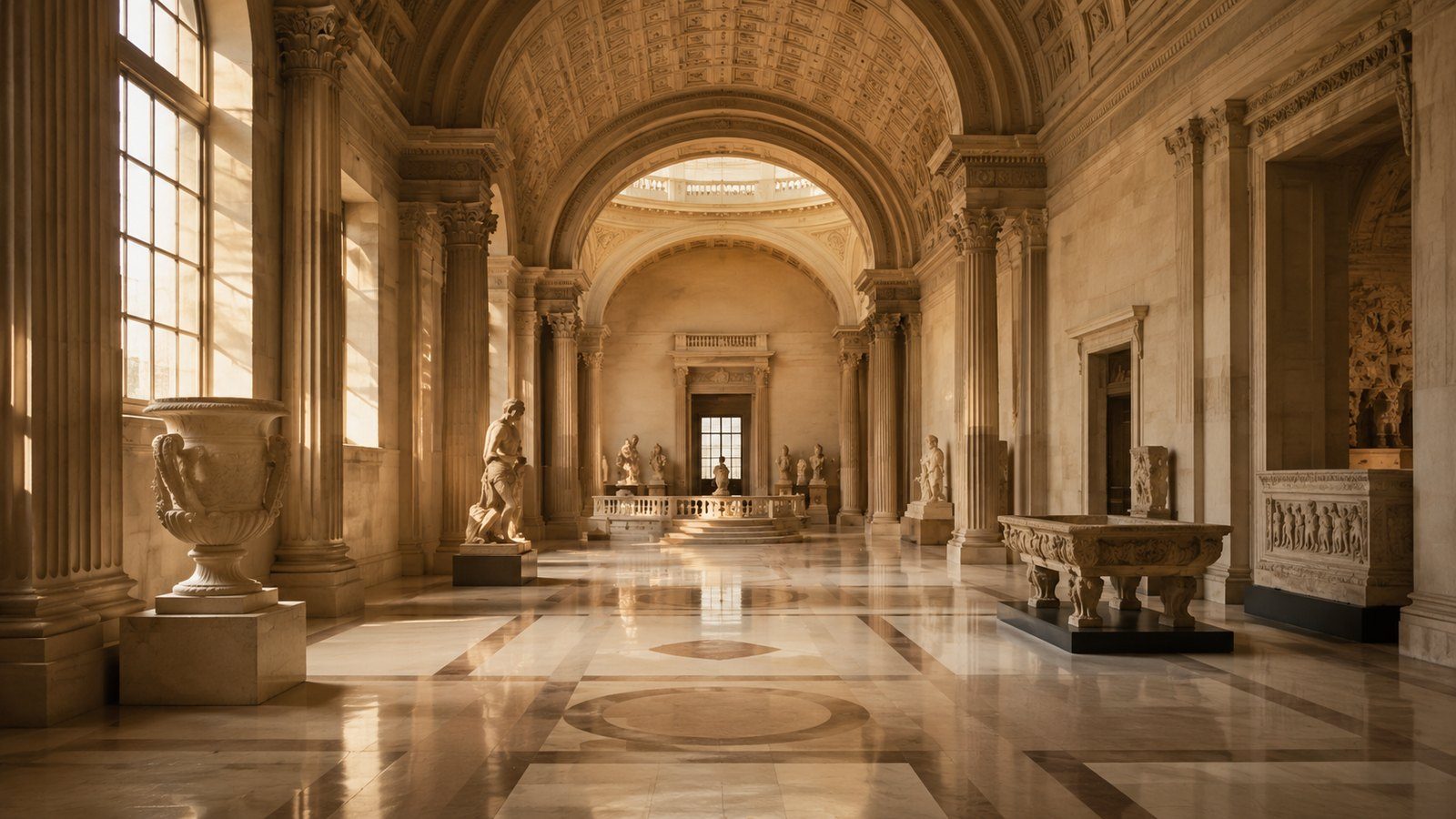
The Journey Museum in Rapid City welcomed visitors with open arms for its second annual summer festival, a celebration that has quickly become a cherished highlight of the region’s cultural calendar. This year’s festival, held over the weekend, brought together families, local artisans, history enthusiasts, and community members in a lively, engaging atmosphere that showcased the museum’s dedication to education, entertainment, and local heritage.
Set against the striking backdrop of the Black Hills, the festival beautifully leveraged the museum’s unique position as a gateway to understanding the rich history and natural wonders of South Dakota. The event was thoughtfully designed to offer something for every visitor. From interactive exhibits and live demonstrations to music and food, the festival provided a multi-sensory experience that rekindled a sense of wonder and connection to the area’s past and present.
One of the standout features of the festival was the participation of local artists and craftspeople. Their booths displayed handmade goods that drew inspiration from the region’s geology, indigenous cultures, and pioneer history. Visitors had the chance to watch skilled hands at work, whether carving, pottery-making, or beadwork, creating a tapestry of culture and skill that added depth to the museum’s already rich narrative.
The museum’s education team curated special programming for families and children, transforming the festival into an immersive learning experience. Storytellers brought to life the tales of Native American heritage, early settlers, and the natural environment through engaging narratives and hands-on activities. The enthusiasm of young explorers was palpable as they participated in fossil digs or crafted their own miniature artifacts, fostering a respect and curiosity for history that organizers hope will last a lifetime.
Live music and traditional dance performances enhanced the festival’s vibrant ambiance, connecting attendees to the rhythmic pulse of the region’s cultural traditions. The lineup included a variety of local musicians whose sounds ranged from heartfelt folk tunes to energetic, contemporary renditions of heritage music. This fusion highlighted the dynamic, living culture of the Black Hills region—a reminder that history is not only about the past but also about how those traditions continue to shape community identity today.
Food vendors added another delicious layer to the experience, offering a taste of regional cuisine that reflected the diversity and agricultural riches of South Dakota. From bison sliders to freshly harvested sweet corn, the culinary offerings complemented the festival’s warm, inclusive spirit and gave visitors a true sense of place.
Attendance appeared to surpass expectations, with many festival-goers expressing genuine appreciation for the event’s balance of education and entertainment. The Journey Museum’s second annual summer festival not only reinforced its role as a vibrant community hub but also highlighted its commitment to fostering a deeper understanding of the area’s unique history and culture. The event succeeded in making history accessible and enjoyable, inviting everyone to explore and celebrate the stories that have shaped the Black Hills and beyond.
Looking ahead, museum staff hinted at ambitions to expand the festival’s offerings in the coming years, perhaps incorporating even more interactive workshops, outdoor adventures, and collaborations with regional cultural institutions. This festival, still in its early stages, is poised to become an enduring tradition, enriching the summer months for locals and tourists alike.
In a world that often moves too fast, the Journey Museum’s summer festival offers a beautiful pause—a chance to slow down, engage with the past, and embrace the community spirit that thrives within Rapid City and the wider Black Hills region. It’s a reminder that museums are not just places to observe history but living spaces where culture, education, and joy intersect.
Join the discussion
Share a thoughtful museum note, correction, or visitor perspective about this article.