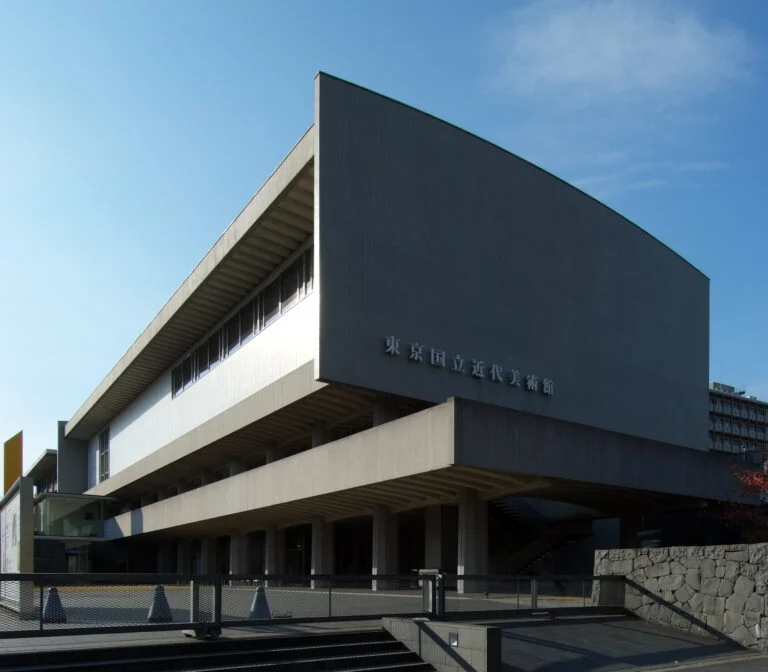
Edo-Tokyo Open Air Architectural Museum
Architecture Museums · Tokyo, Japan. The Edo-Tokyo Open Air Architectural Museum is a captivating local history and architectural museum located in Tokyo, Japan. It offers visitors a unique opportunity to explore a significant collection of historic buildings that vividly…

Best forScience, technology, hands-on learning
Setting / nearbyTokyo, Japan
Overview
The Edo-Tokyo Open Air Architectural Museum is a captivating local history and architectural museum located in Tokyo, Japan. It offers visitors a unique opportunity to explore a significant collection of historic buildings that vividly depict the architectural and cultural evolution of Tokyo from the Edo period through the early Showa era. The museum is an open-air venue where original structures have been carefully relocated, preserved, and restored within a spacious park setting, allowing visitors to step back in time and experience Tokyo’s urban and suburban life as it once was. It provides an immersive journey into Japan’s architectural heritage, revealing how social, economic, and technological changes shaped the city over centuries.
Collection Highlights
The museum’s collection consists of nearly 30 buildings that represent a broad cross-section of Edo and early modern Tokyo architecture. These structures include merchant houses, townhouses, farmhouses, a Western-style urban villa, a public bathhouse, and even a former stagecoach station. Many of the buildings retain their original interiors, furnishings, and fixtures as much as possible, offering visitors an authentic glimpse into daily life during different time periods.
One of the highlights is a traditional Edo-period merchant’s house that showcases wooden construction techniques, tatami-matted rooms, and sliding panels. Its design emphasizes both the merchant’s lifestyle and evolving urban culture. Another notable structure is a Meiji-era Western-style villa, illustrating the period’s blend of Japanese and Western architectural influences, reflecting Japan’s modernization efforts.
The museum also houses a reconstructed Tokyo Station building, capturing the importance of rail travel in shaping the city’s growth. Additionally, the open-air layout allows visitors to closely examine architectural details such as wooden joinery, clay tiles, tiled roofs, and paper shoji screens, which are emblematic of traditional Japanese construction methods. The collection is not simply a static display of buildings; seasonal events, workshops, and demonstrations related to traditional crafts and building techniques often provide educational and engaging experiences.
Building and Setting
The museum is located within Koganei Park, a large, leafy public space that enhances the contemplative atmosphere around the historic buildings. The natural setting with mature trees, walking paths, and open lawns creates a harmonious backdrop for experiencing the museum’s purpose: to preserve and present the architectural heritage of Tokyo in a living environment. The buildings are arranged in clusters according to their original neighborhood contexts or architectural styles, facilitating a thematic exploration of Tokyo’s diverse urban history.
The open-air design allows visitors to freely wander among the structures, providing opportunities to appreciate each building’s form and function from multiple angles. This spatial arrangement also contrasts with traditional indoor museums, as it emphasizes the relationship between architecture and the surrounding landscape, which is central to understanding Japanese architectural philosophy.
Practical Information
Visitors planning a trip to the Edo-Tokyo Open Air Architectural Museum should be aware that opening hours and ticketing policies may vary seasonally or in response to special events. It is recommended to verify current operational hours, admission fees, and any reservation requirements ahead of time through the museum's official website or contact points.
The museum is accessible by public transportation with connections to central Tokyo, usually involving a combination of train and bus routes. There are clear signposts from the nearest stations, and the open layout generally makes navigability straightforward, though it is helpful to pick up a map or guide upon entry. Facilities include a visitor center, restrooms, and a small café for light refreshments, supporting a comfortable day-long visit.
The museum grounds offer stroller and wheelchair accessibility, though the historic nature of some buildings means entry might be limited in certain cases. Visitors interested in photography should note specific guidelines, as some interiors may have restrictions to protect the fragile interiors and artifacts.
Why Visit
The Edo-Tokyo Open Air Architectural Museum is an essential destination for anyone interested in Japanese culture, architecture, and urban history. It provides a rare and tangible connection to Tokyo’s past, an anchor amid the city’s rapid modern growth and transformation. Unlike conventional museums that often display artifacts behind glass, this open-air museum invites a more intimate and spatial experience, where visitors can feel the craftsmanship and human stories embedded in the walls and rooms of these buildings.
For architects, historians, students, and cultural enthusiasts, the museum offers invaluable insight into traditional building methods and living environments that continue to influence contemporary design. The combination of Edo-period simplicity with early 20th-century Western influences encapsulates Japan’s dynamic adaptation and blending of cultures.
Beyond the academic appeal, the museum’s serene park setting provides a peaceful retreat from the urban hustle, making it a refreshing cultural excursion for families, tourists, and locals alike. Seasonal events and workshops further enrich the visitor experience, allowing participation in traditional crafts or learning about preservation techniques.
Overall, the Edo-Tokyo Open Air Architectural Museum stands as a vivid and engaging tribute to Tokyo’s architectural heritage, offering a warm invitation to explore and appreciate the city’s historic essence. It is a place where history, culture, and community converge, deserving a prominent spot on any itinerary when visiting Tokyo.
For the most accurate and up-to-date information, including opening hours and ticket pricing, visitors should consult the official website before planning their visit.