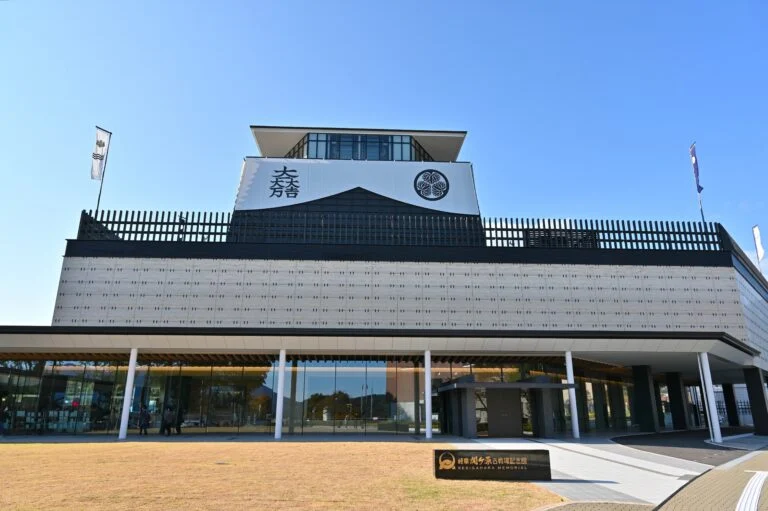
Aizu Bukeyashiki Review
Military Museums · Aizuwakamatsu, Japan. Aizu Bukeyashiki is a preserved samurai residence located in Aizuwakamatsu, Japan, offering a unique window into the lives of samurai families during the Edo period. The Aizu domain, known historically for its fiercely loyal…
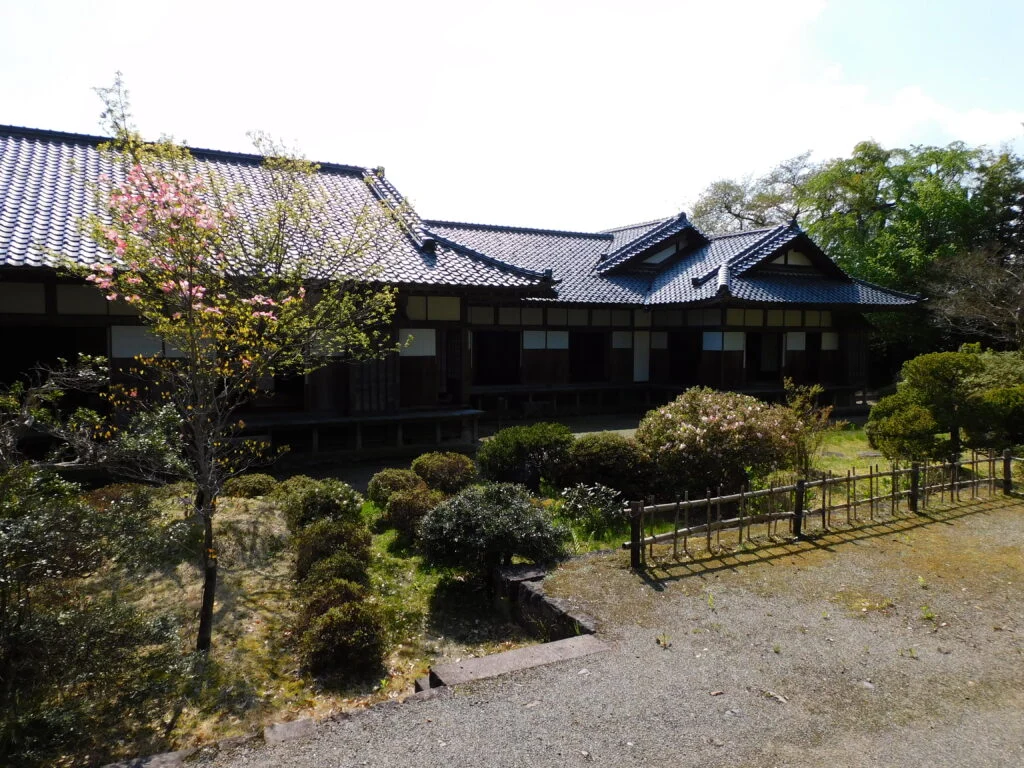
Military Museums · Aizuwakamatsu, Japan. Aizu Bukeyashiki is a preserved samurai residence located in Aizuwakamatsu, Japan, offering a unique window into the lives of samurai families during the Edo period. The Aizu domain, known historically for its fiercely loyal…
Best forTransport history, engineering, families
Review focusCollection, storytelling, practical visit
Historical Context
Aizu Bukeyashiki is a preserved samurai residence located in Aizuwakamatsu, Japan, offering a unique window into the lives of samurai families during the Edo period. The Aizu domain, known historically for its fiercely loyal samurai warriors, played a pivotal role in the late feudal era, especially during the Boshin War in the mid-19th century. This residence served as the home of a high-ranking samurai family and is emblematic of the social structure, culture, and architectural style of the time. The estate reflects the strict codes of samurai conduct, blending functional military necessities with refined domestic aesthetics. It also illustrates the socio-political climate of the era, where loyalty and honor were paramount. Preserving such sites allows a deeper appreciation of the everyday lives behind the samurai legend, demystifying the mythic warrior by showcasing their domestic surroundings and household operations.
What You See on Arrival
Upon arrival at Aizu Bukeyashiki, visitors are greeted by a tranquil estate set within carefully maintained gardens that evoke the serenity associated with traditional Japanese aesthetics. The approach to the residence itself is unassuming, typical of samurai homes which often favored practical concealment over ostentation. Visitors can immediately observe the traditional wooden architecture, characterized by tiled roofs, paper shoji screens, and earthen walls that hint at the residence's defensive origins. The layout is thoughtfully designed with a main gate that leads into successive courtyards, creating a transition from the outside world into a private, insular environment. On the grounds, finely tended gardens accentuate the overall atmosphere, featuring seasonal flora and stone arrangements that exemplify the period’s artistic sensibilities. The immediate visual impression is one of disciplined orderliness and historical authenticity, setting an appropriate tone for the interior exhibitions.
Highlights and Key Exhibitions
The heart of Aizu Bukeyashiki lies within its well-preserved rooms and the artifacts displayed, offering revealing insights into samurai domestic life. The exhibition spaces showcase a variety of personal belongings, from traditional armor and weaponry to everyday household items such as tea ceremony utensils and clothing. Each room serves a distinct purpose, illustrating different aspects of samurai life, from formal reception areas to more private living quarters. Of particular note is the study room, where detailed calligraphy and mounted scrolls provide a glimpse into the intellectual pursuits and cultural refinement expected of samurai families. The residence also features displays on the role of women within these households, highlighting their responsibilities and status. The integration of historical narrative with tangible objects allows visitors to piece together a comprehensive understanding of the period’s social fabric. Although the focus is primarily on the Edo period, references to the samurai’s transition during the Meiji Restoration provide a valuable historical context, underscoring the broader implications of Japan’s modernization.
Visitor Experience
A visit to Aizu Bukeyashiki offers a contemplative and educational journey into Japan’s feudal past. The atmosphere is peaceful, with few distractions, encouraging visitors to absorb the details of each room and artifact carefully. Interpretative materials are available, often providing bilingual explanations that enhance accessibility for international visitors. The spatial arrangement encourages a natural flow through the residence, which helps delineate the sociocultural hierarchy within the home. The presence of quiet gardens where visitors can pause adds a restorative component to the experience, balancing the more academic aspects of the exhibition. Staff members are typically knowledgeable and approachable, ready to answer questions, though the overall setting leans towards a self-guided exploration. While photography rules are clearly communicated, the opportunity to capture the traditional architecture and serene environment adds to the visit’s appeal. The museum’s commitment to preserving authenticity without heavy commercialization ensures an experience that respects the solemnity of its subject matter.
Tickets, Access, and Planning
Aizu Bukeyashiki is conveniently situated within Aizuwakamatsu, accessible by public transport and a short walk from the city center, which makes it easy for visitors to integrate the visit into broader regional itineraries. Ticket prices are reasonable, reflecting both the historical significance of the site and the domestic market's expectations. Discounts are often available for students, seniors, and groups, enhancing accessibility. Opening hours align well with typical sightseeing schedules, though visitors should note seasonal variations or special closure days which are listed on the official website. Facilities include basic amenities such as restrooms and a modest gift shop featuring culturally relevant souvenirs and publications that deepen the educational experience. Clear signage throughout the premises aids navigation, and while wheelchair access is limited due to the historic nature of the buildings, the curators have made efforts to provide alternative viewing options where possible. For those planning an extended stay in Aizuwakamatsu, the museum’s location near other cultural landmarks makes it an ideal stop on a comprehensive tour.
Final Verdict
Aizu Bukeyashiki stands out as a meticulously preserved cultural relic that deepens understanding of samurai life beyond the battlefield. Its strength lies in the authentic presentation of a samurai household, marrying architectural preservation with thoughtfully curated artifacts and contextual information. The museum successfully conveys both the martial and domestic dimensions of samurai existence, contributing to a fuller appreciation of Japanese history and culture. While the experience may appeal most directly to those with an interest in feudal Japan or historical architecture, the serene surroundings and clear educational narrative offer something rewarding for general cultural tourists as well. Though accessibility challenges inherent to historic sites remain, they do not significantly detract from the overall visit. In sum, Aizu Bukeyashiki is a valuable destination for anyone wishing to explore the complexities of samurai society and its enduring legacy within the heart of Aizuwakamatsu.