
Fort Wayne Dance Collectives Unframed Reimagines Museums as Living, Breathing Spaces Through Dance
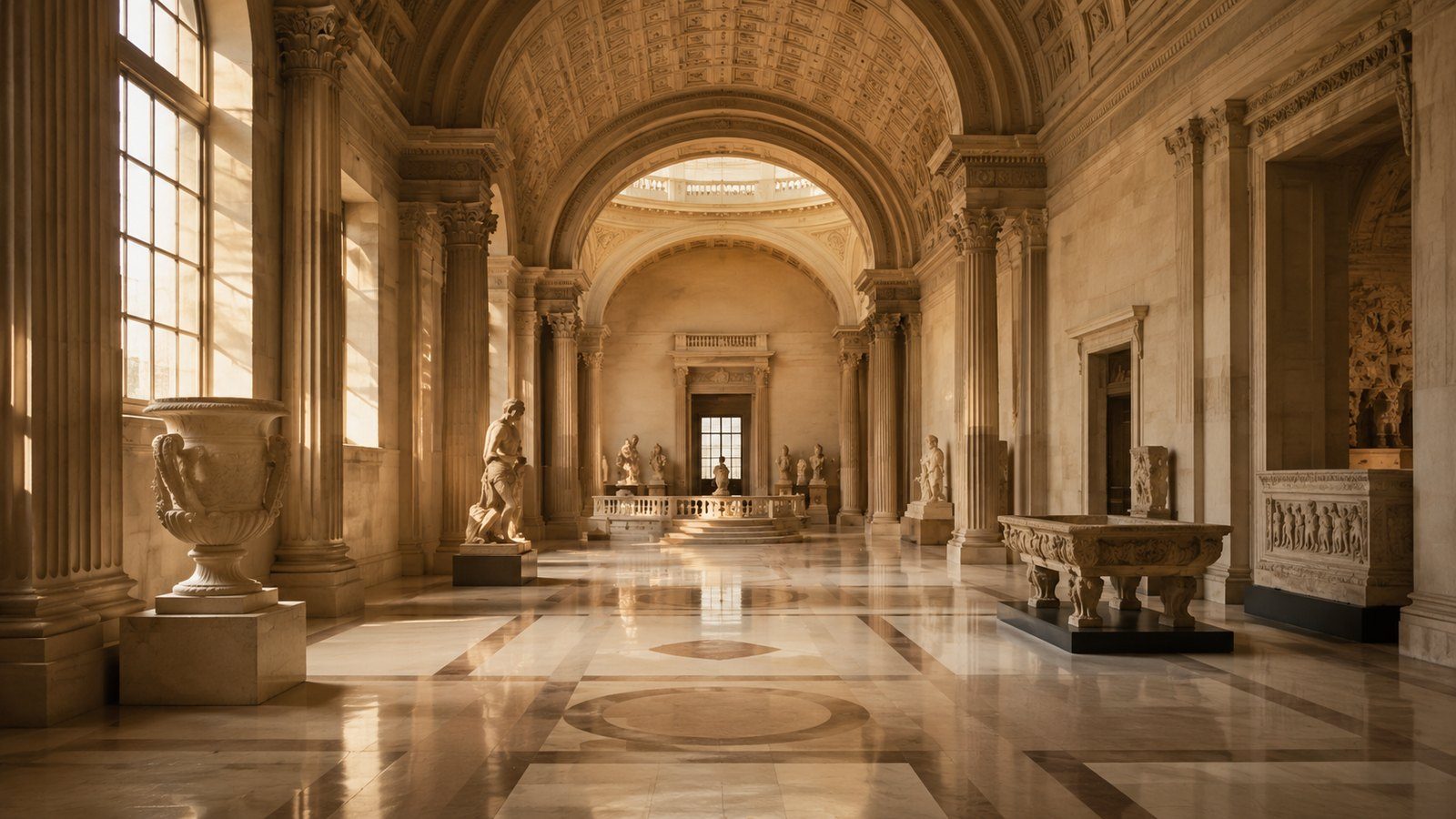
In a captivating new performance titled “Unframed,” the Fort Wayne Dance Collective invites audiences to embark on a unique journey through an imaginary museum—a space where art, movement, and storytelling meld seamlessly. This innovative production, recently presented to enthusiastic audiences, challenges the traditional boundaries of museum experiences by transforming them into a dynamic interplay of dance and narrative exploration.
“Unframed” is not a conventional exhibit anchored by static objects behind glass—it breathes, moves, and evolves with every gesture and step taken across the stage. The Collective’s dancers act as both curators and exhibits, guiding viewers through a museum that exists largely in the imagination. As patrons watch, they are drawn into a series of vignettes inspired by the sheer diversity of art forms typically found in museums—from classical paintings and sculptures to avant-garde installations and ephemeral expressions of culture.
The physical space of the performance intentionally evokes the quiet hushed atmosphere of a revered institution, yet subverts expectations by filling it with kinetic energy. One moment, the audience might be swept away by a graceful pas de deux that evokes the elegance of a Renaissance portrait; the next, they encounter fragmented, fragmented movements that reflect contemporary abstract expressionism. This fluid navigation between styles and moods mirrors the ebb and flow of emotions one experiences when wandering through real museum galleries—curiosity, wonder, reflection, even surprise.
What stands out most profoundly in “Unframed” is how the Fort Wayne Dance Collective embraces the concept of imagination as a museum in itself. By blurring the line between observer and participant, they invite reflection on the nature of art collections, and the ways in which meaning is constructed not only by creators but by those who engage with their works. The performance subtly asks: What happens when art is no longer confined to walls and frames, but instead moves and breathes in dialogue with the body and space?
The choreography is meticulously crafted, balancing technical prowess with emotional resonance. Each dancer’s movements appear both deliberate and spontaneous, echoing the tension between preservation and transformation that museums wrestle with daily. This duality is also reflected in the piece’s title—“Unframed”—a clever nod both to art’s traditional boundaries and to the freedom found in stepping beyond them.
Audience members responding to the performance shared that the experience left them with a renewed appreciation for how museums can evolve to engage senses beyond just sight and sound. The work encourages viewers to consider museums as living entities, responsive and interactive, rather than static repositories of the past. It also points to a future where interdisciplinary collaborations—like dance intersecting with visual arts—might redefine cultural institutions for new generations.
In a cultural landscape where museums are often challenged to stay relevant amid rapid societal shifts, “Unframed” offers a refreshing perspective. It celebrates creativity not only in the art housed within museums, but in how museums themselves can be thoughtfully reimagined. Thanks to the Fort Wayne Dance Collective’s skillful blending of imagination and movement, audiences leave with more than memories of a dance; they depart with a richer sense of how art and history pulse through the present moment.
For those seeking an experience that transcends typical expectations, “Unframed” is a compelling reminder that art exists as much in the spaces between frames—between moments and movements—as it does within them. It’s a testament to the enduring power of creative reinvention, inviting us all to imagine museums anew.
Join the discussion
Share a thoughtful museum note, correction, or visitor perspective about this article.