Memory and Tolerance Museum Review
Architecture Museums · Mexico City, Mexico. The Memory and Tolerance Museum, situated in Mexico City, Mexico, is a vital institution dedicated to fostering awareness and understanding of human rights, peace, and social justice through remembrance and education. Established in re…

Architecture Museums · Mexico City, Mexico. The Memory and Tolerance Museum, situated in Mexico City, Mexico, is a vital institution dedicated to fostering awareness and understanding of human rights, peace, and social justice through remembrance and education. Established in re…
Best forScience, technology, hands-on learning
Review focusExhibits, interpretation, visitor flow
Historical Context
The Memory and Tolerance Museum, situated in Mexico City, Mexico, is a vital institution dedicated to fostering awareness and understanding of human rights, peace, and social justice through remembrance and education. Established in response to both global and local histories of violence, discrimination, and intolerance, the museum serves as a solemn reminder of past atrocities and a beacon for promoting tolerance in contemporary society. It highlights a range of historical episodes, from the Holocaust and genocides to systemic discrimination experienced in various parts of the world. Its foundation reflects Mexico’s engagement with international human rights discourse, positioning the museum as a site for reflection on the universal consequences of hatred and prejudice. The museum’s mission extends beyond commemoration; it actively encourages visitors to learn from history to prevent future tragedies. This dual focus on memory and tolerance situates the institution as a bridge between history, ethics, and social activism, making it an essential stop for those interested in the intersection of culture, history, and human rights advocacy.
What You See on Arrival
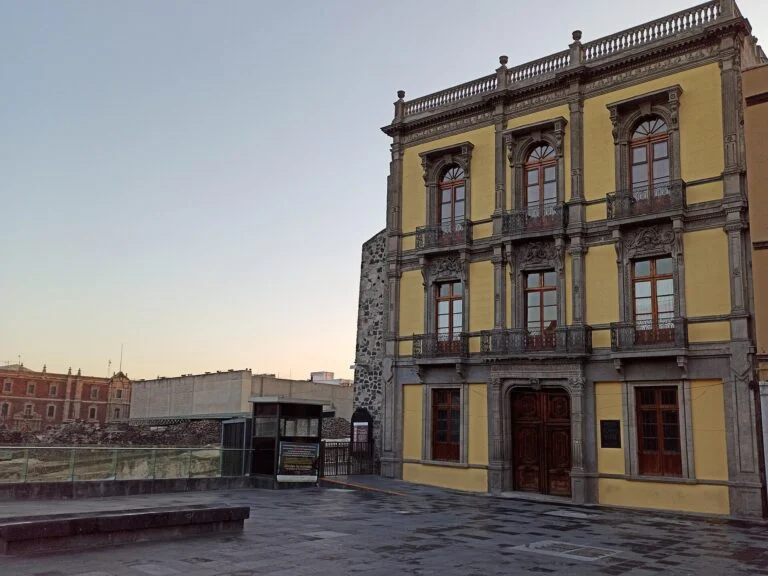
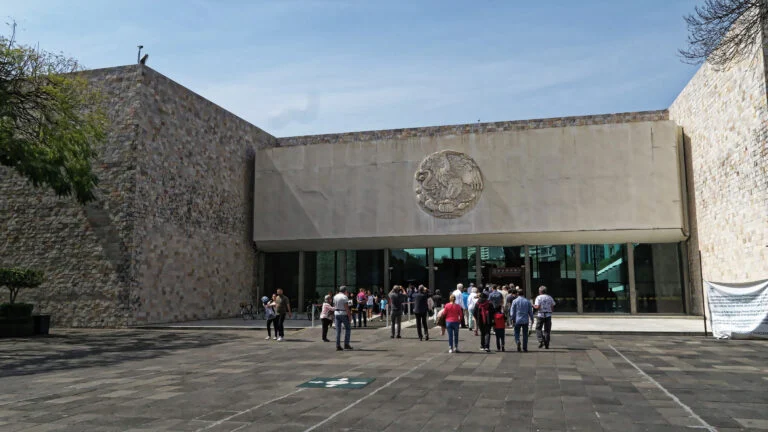
Approaching the Memory and Tolerance Museum, visitors are met with a striking modernist architectural design that combines stark lines and open spaces, inviting contemplation before even entering the building. The facade’s minimalist aesthetic contrasts with the emotional weight of the museum’s contents, employing a quiet dignity that underscores the gravity of its themes. The entrance area is spacious, well-lit, and thoughtfully arranged, with clear signage and a sense of calm that prepares visitors for the educational journey inside. Immediately noticeable are outdoor installations and plaques that hint at the subjects explored within, geared toward setting the tone of remembrance and reflection. The surrounding environment, situated in a prominent district of Mexico City, allows for easy approach via public transport, enhancing accessibility. This initial experience is designed to ground visitors in the museum’s core mission: a solemn acknowledgement of past tragedies and a hopeful appeal for a more tolerant future.
Highlights and Key Exhibitions
The Memory and Tolerance Museum is renowned for its carefully curated permanent exhibitions that confront some of the 20th and 21st centuries’ most devastating conflicts and acts of intolerance. One notable section is dedicated to the Holocaust, providing a comprehensive overview through survivor testimonies, photographs, and artifacts that document the horrors of genocide. The exhibition is not limited to European history but also addresses other mass atrocities, including the Rwandan genocide and the atrocities committed against indigenous peoples in various regions.
Another key theme is discrimination in its diverse forms, including racism, xenophobia, homophobia, and religious intolerance. Interactive displays encourage visitors to examine their own biases and consider the societal structures that perpetuate inequality. The museum employs multimedia presentations to translate complex historical narratives into accessible, impactful experiences.
Educational spaces within the museum focus on the concepts of peacebuilding and the importance of tolerance as a social value. This is reinforced by dedicated rooms that provide resources for schools, educators, and community groups, showcasing the museum’s role not just as a repository of memory but as an active agent in social transformation.
Visitor Experience
The visitor journey through the Memory and Tolerance Museum is thoughtfully designed to balance emotional impact with educational clarity. The layout guides individuals and groups through a chronological and thematic progression that gradually deepens understanding of the causes and consequences of intolerance worldwide. Audio guides, detailed informational panels, and interactive stations cater to diverse learning styles, enhancing engagement for a broad audience.
The museum staff are known for their professionalism and willingness to assist, fostering a respectful atmosphere that suits the sensitive nature of the exhibitions. The contemplative spaces interspersed among the exhibits provide moments for reflection, helping visitors process the often difficult subject matter. Additionally, the museum maintains a conducive environment for school groups and families, offering tailored programs that facilitate meaningful discussions on empathy and human rights.
Photographic restrictions in certain sections underscore the institution’s commitment to respectful commemoration, emphasizing the gravity of the content displayed. Overall, the museum experience strikes a balance between evoking empathy and providing rigorous historical analysis, which is essential for deepening public understanding of social justice issues.
Tickets, Access, and Planning
Planning a visit to the Memory and Tolerance Museum is straightforward, supported by a user-friendly website that offers up-to-date information regarding opening hours, ticket pricing, and guided tour options. Admission fees are modest, reflecting the museum's educational mission and ensuring accessibility for a wide audience. Discounts and free entry policies are available for students, seniors, and large groups, which further encourages community engagement and inclusivity.
The museum’s location in Mexico City is well-serviced by various forms of public transportation, including metro and bus lines, facilitating easy access for both locals and tourists. Parking facilities cater to those arriving by car. Accessibility for visitors with disabilities is commendable, with ramps, elevators, and adapted restrooms thoughtfully provided to ensure an inclusive experience.
Given the emotionally charged subject matter, the museum also advises potential visitors to consider their personal comfort before delving into certain exhibitions. The official website offers practical information regarding timed entry and suggested visit durations, helping individuals plan their visit efficiently. Educational resources and virtual content are available for those unable to visit in person, broadening the institution’s reach beyond its physical walls.
Final Verdict
The Memory and Tolerance Museum stands out as an essential cultural and educational institution within Mexico City and beyond, addressing critical themes of human rights and social justice with sensitivity and rigor. Its integration of historical memory with contemporary activism creates a powerful platform for reflection and learning that resonates deeply in our global context where intolerance continues to challenge societies everywhere.
Architecturally impressive yet understated, the museum’s physical environment supports an experience that is both impactful and accessible. Its permanent exhibitions offer a comprehensive overview of some of the darkest episodes in modern history without overwhelming visitors, ensuring that the path toward understanding is clear and engaging. The museum’s commitment to education and outreach is a strong aspect, actively positioning it as a hub for community dialogue and action.
While the museum primarily focuses on enduring historical themes, its ability to connect those to current issues of prejudice and violence makes it relevant to contemporary audiences. Those seeking a profound exploration of the forces behind hatred and the mechanisms of social healing will find the Memory and Tolerance Museum an invaluable resource. It challenges visitors not only to remember but to act—making tolerance a personal and collective imperative.