Robben Island Museum
UNESCO Museums · Cape Town, South Africa. The Robben Island Museum, located just off the coast of Cape Town, South Africa, stands as a poignant symbol of resilience, freedom, and the enduring human spirit. This historic site is a living museum…
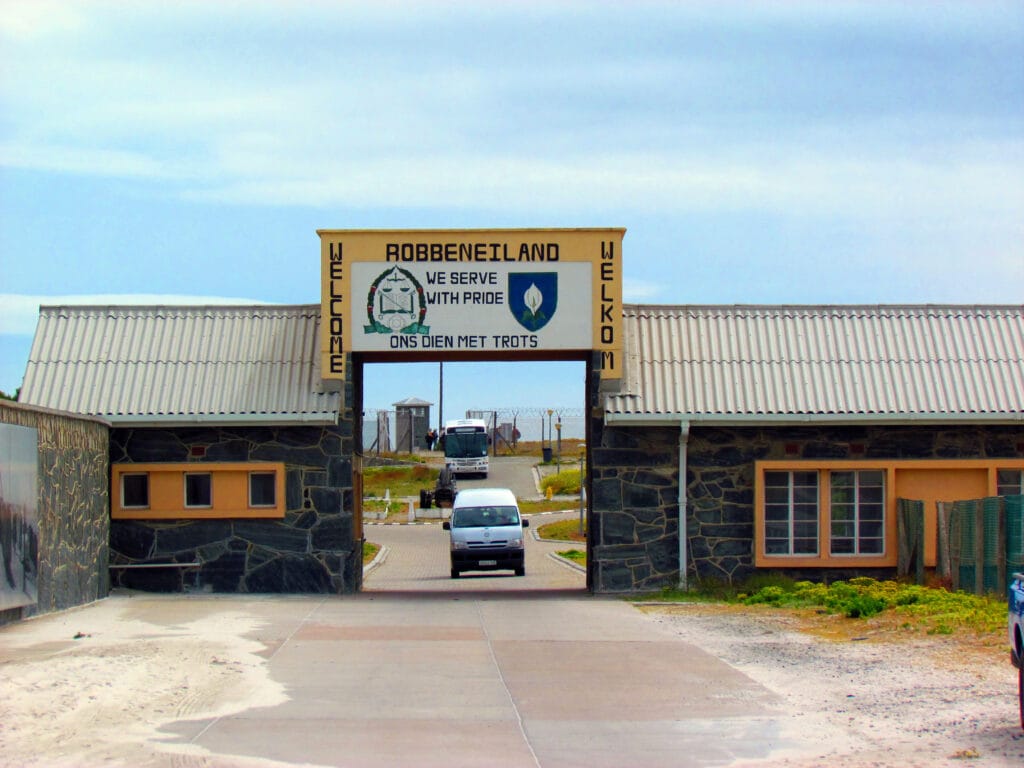
Best forMemory, history, reflective visits
Setting / nearbyThe historic structures that once served as part of the prison complex, including the cell
Overview
The Robben Island Museum, located just off the coast of Cape Town, South Africa, stands as a poignant symbol of resilience, freedom, and the enduring human spirit. This historic site is a living museum dedicated to preserving the complex history of Robben Island, which served variously as a prison, quarantine station, and leper colony before becoming internationally known as the place where Nelson Mandela and many other political prisoners were held during the apartheid era. The museum offers visitors a profound opportunity to engage with South Africa’s struggle for democracy and human rights, set against the striking backdrop of the island’s natural beauty and its turbulent past. As a cultural and historical institution, it plays a crucial role in educating both locals and global visitors about the sacrifices made in the pursuit of justice and equality.
Collection Highlights
The Robben Island Museum’s collection is both evocative and deeply moving, focusing primarily on its history as a political prison and a center of resistance against apartheid. Exhibits are thoughtfully curated to provide insight into the lives of prisoners, the harsh conditions they endured, and the broader socio-political context of apartheid South Africa. Among the key highlights are the cell blocks where Nelson Mandela and other prominent leaders were incarcerated, which remain largely preserved in their original state to convey the starkness of prison life.
Artifacts include personal belongings of prisoners, handmade crafts and writings created under difficult circumstances, and various items used by prison guards and staff. The museum also houses extensive archival materials such as photographs, documents, and oral histories. These serve to deepen the visitor’s understanding of the events that unfolded on the island and their impact on South African history.
Guided tours, often led by former political prisoners or knowledgeable guides, provide firsthand accounts that enrich the narrative, making history tangible and relatable. The tours typically include a ferry trip from Cape Town to the island, adding to the immersive experience. Visitors may also encounter interpretive panels and multimedia presentations that contextualize the struggle for freedom within global human rights movements.
Building and Setting
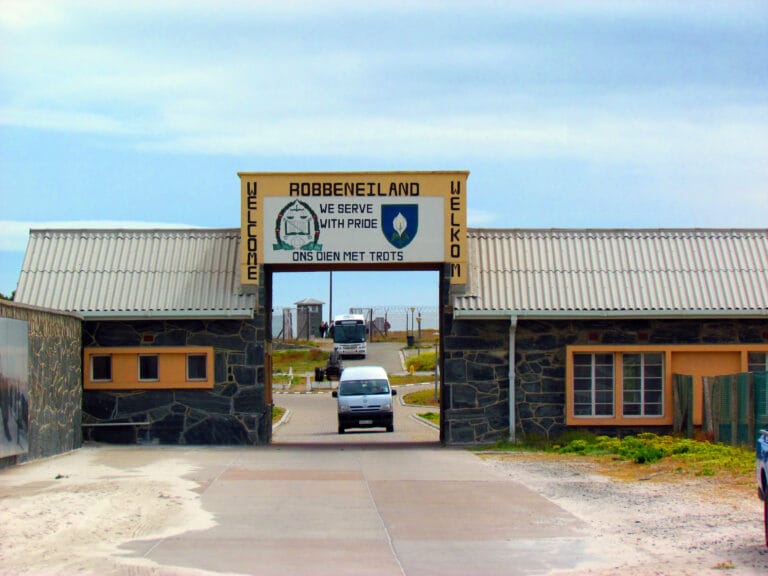
Robben Island itself is a UNESCO World Heritage Site, recognized for both its historical significance and its diverse ecosystem. The island’s natural setting includes rugged coastlines, wildlife habitats, and sweeping views of Table Mountain and the Cape Town shoreline. The museum is situated within the historic structures that once served as part of the prison complex, including the cell blocks, a former lime quarry where prisoners were forced to work, and other administrative buildings.
The preservation of these buildings emphasizes the stark contrast between the island’s beauty and the harsh reality of imprisonment. Walking through these spaces provides a powerful sense of place, allowing visitors to physically connect with the historical narrative. Encounters with the island’s flora and fauna, such as rare bird species and small mammal populations, also add an ecological dimension to the visit.
Facilities on the island are maintained to respectful and functional standards, ensuring that the museum experience is both informative and comfortable. Visitors should be prepared for the outdoor nature of much of the site, and the possibility of changing weather conditions.
Practical Information
The Robben Island Museum is accessible by ferry from the V&A Waterfront in Cape Town, making it a convenient day trip for visitors to the city. The journey across Table Bay typically lasts around 30 minutes, offering scenic views and a sense of anticipation before arrival. It’s important to note that the ferry schedule and visitor access can be influenced by weather conditions, and sometimes operational changes occur, so verifying timing prior to planning your trip is recommended.
Tickets for the museum and ferry are generally available online and at the departure point, with options for guided tours and self-guided visits. Due to the popularity of the museum and ferry service, especially during peak tourist seasons, it is advisable to book tickets in advance to avoid disappointment.
Visitors should be prepared for a significant amount of walking and moderate physical activity during the tours, which can last several hours. Comfortable footwear, sun protection, and sufficient water are advisable. The museum provides interpretive materials and audio guides in multiple languages, enhancing accessibility for an international audience.
Given that operational details like opening hours, ticket prices, and availability of tours can change, it is prudent for prospective visitors to consult the official Robben Island Museum website or contact their customer service directly to confirm current information ahead of any planned visit.
Why Visit
Visiting the Robben Island Museum offers an unparalleled opportunity to engage deeply with South Africa’s history and the global story of human rights and social justice. The museum serves not only as a memorial to those who suffered under apartheid but also as a beacon of hope and reconciliation. Its unique combination of historical, educational, and natural elements creates a compelling and memorable experience that resonates with a wide range of visitors.
The insight gained here goes beyond textbooks and documentaries, allowing one to reflect on the courage and endurance of individuals who helped shape a nation’s destiny. Visitors often leave with a renewed understanding of the ongoing importance of freedom, dignity, and equality.
Moreover, the journey to Robben Island itself – across the waters that separate the island from Cape Town – is symbolic and evocative, enriching the interpretive experience. The island’s status as a World Heritage Site ensures that its preservation remains a priority, allowing future generations to learn from this significant chapter in history.
For those interested in history, politics, human rights, or simply seeking a meaningful cultural experience while in Cape Town, the Robben Island Museum is an essential destination. It invites reflection, dialogue, and appreciation for the profound struggles and triumphs that define South Africa’s journey.