Musée Carnavalet Review
Decorative Arts Museums · Paris, France. The Musée Carnavalet, dedicated to the history of Paris, stands as a significant cultural institution nestled in the Marais district of the French capital. Established in 1880, the museum occupies two adjacent Renaissance-era mansions,…
Decorative Arts Museums · Paris, France. The Musée Carnavalet, dedicated to the history of Paris, stands as a significant cultural institution nestled in the Marais district of the French capital. Established in 1880, the museum occupies two adjacent Renaissance-era mansions,…
Best forMasterpieces, architecture, cultural history
Review focusCollection highlights, building, visitor flow
Historical Context
The Musée Carnavalet, dedicated to the history of Paris, stands as a significant cultural institution nestled in the Marais district of the French capital. Established in 1880, the museum occupies two adjacent Renaissance-era mansions, the Hôtel Carnavalet and the Hôtel Le Peletier de Saint Fargeau, which themselves are architectural testaments to Parisian history. The museum's foundation was motivated by a desire to preserve and present the rich and multifaceted story of Paris, spanning from its origins through various political upheavals, social transformations, and cultural movements. Its collections and exhibits chronicle the city’s growth and its role as a center of art, politics, and innovation. The Musée Carnavalet’s narrative unfolds through a wide range of artifacts, artworks, and documents, offering visitors an in-depth look at the capital’s evolution from ancient times to the present day. It is one of the premier sites for those keen to understand Paris through the centuries, beyond the more commonly visited art-focused museums.
What You See on Arrival
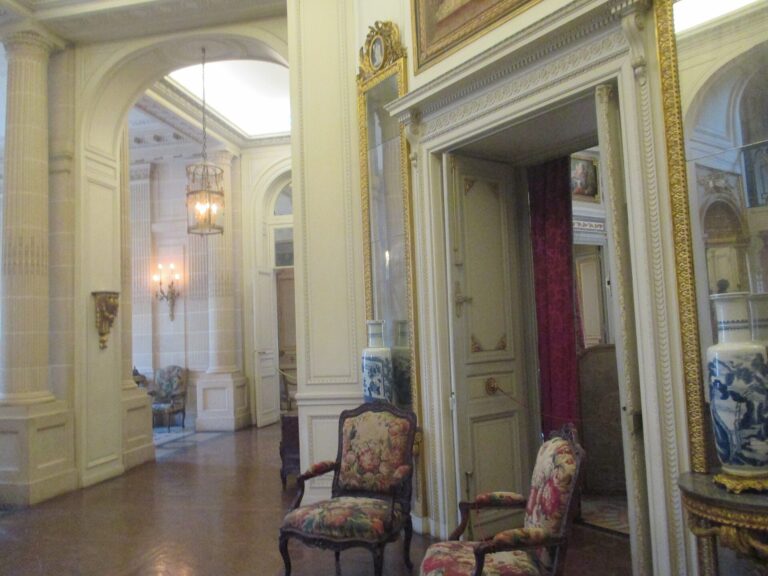
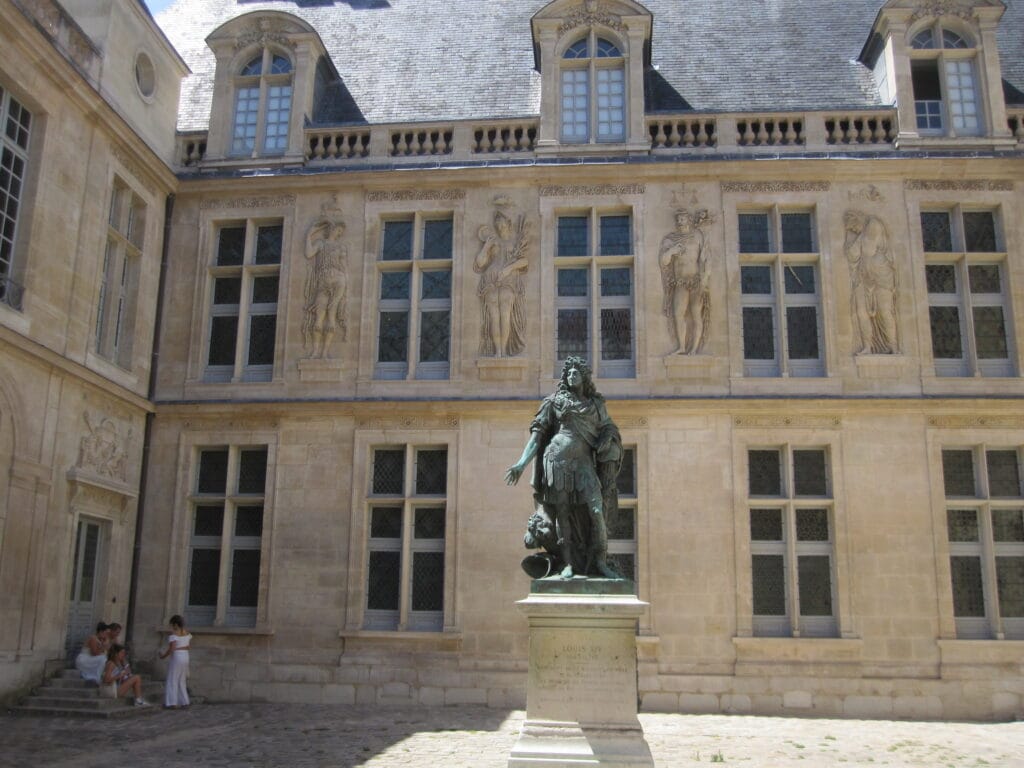
Approaching Musée Carnavalet, visitors first encounter the distinguished façade of the Hôtel Carnavalet, framed by classical stone architecture emblematic of Paris’ heritage. The building’s grand yet inviting presence signals its dual role as both a historic residence and a museum. The entrance opens onto a serene courtyard, where manicured gardens and period details create a quiet prelude to the historical journey inside. The atmosphere here contrasts the bustling Parisian streets surrounding it, establishing a calm and contemplative setting. Upon entry, the visitor is immediately engulfed in a sense of stepping back in time, with interiors that retain much of their original character, including wood paneling, ornate fireplaces, and decorative plasterwork. This blend of historical architecture and museum function is a distinctive feature of the Musée Carnavalet, inviting guests to explore not only the exhibits but the very walls of Paris’ past.
Highlights and Key Exhibitions
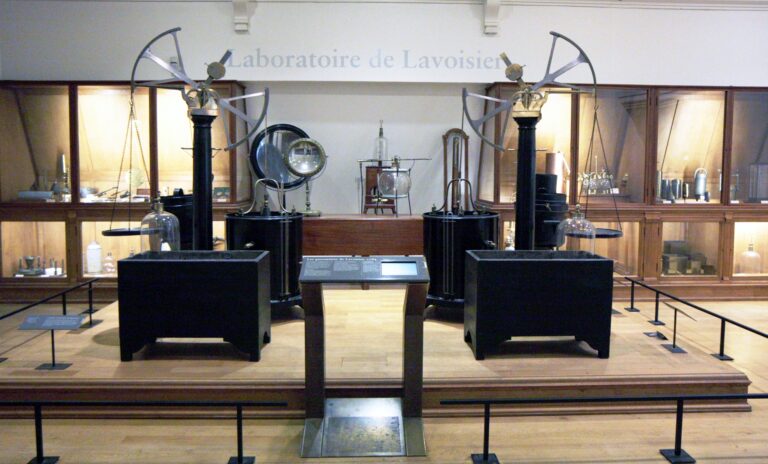
The Musée Carnavalet’s collection encompasses an extensive array of objects that narrate Parisian history across multiple eras. Among its most compelling highlights are the artifacts from the French Revolution, which provide vivid insights into one of the city’s most tumultuous epochs. Revolutionary memorabilia, portraits of key figures, and period furnishings create a visceral sense of the upheaval and transformation of the late 18th century. Another significant section focuses on the Hôtel Carnavalet itself, presenting recreations of interior rooms that showcase the lifestyle and tastes of Parisian aristocracy during the 17th and 18th centuries.
The museum also houses impressive collections of paintings, sculptures, photographs, and maps that document the city’s urban development and its changing artistic landscape. Particularly noteworthy are the works illustrating the Belle Époque and the early 20th century, highlighting Paris as the epicenter of avant-garde culture and modernity. The extensive decorative arts collection enriches the narrative by providing a tangible connection to everyday life in historic Paris. Throughout the museum, visitors find carefully curated displays that balance major historical events with the social and cultural fabric that defined each period.
Visitor Experience
The Musée Carnavalet caters to a wide range of interests, making it accessible to history enthusiasts, art lovers, and casual visitors alike. Its layout, spread over several floors in two historic buildings, allows for a chronological exploration of Paris with thematic sections that aid comprehension. Informational plaques and multimedia guides offer detailed explanations, though reading these can be time-consuming, necessitating a paced visit to absorb the full depth of content. The museum’s atmosphere is quiet and respectful, encouraging contemplation.
Signage and museum literature are primarily in French, with English translations provided for major texts; however, some niche exhibitions may have limited language options, which could challenge non-French speakers seeking deeper understanding. The design of the galleries respects the original architecture, sometimes creating intimate spaces that might feel a bit cramped, but this also enhances the sense of historical authenticity. The museum’s staff are professional and available to assist, contributing to a welcoming experience. Facilities including rest areas and a modest café allow for breaks between extensive explorations.
Tickets, Access, and Planning
Musée Carnavalet benefits from its central location in Paris, easily reachable by public transport including metro and bus lines. This accessibility makes it convenient for both tourists and residents. Entrance to the permanent collection is typically free, a noteworthy advantage in a city known for its entry fees to cultural institutions. However, special exhibitions, when held, may require separate tickets. Operating hours are standard for Paris museums, generally mid-morning to early evening, but closures on certain weekdays and holidays should be considered when planning a visit.
Accessibility for visitors with mobility impairments is an area of ongoing improvement. Although elevators and ramps exist, the historic nature of the buildings imposes certain limitations on full access to all galleries. Visitors with specific needs are advised to consult the museum’s official resources or contact staff ahead of their visit to ensure accommodations can be arranged. Early arrival is recommended to avoid peak times, especially during high tourist seasons, as this helps in managing the narrow galleries and keeping a comfortable pace through the exhibits. Photography within the museum is allowed without flash, which encourages engagement with the displays while preserving artifacts.
Final Verdict
Musée Carnavalet stands as an indispensable destination for anyone seeking a comprehensive and nuanced understanding of Parisian history. Its unique setting within two historic mansions enhances its narrative power, as the museum itself acts as a living artifact of the city’s evolution. The breadth and depth of its collections offer a compelling overview of Paris from its ancient origins through revolutionary transformations and into modern cultural significance. While certain practical considerations, such as limited English-language support and accessibility constraints, may temper the experience for some, these do not substantially detract from the museum's overall appeal.
For visitors who appreciate history within an authentic architectural context and prefer a profoundly immersive experience, Musée Carnavalet is well worth the time invested. It diverges from the city’s more internationally renowned art institutions by focusing specifically on the layered story of Paris’s social, political, and cultural fabric. In a city awash with grand museums and iconic landmarks, it provides an essential, insightful complement that deepens one’s appreciation of the capital beyond its surface. Whether a scholar, a student of urban history, or a curious traveler, this museum offers a valuable journey through the heart and soul of Paris. The Musée Carnavalet remains a testament to the enduring fascination and complexity of the city it celebrates.