Petit Palais
Art Museums · Paris, France. Nestled in the elegant 8th arrondissement of Paris, the Petit Palais offers visitors an exquisite journey through fine arts within a magnificent historic building. This art museum showcases a rich collection that spans centuries,…

Best forMasterpieces, architecture, cultural history
Setting / nearbyThe Champs-Élysées, the Petit Palais's setting benefits from proximity to other cultural
Overview
Nestled in the elegant 8th arrondissement of Paris, the Petit Palais offers visitors an exquisite journey through fine arts within a magnificent historic building. This art museum showcases a rich collection that spans centuries, reflecting the grandeur and diversity of European art from antiquity through the early 20th century. Established for the 1900 Paris Exposition, the Petit Palais stands as both a cultural treasure and architectural gem, inviting guests to explore a carefully curated intersection of artistic heritage. It serves as a serene and inspiring space where the beauty of paintings, sculptures, and decorative arts can be appreciated in a balanced harmony of art and architecture.
Collection Highlights
The Petit Palais is renowned for its comprehensive collection of fine arts, which includes paintings, sculptures, decorative objects, and ancient artifacts. One of the most captivating aspects of this museum is the spectrum of styles and periods represented, from classical antiquities to masterpieces of the Belle Époque. Visitors can expect to encounter works by celebrated French artists such as Jean-Baptiste-Camille Corot, Gustave Courbet, and Jean-Auguste-Dominique Ingres, as well as notable European painters from Italy, the Netherlands, and the Flemish regions. The museum’s painting collection particularly excels in 17th- and 19th-century art, with an impressive array of landscapes, portraits, and historical scenes.
Complementing the paintings, the Petit Palais houses a distinguished selection of sculptures encompassing classical, baroque, and modern works. Additionally, the collection of decorative arts—featuring exquisite ceramics, jewelry, and furniture—offers insight into craftsmanship and design across various periods. Ancient objects, including Greek and Roman artifacts, enrich the museum’s narrative by linking these historic arts to the broader European artistic tradition. Temporary exhibitions often further diversify the experience, highlighting thematic or contemporary intersections within art history.
Building and Setting
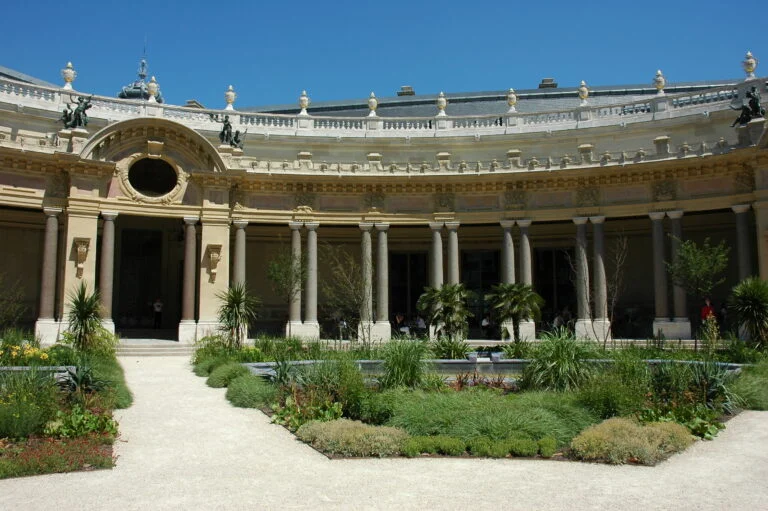
The Petit Palais itself is a highlight of a visit, designed with the unmistakable grandeur of the Belle Époque style. Commissioned by the City of Paris for the Exposition Universelle of 1900, the building was crafted to be both an exhibition hall and a work of art in its own right. Its grand façade, adorned with stone sculptures and classical elements, sets the tone for the artistic treasures inside. The light-filled central courtyard is a particularly enchanting feature, offering a peaceful oasis surrounded by colonnades and flowering plants, perfect for reflection or rest during a visit.
Inside, the architecture showcases a blend of opulence and thoughtful functionality. High vaulted ceilings, elaborate mosaics, and ornate ironwork detail the public galleries, creating an atmosphere that allows the artworks to shine amid sumptuous surroundings. The layout is conducive to an immersive art experience, with carefully designed exhibition spaces that flow naturally and encourage exploration. Located near the Champs-Élysées, the Petit Palais's setting benefits from proximity to other cultural landmarks and iconic Parisian streets, making it an accessible and picturesque destination within the city.
Practical Information
Visitors to the Petit Palais are encouraged to check the museum’s official website or contact them directly for the most current information regarding opening hours, ticket prices, and any temporary exhibition schedules. While the museum often offers free entry to its permanent collections, special exhibitions may require a ticket. The museum has also been known to close on certain holidays or for maintenance, so verifying details beforehand ensures a smooth visit.
The Petit Palais is accessible by several metro lines and buses, with nearby stations including Champs-Élysées – Clemenceau and Franklin D. Roosevelt. For those who may require mobility assistance, the museum provides accommodations, though prospective visitors might want to inquire in advance to plan accordingly. Photography policies are generally restrictive within exhibition spaces to protect the artworks, although some areas might allow non-flash photos. Additionally, the museum offers guided tours and educational programs, which can enhance the visitor experience by providing deeper context and interpretations of the collections.
Why Visit
The Petit Palais stands out as a must-visit cultural attraction for those interested in art history, architecture, or simply seeking a refined and enriching museum experience in Paris. Its charm lies not only in the breadth and quality of its collections but also in the ambiance that the building imparts—a perfect balance of elegance and accessibility. Unlike larger museums with overwhelming scale, the Petit Palais provides a more intimate setting that invites visitors to engage closely with each work on display.
The museum’s dedication to preserving and showcasing French artistic heritage alongside broader European contributions offers a nuanced perspective that appeals to both novices and experienced art lovers. The inclusion of decorative arts and antiquities alongside paintings and sculptures helps tell a more holistic story of artistic expression and cultural development. Moreover, the tranquil courtyard and the museum’s welcoming atmosphere make it an ideal spot for a leisurely cultural outing amidst the buzz of the Paris tourist scene.
Whether drawn by the impressive array of 19th-century paintings, intrigued by the decorative arts, or captivated by the building’s architecture, visitors to the Petit Palais can expect a rewarding experience. It is a place where history and beauty combine, offering inspiration and insight into centuries of creativity. Those planning a visit to Paris will find that the Petit Palais complements the city’s larger and more famous art institutions, providing a distinctive, memorable encounter with art in a setting that feels authentically Parisian.
Official website:
Visitors should consult the museum’s official website before planning their trip to ensure the most accurate and up-to-date information.