Musée du quai Branly Jacques Chirac Review
Tickets & Tours
Compare ticket options and guided tours from trusted booking partners.
Historical Context
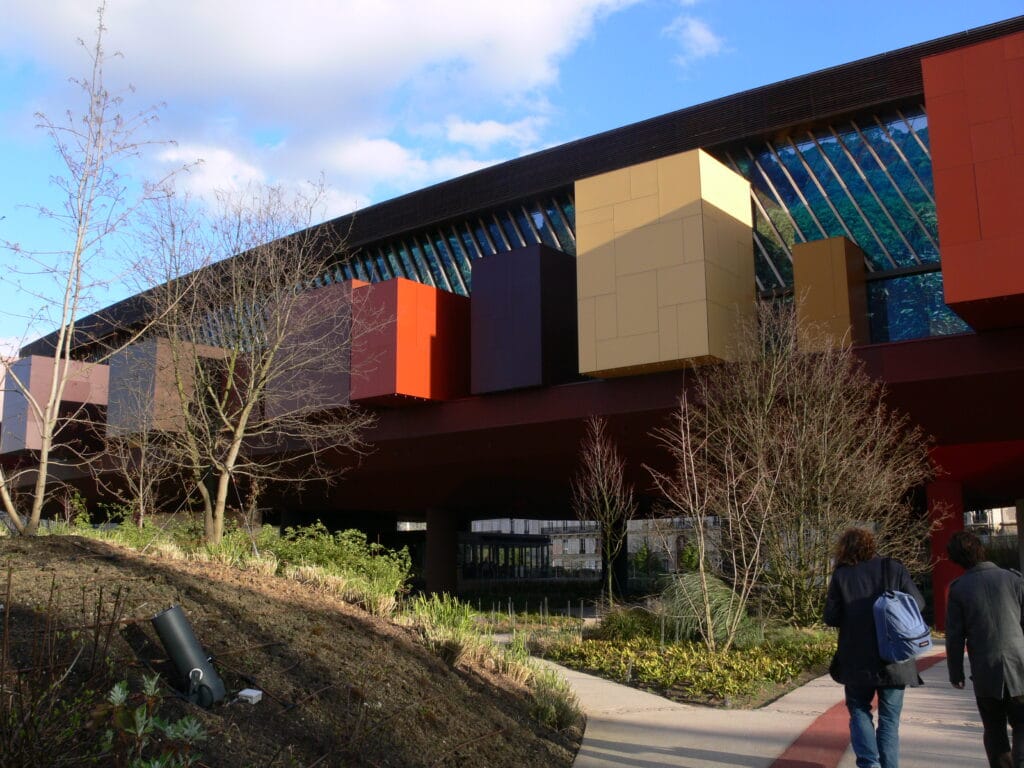
The Musée du quai Branly Jacques Chirac, located in Paris, represents a significant departure from traditional Western-centric museum paradigms by focusing on the arts and cultures of Africa, Asia, Oceania, and the Americas. Opened in 2006, this institution was conceived to showcase non-European indigenous art alongside ethnographic items, creating a platform that elevates these objects as art while acknowledging their cultural and historical context. The museum’s inception was driven by a recognition of the rich and diverse cultural heritage of the so-called “other” continents, often marginalized in classical art institutions. It owes much of its collection to the assimilation of ethnographic holdings previously spread across various French museums, thoughtfully consolidated to provide a more coherent narrative. The building itself has become iconic; it draws on natural and organic architectural motifs which echo the museum’s mission to bridge cultures and histories. The museum’s role in cultural diplomacy and education remains pivotal in Paris’s vibrant museum landscape.
What You See on Arrival
Situated along the Seine, the museum is immediately recognizable by its lush vertical garden, an extraordinary green façade designed by botanist Patrick Blanc. This living wall softly cascades opposite the river, intertwining the structure with its natural environment. The entrance plaza’s openness invites visitors to pause and absorb the blending of urban and organic aesthetics. Upon entering, the interior conveys an atmosphere of calm and contemplation, structured to immerse visitors progressively. One encounters a series of covered courtyards and terraces, offering glimpses of the collection space through natural light and foliage. The interior design avoids conventional white cube galleries, favoring dimmed, warm lighting and intimate spaces that highlight the textures and complexities of the exhibits. The layout encourages an exploratory journey that balances wonder with reflection, advancing from denser groupings of artifacts into settings allowing closer, detailed viewing.
Highlights and Key Exhibitions
The museum’s permanent collection, numbering in the tens of thousands of items, is its greatest strength. It spans centuries and continents, including ritual masks, textiles, sculptures, ceremonial objects, and musical instruments that carry stories far beyond their material presence. Among the most notable are the African masks that evoke spiritual and societal traditions, and the intricately carved Oceanic totems that display extraordinary craftsmanship and cultural symbolism. The Americas are represented through pre-Columbian objects, shamanic paraphernalia, and indigenous artworks, which give insight into diverse ways of life and belief systems. The Asian section complements this with Buddhist relics, traditional garments, and artifacts linked to long-standing philosophical and artistic traditions. The museum excels in contextualizing items with multimedia presentations and explanatory texts that allow nuanced understanding without imposing a Eurocentric narrative. Its collections demonstrate an ongoing commitment to respectful presentation and the decolonization of heritage.
Visitor Experience
The Musée du quai Branly Jacques Chirac is designed as an immersive cultural experience rather than a conventional museum visit. The spaces encourage quiet engagement and introspection, supported by the atmospheric lighting and natural elements that permeate the building. Audio guides and digital resources enrich the narrative, while touchscreens provide interactive opportunities to explore further layers of meaning behind the artifacts. The museum also hosts occasional workshops, lectures, and cultural events that engage audiences in dialogue around the themes represented. Still, the layout can pose navigational challenges for first-time visitors; clear signage and a well-designed map are essential to fully appreciate the comprehensive offerings. Accessibility for different learning styles is commendable, with enough variety in interpretive materials to cater to casual visitors and scholars alike.
Tickets, Access, and Planning
Ticketing for the museum is straightforward, with options for both online and on-site purchase. Admission prices are reasonable for a museum located in central Paris, offering concessions for students, seniors, and free entry days for wider accessibility. The museum’s location beside the Seine is served well by public transportation, including metro and bus lines, making it convenient for visitors traveling from across the city. Parking is limited, so reliance on public transit is advisable. The facility is accessible to visitors with reduced mobility, featuring ramps, elevators, and adapted restrooms. The museum’s official website provides essential information for planning, including opening hours and tips for visitors with specific requirements. Given the size of the collection and the depth of exhibitions, allocating several hours is recommended to avoid a rushed experience.
Final Verdict
The Musée du quai Branly Jacques Chirac stands out as a landmark institution within Paris’s museum scene due to its innovative focus on global indigenous cultures and its commitment to redefining art historical narratives. It successfully bridges ethnography and fine art, inviting visitors to reconsider assumptions about artistic value and cultural heritage. The museum’s architecture and atmosphere enhance this endeavor, creating an environment that feels both respectful and inviting. While the breadth of the collection can be overwhelming, the thoughtful presentation using multimedia aids and thematic zones helps maintain engagement. A few practical challenges with navigation and the sometimes dim lighting may deter those unfamiliar with in-depth museum visits, but these are minor compromises for the overall experience. Ultimately, this museum provides a compelling and educational journey into the world’s cultural diversity, making it an essential destination for anyone interested in understanding humanity’s shared artistic legacy beyond Western confines.