Crystal Bridges Museum of American Art Review
Art Museums · Bentonville, United States. The Crystal Bridges Museum of American Art, located in Bentonville, Arkansas, is a significant cultural landmark that reflects the evolving narrative of American art and history. Founded by Alice Walton, a member of the…
Art Museums · Bentonville, United States. The Crystal Bridges Museum of American Art, located in Bentonville, Arkansas, is a significant cultural landmark that reflects the evolving narrative of American art and history. Founded by Alice Walton, a member of the…
Best forDesign, architecture, visual culture
Review focusDesign objects, building, visitor flow
Historical Context
The Crystal Bridges Museum of American Art, located in Bentonville, Arkansas, is a significant cultural landmark that reflects the evolving narrative of American art and history. Founded by Alice Walton, a member of the Walton family, the institution opened its doors in 2011 with the vision of creating a world-class museum dedicated entirely to American art. The museum’s establishment marks a transformative moment in the cultural landscape of Arkansas and the broader American art scene, offering a rural setting a richness typically found in cosmopolitan urban centers. Crystal Bridges is particularly noted for its commitment to presenting art spanning several centuries – from colonial times to contemporary works – fostering a comprehensive dialogue about the country’s artistic heritage and social history. Its focus on inclusivity and representing diverse American voices contributes to its status as an important educational resource and cultural repository.
What You See on Arrival
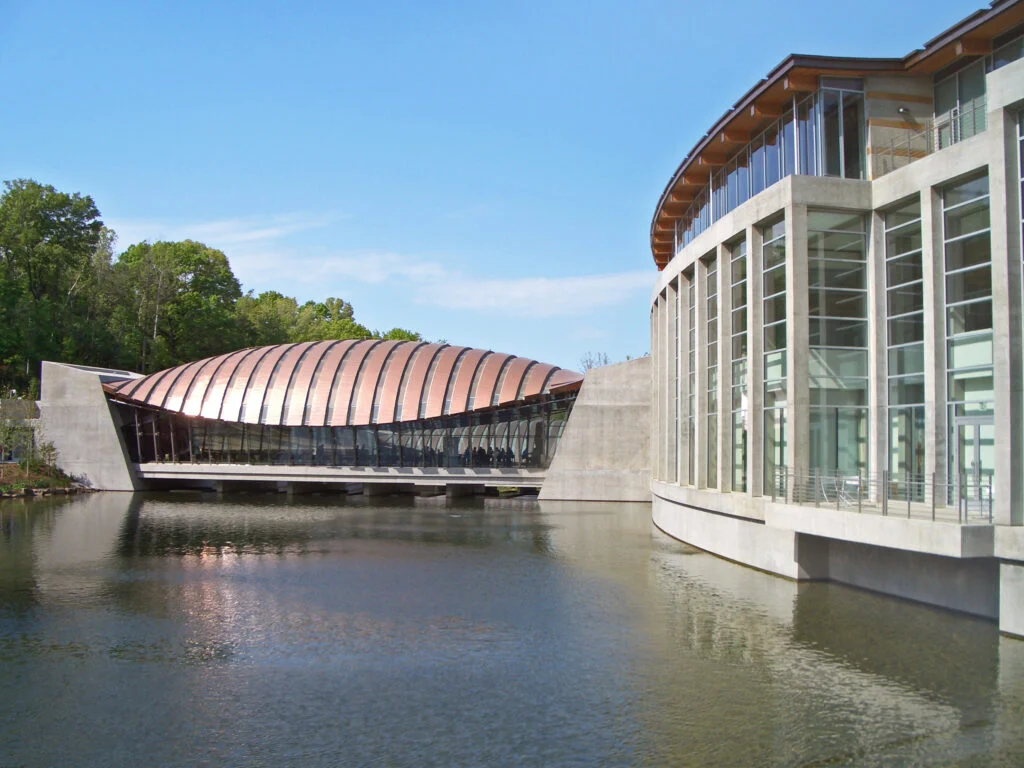
Approaching the Crystal Bridges Museum of American Art is an experience set amid natural beauty, where the architecture itself begins the storytelling. The building, thoughtfully nestled in a forested area and spanning over several acres, is designed to complement its surroundings with an innovative use of glass and wood elements. Visitors are greeted by the sight of reflective pools and wooden bridges crossing the natural landscape, evoking a serene and contemplative atmosphere before even stepping inside. The entrance area is spacious, inviting, and understated, setting the tone for a journey through the history and complexity of American art. The museum’s grounds include walking trails and garden spaces, which invite visitors to prolong their visit by immersing themselves in both nature and culture simultaneously. This integration of art and environment reflects an ethos of balance and harmony that is experienced throughout the visit.
Highlights and Key Exhibitions
Crystal Bridges boasts a permanent collection featuring more than 450 works that span five centuries of American artistry. Its holdings include seminal pieces from iconic painters such as Norman Rockwell, Georgia O’Keeffe, and Andy Warhol, as well as lesser-known artists who contribute significantly to the American art narrative. A notable aspect of the museum’s collection is its emphasis on regional artists alongside those with national or international acclaim, which provides a layered perspective on American artistic development. Among the highlights is a diverse assemblage of 19th-century landscape paintings that capture the nation’s evolving relationship with its environment, reflecting themes of expansion and identity. The museum’s contemporary collection does not shy away from challenging and provocative works, engaging with social and political issues that resonate with current audiences. The careful curation of artwork alongside architectural and natural elements enhances the viewing experience, encouraging thoughtful reflection and dialogue.
Visitor Experience
The Crystal Bridges Museum of American Art is widely praised for providing a visitor experience that is both enriching and accessible. The layout of galleries encourages an intuitive flow, allowing visitors to explore the collection in a manner that is neither rushed nor overly prescriptive. Interpretive materials, including descriptive labels and audio guides, are thoughtfully designed to provide context without overwhelming visitors with information. The blend of indoor and outdoor spaces creates a dynamic and varied visit, with opportunities for relaxation and contemplation around tranquil ponds and woodland trails. Programming and educational initiatives offered by the museum support a wide demographic, from families with children to art scholars, enhancing engagement at multiple levels. However, the museum’s rural location means visitors often rely on private transportation, and amenities such as dining and retail facilities, while adequate, may not match the scale found in larger metropolitan museums.
Tickets, Access, and Planning
Planning a visit to Crystal Bridges requires some logistical consideration, particularly due to its location in Bentonville, Arkansas. The museum operates a ticketing system that is straightforward, with free general admission that reflects its mission to make American art accessible to all. It is advisable to reserve timed-entry tickets in advance to ensure smooth access, especially during peak tourist seasons and holidays. The museum is well-equipped to accommodate visitors with disabilities, featuring ramps, elevators, and accessible restrooms, as well as offering materials in alternative formats upon request. Parking is ample and free, providing convenience for those arriving by car. Public transportation options are limited, which may pose challenges for some visitors. Additionally, the museum’s website offers detailed visitor information, including hours of operation, parking guidance, and upcoming events, facilitating thorough preparation for prospective guests.
Final Verdict
The Crystal Bridges Museum of American Art stands out as a compelling cultural institution that successfully merges art, architecture, and nature to provide a distinctive and memorable experience. It serves as a vital platform for American art, with an inclusive and diverse collection that highlights both renowned and underrepresented artists. The museum’s integration into its natural setting enhances the contemplative quality of the visit, offering visitors a respite from urban life alongside a rich cultural encounter. While its location in a smaller city may present some logistical challenges, the institution compensates with outstanding visitor services and thoughtful programming. Crystal Bridges not only enriches the cultural fabric of the region but also contributes to the national conversation about art and identity in the United States. For those interested in American art and history, it promises a nuanced and rewarding exploration.