Petersen Automotive Museum Review
Automobile Museums · Los Angeles, United States. Situated in the heart of Los Angeles, the Petersen Automotive Museum stands as a premier institution dedicated to the celebration of automotive history and culture. Founded in 1994 through the vision and philanthropy of…
Automobile Museums · Los Angeles, United States. Situated in the heart of Los Angeles, the Petersen Automotive Museum stands as a premier institution dedicated to the celebration of automotive history and culture. Founded in 1994 through the vision and philanthropy of…
Best forMasterpieces, architecture, cultural history
Review focusCollection highlights, building, visitor flow
Historical Context
Situated in the heart of Los Angeles, the Petersen Automotive Museum stands as a premier institution dedicated to the celebration of automotive history and culture. Founded in 1994 through the vision and philanthropy of Robert E. Petersen, an influential publisher and automotive enthusiast, the museum has grown into one of the largest and most comprehensive automotive museums in the world. Its mission transcends the mere display of vehicles; it seeks to educate the public on the evolution of automotive technology, design, and innovation, while highlighting the cultural impact that cars have had globally. The museum’s strategic location on the Miracle Mile places it within a vibrant cultural corridor, linking it with other renowned Los Angeles institutions. Over the years, extensive renovations have modernized its facilities, enhancing the visitor experience through state-of-the-art displays and interactive elements. This melding of historical preservation with contemporary presentation techniques underscores the museum's role as both a guardian of the past and a forward-looking educational resource within the automotive community.
What You See on Arrival
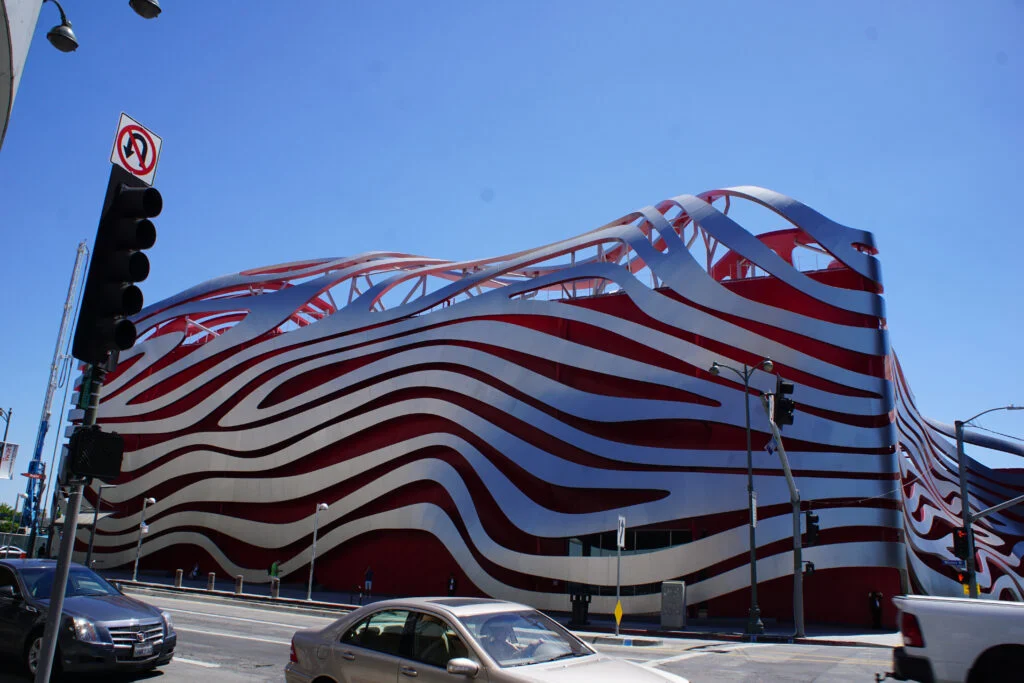
As visitors approach the Petersen Automotive Museum, the building itself commands attention with its striking architectural design. The exterior features a dynamic stainless steel ribbon facade that swirls across the surface, symbolizing the motion and speed intrinsic to automotive culture. This modern aesthetic contrasts effectively with the building’s classic art deco elements, creating a visual narrative that bridges the past and present of automobile design. Upon entering, guests are greeted by a spacious, light-filled atrium that sets a tone of grandeur and excitement. The immediate sightlines towards the central gallery promise a treasure trove of exhibits, while polished floors and sleek lines suggest a high level of curation. The lobby area includes well-organized information desks and signage to orient visitors efficiently. Overall, the first impression is one of professionalism and passion for the subject matter, preparing the visitor for a comprehensive exploration of automotive heritage.
Highlights and Key Exhibitions
The core strength of the Petersen Automotive Museum lies in its extensive permanent collection, which comprises over 300 vehicles spanning more than a century of automotive history. One of the museum’s standout features is its thematic galleries that explore various aspects of car culture. For example, there is a strong emphasis on innovation and design, with exhibits showcasing early motorcars alongside futuristic concepts. Among the highlights are classic American muscle cars, meticulously restored vintage models, and rare European exotics, each displayed with detailed contextual information about their development, technology, and cultural significance. The museum also dedicates space to the role of automobiles in entertainment and popular culture, featuring cars from iconic films and television shows—a draw for both automotive aficionados and general visitors. Additionally, the Petersen offers rotating displays that adapt to new acquisitions or evolving interests within automotive circles, ensuring that even repeat visitors encounter fresh content. Collectively, these exhibitions provide a multifaceted narrative that appeals to diverse audiences by blending technology, artistry, and history.
Visitor Experience
The visitor experience at the Petersen Automotive Museum is carefully crafted to balance education and entertainment. Informational placards accompany each exhibit, offering accessible but detailed explanations about the vehicles on display, their makers, and their historical context. Interactive elements such as multimedia presentations and digital kiosks further enhance understanding and engagement. The museum’s layout is intuitive, allowing guests to move organically from one gallery to another, with ample seating areas for rest and contemplation. Staff members are known for their expertise and willingness to assist with inquiries, enriching the overall experience. The museum also provides amenities designed to accommodate different types of visitors, including families, car enthusiasts, and casual tourists. These include a gift shop stocked with auto-related memorabilia and books, as well as a café that offers a comfortable spot for refreshments. The integration of educational programming such as lectures and special events adds depth to the visit, fostering community involvement and lifelong learning.
Tickets, Access, and Planning
Visitors planning a trip to the Petersen Automotive Museum will find it relatively straightforward to organize their visit. Tickets can be purchased in advance online, which is recommended during weekends and holiday periods to avoid long waits. The admission fees are moderately priced, offering good value given the quality and scale of the exhibits, and discounts are typically available for students, seniors, and children. The museum is located within downtown Los Angeles’ Miracle Mile district, accessible by car with onsite parking options, as well as by public transportation. Accessibility considerations include ramps, elevators, and wheelchair-friendly pathways throughout the facility, ensuring that the museum is navigable for visitors with mobility challenges. Clear signage guides guests to restrooms, dining areas, and exits to facilitate a smooth flow. It is advisable to allocate at least two to three hours to fully appreciate the exhibits, though avid automotive enthusiasts may wish to spend additional time exploring in depth.
Final Verdict
The Petersen Automotive Museum offers a compelling and richly diverse look at the world of automobiles, combining historical artifacts with contemporary presentation methods to create an engaging experience for a wide audience. Its strengths lie in the breadth and depth of its collection, the thoughtful thematic organization of its galleries, and the quality of visitor services. It successfully manages to appeal to both dedicated car enthusiasts eager to delve into the technical and cultural nuances of automotive history, and casual visitors drawn by iconic vehicles and engaging storytelling. While the museum’s focus is necessarily specific, its exhibits underscore the broader impact of the automobile as a transformative force in society. Though the museum could consider expanding its engagement with emerging automotive technologies such as electric vehicles and autonomous driving in greater detail, its current offerings remain highly relevant. In sum, the Petersen Automotive Museum is a must-visit cultural institution for anyone looking to understand the legacy and future trajectory of automotive design and innovation in an accessible and inspiring setting.