
Tomato Feastival Draws Crowds to Goodwood Museum Celebrating Local Farming and Culinary Traditions
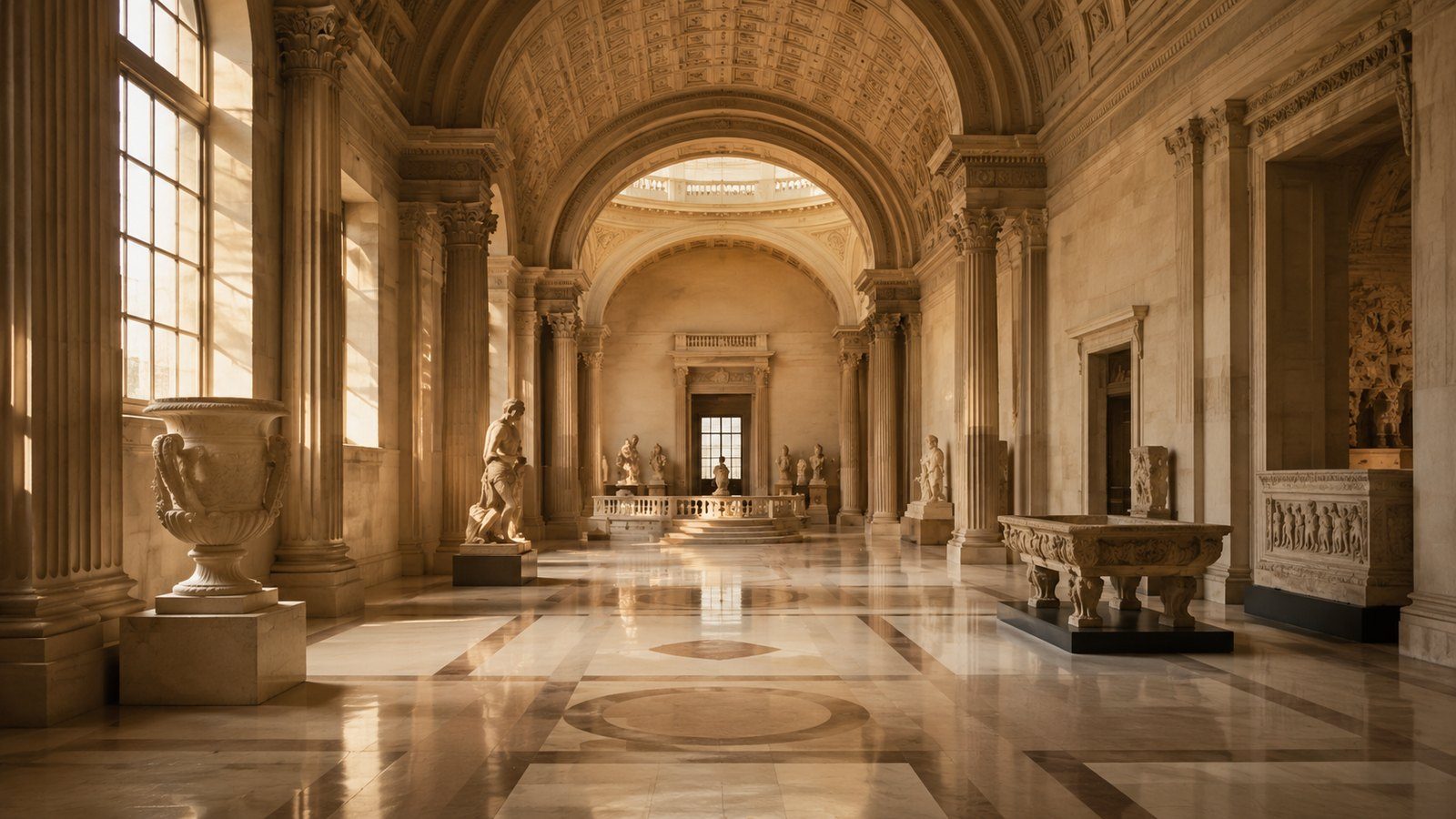
Goodwood Museum and Gardens recently welcomed a vibrant burst of summer spirit as the Red Hills Small Farm Alliance’s Tomato Feastival drew enthusiastic crowds eager to celebrate one of the South’s most beloved crops. The event, known for uniting farmers, food lovers, and families, transformed the historic gardens into a lively hub of local culture and culinary delight, showcasing everything tomato in all its glorious varieties.
From early morning through the afternoon, visitors wandered the beautiful grounds of Goodwood, taking in the charming blend of history and horticulture while sampling a dazzling array of tomato-based treats. The Feastival’s appeal clearly stretched beyond the usual agricultural fair-goers, drawing people from neighboring towns and further afield who were excited to taste heirloom tomatoes bursting with summer’s freshest flavors. The event reflected the deep connection this region holds with its agricultural roots, a tradition that the Red Hills Small Farm Alliance continually nurtures.
One of the hallmarks of the Tomato Feastival was the exceptional diversity of tomatoes on display—ranging from vibrant reds and sunny yellows to jewel-tone greens and even deep purples. Local farmers enthusiastically shared their expertise, offering insights into heirloom varieties and sustainable farming techniques. It was a wonderful educational opportunity for many attendees, especially families with children, who could see up close how the humble tomato goes from vine to table. Recipe demonstrations and cooking talks emphasized not only the tomato’s versatility but also the importance of supporting local growers.
The festival’s atmosphere was warm and convivial, filled with the rich smells of grilled tomato dishes, freshly baked breads, and garden-fresh salads. Live music added to the festive mood, inviting visitors to linger longer, enjoying the company of neighbors and the pastoral beauty of the gardens. Community vendors set up tents selling tomato plants, preserves, sauces, and handmade crafts, further reinforcing the local economy and the spirit of cooperation that defines the Red Hills region.
Goodwood Museum and Gardens itself provided a picture-perfect backdrop for this celebration. Its well-preserved antebellum home and fragrant rose gardens offered a serene complement to the lively marketplace and cooking areas. The Feastival’s success highlights how cultural institutions like Goodwood can play a vital role in fostering community connections and celebrating regional heritage beyond traditional museum exhibits.
This year’s Tomato Feastival also held a special place for the Red Hills Small Farm Alliance as it marked continued efforts to sustain small-scale, diversified farming in an era where industrial agriculture often dominates. By drawing large crowds and cultivating a strong appreciation for local produce, the event helps support small farmers, encouraging people to think strategically about where their food comes from and how it is grown. In a time when many seek to reconnect with the land and seasonality, the festival embodies that desire, offering a joyous occasion for everyone to partake in the bounty of the Red Hills region.
As the sun set over Goodwood, with baskets of tomatoes purchased and bellies full of fresh food, the Tomato Feastival left an unmistakable impression—a reminder of how deeply food, community, and tradition intertwine. For those fortunate enough to attend, it was more than just a festival; it was a heartfelt invitation to celebrate the rich agricultural heritage and the simple pleasures of a good tomato shared among friends and neighbors. This event continues to grow in spirit and size, promising even greater harvests and heartfelt gatherings in seasons to come.
Join the discussion
Share a thoughtful museum note, correction, or visitor perspective about this article.