Coptic Museum Review
Archaeology Museums · Cairo, Egypt. The Coptic Museum in Cairo holds a distinct place in the cultural tapestry of Egypt, serving as a comprehensive repository of Coptic art and history. Established in the early 20th century, the museum was…
Archaeology Museums · Cairo, Egypt. The Coptic Museum in Cairo holds a distinct place in the cultural tapestry of Egypt, serving as a comprehensive repository of Coptic art and history. Established in the early 20th century, the museum was…
Best forArchitecture, royal history, heritage
Review focusArchitecture, history, visitor experience
Historical Context
The Coptic Museum in Cairo holds a distinct place in the cultural tapestry of Egypt, serving as a comprehensive repository of Coptic art and history. Established in the early 20th century, the museum was motivated by a desire to preserve the heritage and artifacts of Egypt's Christian communities, whose influence has been profound since the early centuries of the Christian era. The Copts, recognized as the indigenous Christian inhabitants of Egypt, contributed uniquely to the country’s art, theology, and architecture, bridging Pharaonic antiquity and the Islamic period. Situated in the historic district of Old Cairo, an area rich in religious and cultural history, the museum curates an extensive collection of textiles, manuscripts, woodwork, frescoes, and liturgical objects. This collection illuminates the narrative of Coptic Christianity from its origins through Byzantine and Islamic periods, providing visitors with a rare glimpse into a tradition often overshadowed by Egypt’s ancient Pharaonic and Islamic histories.
What You See on Arrival
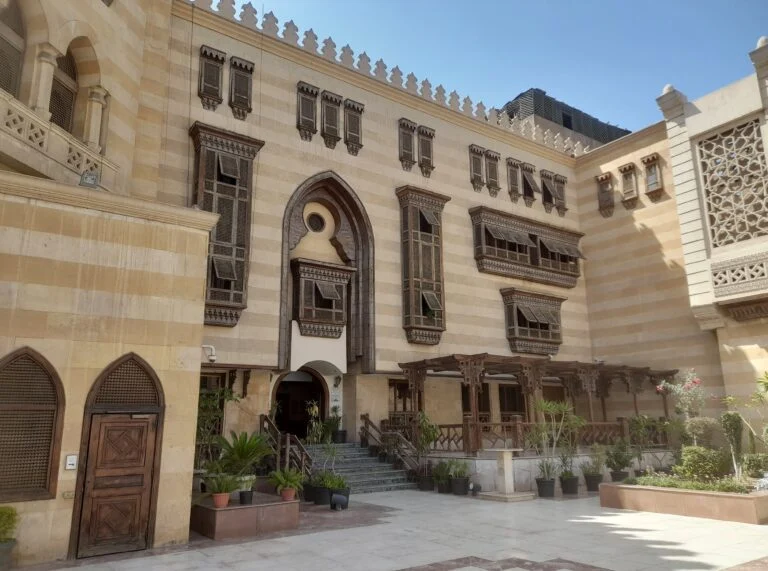
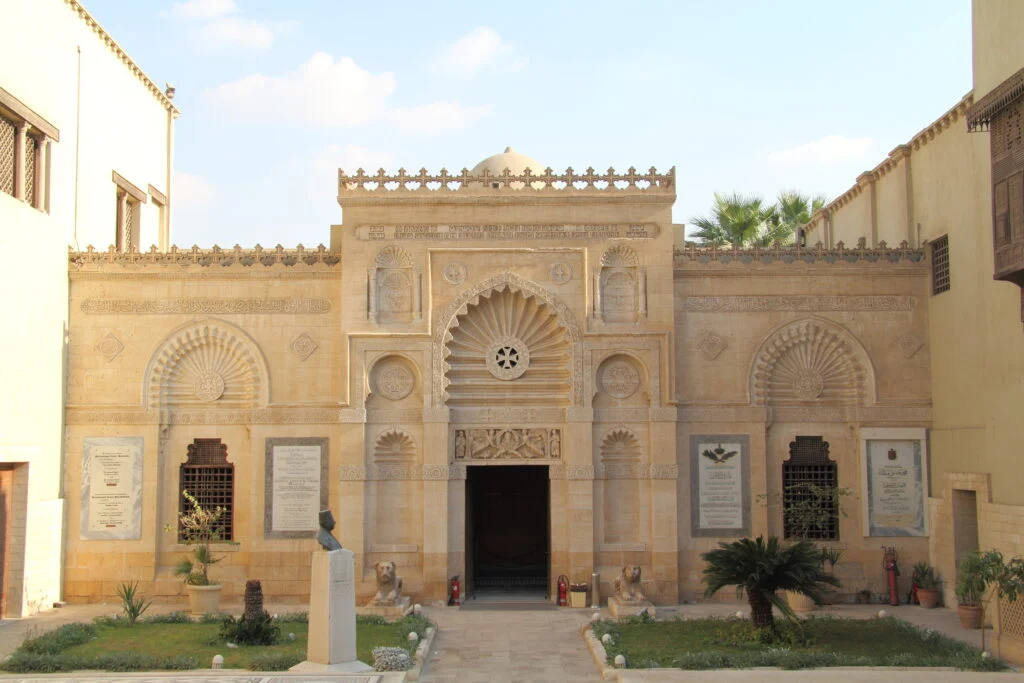
Approaching the Coptic Museum, visitors encounter a serene environment nestled in the leafy surroundings of Old Cairo’s Babylon Fortress area, near the iconic Hanging Church and other significant Coptic sites. The exterior architecture, blending traditional Egyptian styles with subtle colonial influences, hints at the museum’s dedication to heritage preservation. Upon entry, the museum’s layout unfolds with a sense of calm and order, allowing the visitor to transition thoughtfully into the exploration of the collection. The entrance area typically features informative panels offering historical context and a welcome introduction to Coptic culture and its art forms. The museum’s spatial design embraces an open yet compartmentalized exhibition style, encouraging a chronological and thematic progression through sacred and everyday life as expressed through Coptic art. The atmosphere is quiet and contemplative, setting an appropriate tone for a cultural institution dedicated to spiritual history.
Highlights and Key Exhibitions
The Coptic Museum’s collection is extensive and varied, with several standout elements that attract scholars and enthusiasts of religious art and history. Among the most compelling exhibits are the intricate textiles, including ceremonial vestments and woven fabrics exhibiting advanced dyeing and weaving techniques dating back centuries. These textiles are prized for their vibrant colors and iconography, revealing the intersection of Egyptian, Greco-Roman, and Christian influences. Equally noteworthy are the ancient manuscripts, many of which are on display with meticulous preservation. These documents not only provide linguistic insights but also feature illuminated writings and biblical illustrations that capture the spiritual fervor of the Coptic community.
Sculptural and architectural artifacts form another core of the exhibition, including intricately carved woodwork, stone crosses, and fragments of frescoes salvaged from churches and monasteries across Egypt. These artifacts illustrate the artistic dialogues between Coptic iconography and the broader Mediterranean artistic heritage. One of the significant strengths of the museum is its presentation of panels that narrate the evolution of Coptic art styles over the centuries, emphasizing continuity and change within this historically marginalized community.
Visitor Experience
The Coptic Museum offers a visitor experience that balances scholarly interest with broader educational accessibility. The exhibition labels are typically clear and informative, contextualizing objects within their historical and cultural frameworks without overwhelming casual visitors. English and Arabic descriptions ensure that a wide audience can engage meaningfully with the collection. While the museum’s interpretive materials are strong, the absence of multimedia guides or interactive digital components is noticeable, especially for modern audiences accustomed to immersive learning environments.
The museum’s layout supports a logical flow, encouraging visitors to explore thematic sections in sequence, enhancing comprehension of complex historical narratives. The lighting within exhibition spaces is generally well-managed, highlighting artifacts without causing damage or visual strain. However, some areas could benefit from enhanced illumination to better appreciate finer details in frescoes and smaller objects. The museum staff are reportedly knowledgeable and courteous, contributing positively to the overall experience, although the available visitor services such as rest areas and refreshment options are limited.
Tickets, Access, and Planning
Visiting the Coptic Museum is straightforward but requires some planning, particularly given its location within a densely historic and occasionally congested part of Cairo. Ticket prices are modest and represent good value for the depth and breadth of the collection on offer. Discounts are typically available for students and seniors, and entrance fees contribute to the upkeep of this vital cultural institution.
In terms of accessibility, the museum’s placement in Old Cairo means that visitors arriving by car or taxi should allocate extra time for navigation through narrow, often busy streets. Public transport options are limited but feasible with some planning. The museum itself features some accommodations for visitors with mobility challenges, though the historic character of the building and certain exhibition spaces present inherent limitations. It is advisable for prospective visitors to consult the official website or contact the museum directly in advance to verify opening hours and any special guidelines or restrictions.
Final Verdict
The Coptic Museum stands as an essential destination for those interested in the intersections of religion, art, and history within Egypt’s diverse cultural landscape. It offers a rich, well-preserved window into the Coptic Christian tradition, an aspect of Egyptian history that merits greater international recognition. While the museum’s traditional exhibition style may not appeal to all tastes in the digital age, its careful curation and depth of material provide a fulfilling experience for those who appreciate detailed historical narratives and art historical scholarship.
Its location in Old Cairo offers visitors the added benefit of proximity to other significant Coptic sites, creating opportunities for a broader exploration of this heritage. In sum, the Coptic Museum is an invaluable cultural institution that preserves and celebrates a foundational yet frequently overlooked chapter in Egypt’s multifaceted history. It is highly recommended for both academic visitors and culturally curious travelers seeking to deepen their understanding of Egypt’s enduring religious and artistic legacy.