Hirshhorn Museum and Sculpture Garden Review
Art Museums · Washington, D.C., United States. The Hirshhorn Museum and Sculpture Garden, located in the heart of Washington, D.C., stands as a pivotal institution dedicated to modern and contemporary art. Founded in 1974, it was gifted to the Smithsonian Institution…
Art Museums · Washington, D.C., United States. The Hirshhorn Museum and Sculpture Garden, located in the heart of Washington, D.C., stands as a pivotal institution dedicated to modern and contemporary art. Founded in 1974, it was gifted to the Smithsonian Institution…
Best forMasterpieces, architecture, cultural history
Review focusCollection highlights, building, visitor flow
Historical Context
The Hirshhorn Museum and Sculpture Garden, located in the heart of Washington, D.C., stands as a pivotal institution dedicated to modern and contemporary art. Founded in 1974, it was gifted to the Smithsonian Institution by Joseph H. Hirshhorn, a prominent art collector and philanthropist who sought to showcase the dynamic developments in 20th-century art. The museum’s inception marked a significant expansion of the Nation’s capital’s artistic landscape, offering a dedicated space for international modernism beyond the classical and historical collections typically associated with the Smithsonian. Its design, an iconic circular structure by architect Gordon Bunshaft, was innovative for its time and continues to distinguish the museum’s physical presence. The adjacent Sculpture Garden complements the museum’s indoor exhibitions, providing an open-air experience that integrates large-scale works within a sculpted landscape. Overall, the Hirshhorn serves as both a repository and a platform for artistic experimentation, reflecting the evolving dialogue between art and society over the past century.
What You See on Arrival
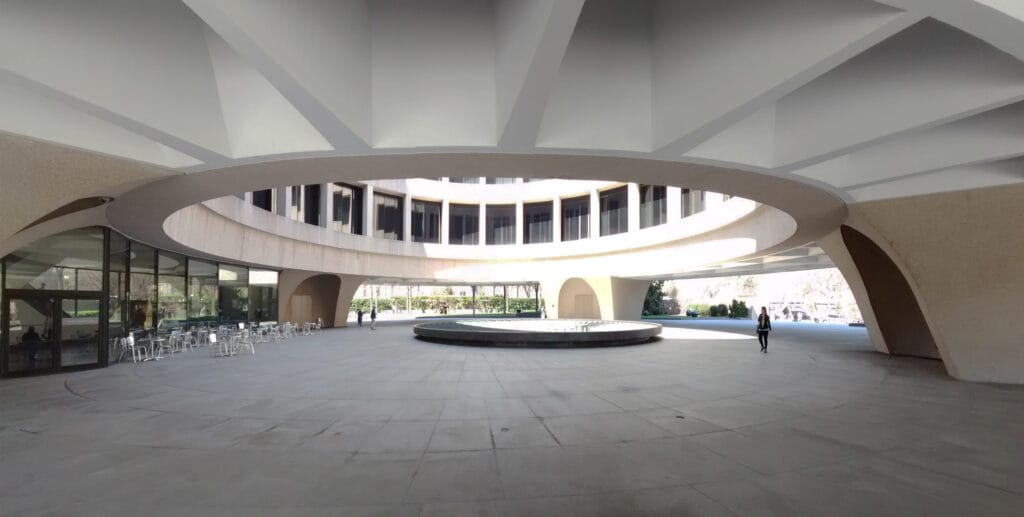
Upon approaching the Hirshhorn Museum and Sculpture Garden, visitors are immediately struck by the building’s distinctive circular form. The museum’s stark concrete façade stands in contrast to the more traditional neoclassical architecture surrounding it in Washington, D.C., signaling its commitment to modernity. The open plaza and the Sculpture Garden at the front introduce an eclectic array of sculptures, ranging from abstract forms to monumental figurative pieces, setting a tone of artistic diversity even before entering the building. The garden itself acts as an inviting threshold, blending natural elements like trees and water with contemporary art. Entrance into the museum typically occurs via a recessed entryway beneath the main floors, offering a diminutive and somewhat understated entry point, which balances the bold external appearance. Inside, the spacious and minimalist lobby provides a clear orientation towards the museum’s galleries and facilities.
Highlights and Key Exhibitions
The Hirshhorn’s permanent collection is renowned for its breadth and depth in modern and contemporary art, housing works by some of the most influential artists of the past 70 years. Sculpture features prominently, with pieces by Alexander Calder, Henry Moore, and Jeff Koons representing different movements and approaches to form and material. Painting and mixed-media works by artists such as Mark Rothko, Pablo Picasso, and Yayoi Kusama highlight the museum’s commitment to both abstraction and conceptual art forms. The museum’s exhibition program is a balance of established masters and emerging voices, often focusing on themes of innovation and critical inquiry. The upper levels of the museum contain galleries designed to provide a dynamic viewing experience, one that encourages visitors to engage deeply with the conceptual underpinnings of the works on display. The outdoor Sculpture Garden is equally vital, offering rotating sculptures and permanent installations that transform continually with changing light and seasons.
Visitor Experience
The visitor experience at the Hirshhorn benefits from the museum’s clear layout and thoughtful interpretive materials. The open plan of the galleries contributes to a fluid movement through the spaces, allowing visitors to engage with works in sequences that highlight contrasts and correspondences. Labels and multimedia guides provide contextual information that enriches understanding without overwhelming the visual impact of the artworks. The Sculpture Garden enhances the visit by inviting visitors to consider art in a natural setting, an approach that differentiates the Hirshhorn from many other urban museums. On-site amenities, including a well-reviewed café and a bookshop specializing in art publications, provide additional value and convenience. Staff are generally noted for their knowledge and helpfulness, and the museum supports educational programs and community engagement activities. Outdoor seating areas create quiet spots for reflection, underscoring the museum’s appeal as a cultural sanctuary.
Tickets, Access, and Planning
Admission to the Hirshhorn Museum and Sculpture Garden is free, consistent with the Smithsonian Institution’s commitment to accessibility and public education. This policy makes the museum an attractive destination for a wide range of visitors, from tourists to local art enthusiasts. The museum is situated on the National Mall, easily accessible via public transportation, including Metro stations and bus routes, as well as by bike or foot for those staying nearby. Parking in the area is limited and typically requires planning, but several paid garages are within walking distance. The museum is fully wheelchair accessible, with ramps, elevators, and accessible restrooms available throughout. Visitors are encouraged to check the official website in advance for any seasonal changes, temporary closures, or health and safety guidelines. Planning a visit during less crowded times, such as weekday mornings, may enhance the experience. While the museum offers guided tours and educational events periodically, reservations for special programs should be made ahead of time.
Final Verdict
The Hirshhorn Museum and Sculpture Garden holds a unique place in Washington, D.C.’s cultural ecosystem, providing an essential window into modern and contemporary art. Its architectural distinction, combined with a rich and thoughtfully curated collection, makes it a must-visit for those interested in the evolution of artistic expression. The outdoor Sculpture Garden adds a compelling dimension, inviting visitors to contemplate both the natural and artistic environment. While the museum’s focus on modernism may not appeal to those seeking classical or historical art traditions, its innovative exhibitions and bold acquisitions ensure its relevance and vitality in the contemporary art world. The museum’s commitment to accessibility and community engagement further elevates its status as a public institution. For art lovers and casual visitors alike, the Hirshhorn offers a compelling and inspiring experience that challenges conventional boundaries and invites reflection on the power of art to shape cultural discourse.