Kigali Genocide Memorial
Memorial Museums · Kigali, Rwanda. The Kigali Genocide Memorial is a deeply moving and profoundly important site located in Kigali, the capital city of Rwanda. Serving as a genocide memorial and educational center, it commemorates the 1994 genocide against…
Best forScience, technology, hands-on learning
Setting / nearbyKigali, the capital city of Rwanda
Overview
The Kigali Genocide Memorial is a deeply moving and profoundly important site located in Kigali, the capital city of Rwanda. Serving as a genocide memorial and educational center, it commemorates the 1994 genocide against the Tutsi, a harrowing chapter in Rwandan history that resulted in the loss of hundreds of thousands of lives. This museum is dedicated to honoring the victims, remembering the survivors, and promoting healing and reconciliation. It stands as a powerful testament to resilience and the necessity of peace, drawing visitors from around the world who seek to understand the history, human impact, and lessons of this tragic event.
Collection Highlights
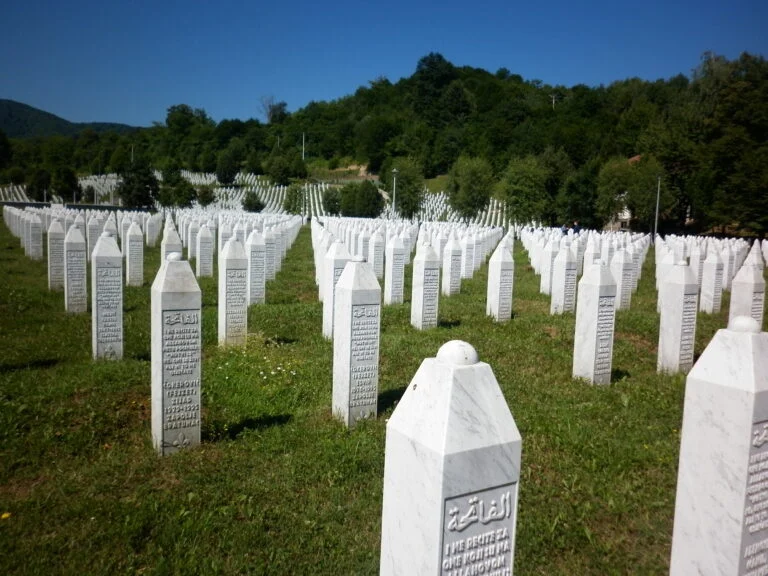
The memorial offers a comprehensive and thoughtfully curated collection that provides a sobering narrative of the genocide and its aftermath. Exhibits encompass a wide range of materials including photographs, personal belongings, archival footage, and eye-witness testimonies. One of the central features is the mass graves site where over 250,000 victims are believed to have been buried, making the location a hauntingly sacred space for reflection.
The exhibitions are organized to educate visitors on the historical context leading up to the genocide, the events as they unfolded, and the ongoing work of reconciliation and rebuilding that continues in Rwanda today. Personal stories and artifacts belonging to victims and survivors bring a deeply human dimension to the history, making the experience intimate and impactful. Some exhibits also explore the international community’s response and the subsequent efforts toward justice, including the work of various tribunals.
Building and Setting
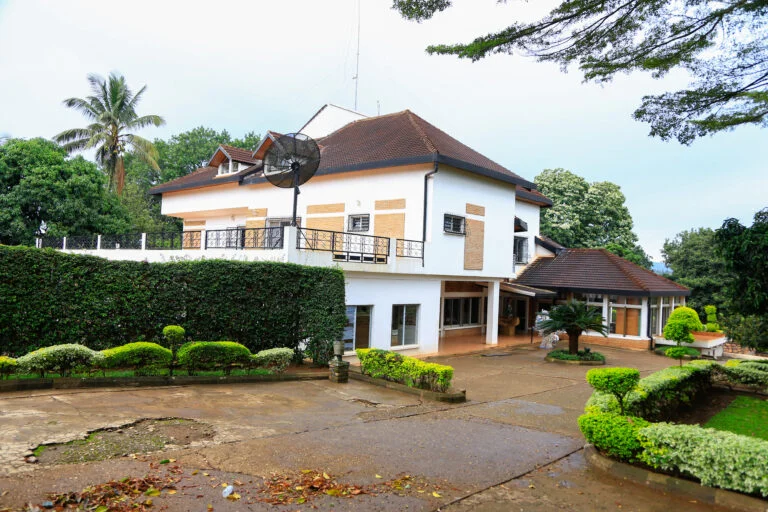
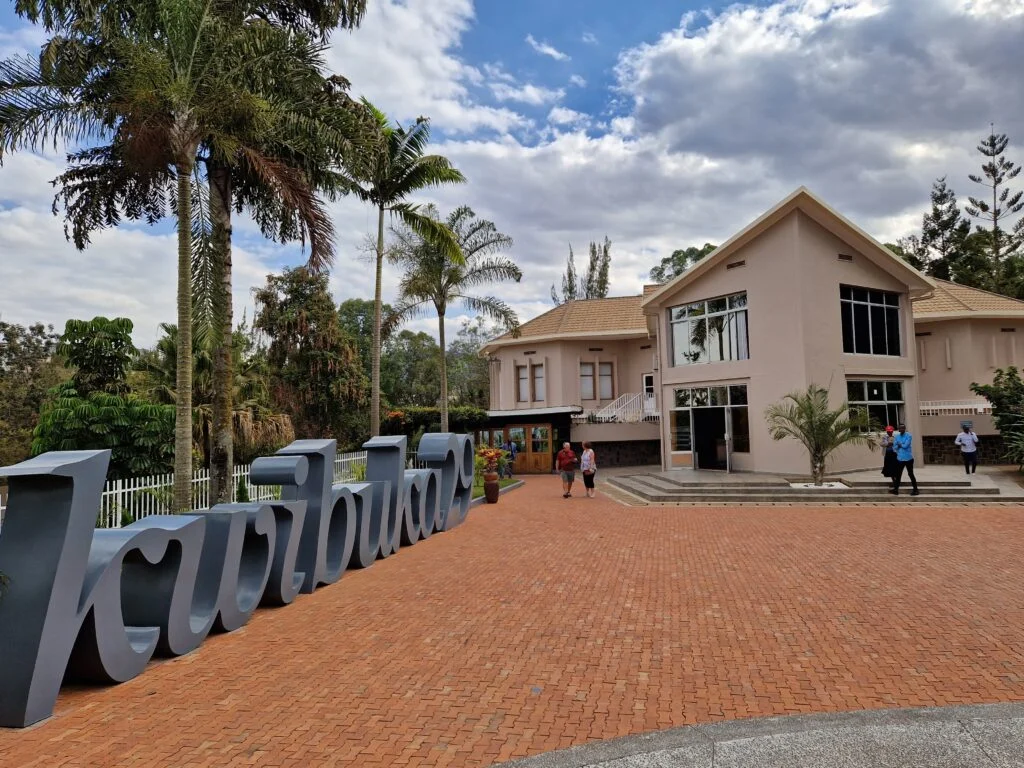
The Kigali Genocide Memorial is situated on the outskirts of Kigali amidst tranquil gardens and landscaped grounds, providing a respectful and contemplative environment. The architecture harmonizes solemnity with hope, with design elements promoting reflection amid natural surroundings. The site’s integration with the burial grounds and memorial gardens creates a space that encourages visitors to engage both intellectually and emotionally.
Within the museum complex, carefully planned pathways guide visitors through the exhibitions, while quiet zones offer space for personal contemplation. The memorial also includes a research center and various educational facilities that support ongoing learning and dialogue about genocide prevention and human rights. Overall, the building and setting contribute significantly to the museum’s mission of remembrance and education.
Practical Information
The Kigali Genocide Memorial is located approximately a short drive from central Kigali, accessible via local transport or taxi services. It is recommended that visitors check the official website or contact the museum directly to confirm current opening hours and ticketing details, as these may vary or change depending on circumstances. Guided tours are often available and can provide additional context that enriches the visit.
The museum is suitable for a wide range of visitors, though due to the sensitive and graphic nature of some displays, it may be particularly impactful for older students and adults. Quiet and reflective behavior is encouraged throughout, respecting the memory of those commemorated. Facilities include a bookstore and café, where visitors can pause and absorb their experience.
Why Visit
Visiting the Kigali Genocide Memorial offers a profound opportunity to engage with one of the most tragic events of the late 20th century through a site that combines education, memorial, and healing. Beyond its role as a local and national monument, it stands as an important global reminder of the consequences of hatred and the vital importance of reconciliation and human rights advocacy.
The memorial fosters empathy and understanding, encouraging visitors to reflect on the fragility of peace and the responsibilities of societies to prevent future atrocities. It is both a solemn reminder and a call to action, making it an essential destination for anyone interested in history, human rights, and the resilience of the human spirit.
For those seeking a meaningful, educational experience in Rwanda’s capital, the Kigali Genocide Memorial provides not only insight into a difficult past but also hope for the future, making it a place of remembrance and learning that resonates far beyond its borders.