
Hilltop School Creates Colonial Museum to Bring History to Life and Engage Community
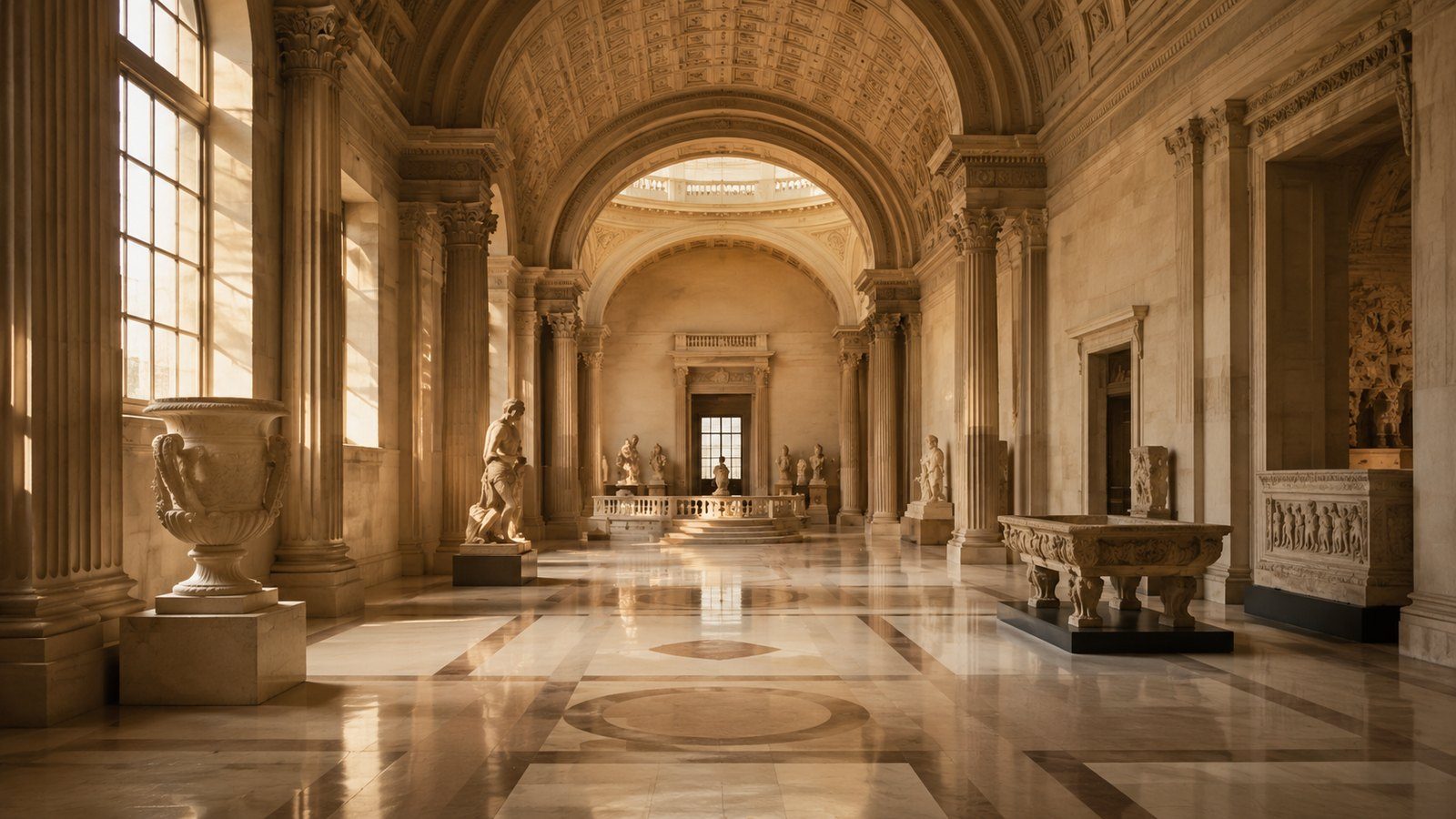
Nestled in a charming rural setting, a hilltop school has recently embarked on an ambitious and heartfelt venture: the creation of a colonial museum right on its campus. This unique project, driven by the students and faculty alike, offers a fresh and intimate glimpse into the colonial period, fostering both education and community pride.
The idea was born out of a desire to bring history to life beyond textbooks and lectures. Teachers and students at the school worked collaboratively, driven by the shared belief that understanding the past is essential for shaping thoughtful, informed citizens. What began as a classroom project soon blossomed into something much larger: a museum that not only preserves colonial artifacts but also narrates stories that are often overlooked in traditional history lessons.
The museum’s collection is a blend of donated artifacts, carefully crafted replicas, and historically researched displays. Items range from simple household tools, handmade textiles, and early agricultural implements to documents and personal letters from the colonial era. Each exhibit is thoughtfully designed to connect visitors with everyday life during that period, emphasizing the diversity and complexity of colonial society. The students themselves took part in researching, cataloging, and curating these items, which has added a profound layer of personal investment and excitement to the project.
What makes this museum particularly special is how it has transformed the educational experience at the school. The hands-on approach encourages students to think critically about history, examining not just the facts but the human stories and cultural contexts behind them. The process involved interviewing local elders, exploring regional history, and visiting other museums, all of which enriched the students’ understanding and gave the project depth and authenticity.
Beyond serving the school community, the museum has also welcomed visitors from the surrounding area, becoming a focal point for community engagement with history. Local residents see it as a celebration of their heritage, while educators from nearby schools have found it a valuable resource for their own history programs. The museum has grown into a lively center for lectures, workshops, and interactive demonstrations that bring the colonial period vividly into the present day.
The initiative has also sparked important conversations about how we remember and interpret colonial history. The museum does not shy away from the nuanced and sometimes difficult aspects of the era, including interactions between indigenous peoples, settlers, and enslaved individuals. This commitment to presenting a balanced and inclusive perspective has been widely appreciated, highlighting the maturity and thoughtfulness of the students involved.
As the project moves forward, there are plans to expand the museum’s offerings through digital archives and virtual tours, ensuring that the history captured here reaches an even broader audience. The school hopes to continue growing the museum’s collection and programming, inspired by the enthusiastic response it has already received.
What started as a simple educational exercise has flourished into a remarkable community treasure. This hilltop school’s colonial museum reminds us that history is not just something to be learned but something to be lived and shared. It is a celebration of curiosity, collaboration, and care for the stories that shape who we are today.
Join the discussion
Share a thoughtful museum note, correction, or visitor perspective about this article.