
Top Museums Embrace Inclusivity and Innovation to Celebrate America’s 250th Birthday in 2026
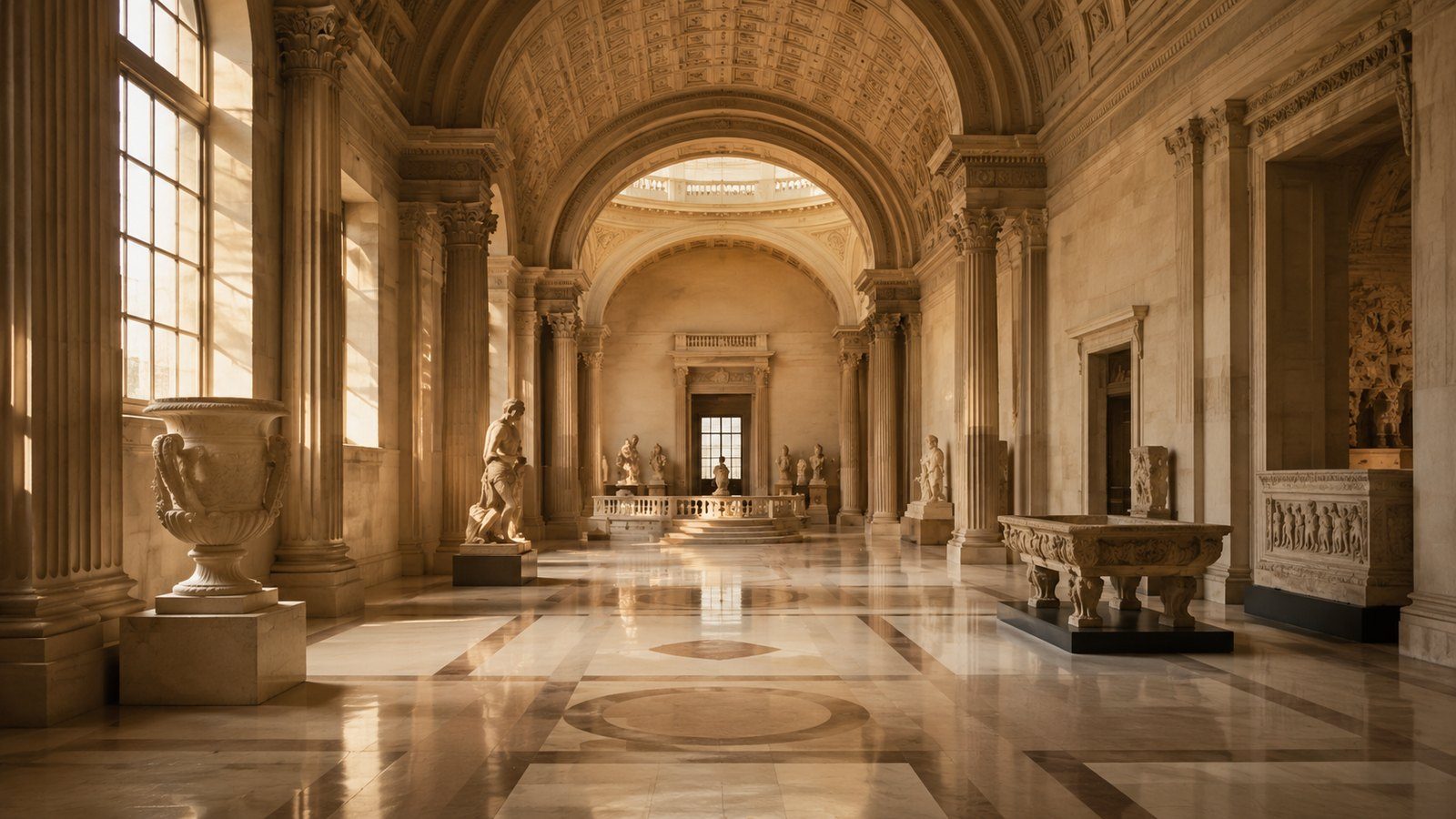
As America approaches its 250th birthday in 2026, museums across the country are gearing up to mark this historic milestone with a variety of thoughtful and engaging commemorations. This anniversary offers an opportunity to reflect on the nation’s rich and complex history while inviting visitors to consider the ongoing journey of American identity. Leading museums have embraced this moment to deepen their narratives and create immersive experiences that resonate with diverse audiences.
One notable trend among top cultural institutions is their commitment to presenting multifaceted perspectives on American history. Museums are moving beyond traditional celebratory narratives to explore stories of all Americans, including indigenous peoples, immigrants, and other communities whose contributions have often been marginalized. This more inclusive approach offers a broader understanding of the nation’s past and its enduring values.
Iconic museums in Washington, D.C., for example, are orchestrating special exhibitions that invite visitors to engage with American history in innovative ways. The Smithsonian Institution plans to showcase artifacts and artworks that tell stories of democracy, struggle, and innovation from the colonial era to the present. These displays promise to balance celebration with introspection, acknowledging both the achievements and the challenges that have shaped America.
Regional museums are also participating actively in the 250th anniversary. Many are curating exhibitions that highlight local contributions to the national story, thus fostering community pride while tying local histories to the broader American narrative. From New England to the southern states, these projects showcase how distinct cultural and historical experiences contribute to the nation’s tapestry. This localized focus helps visitors understand America’s diversity not only in terms of population but also through geographic and cultural lenses.
In addition, many museums are embracing digital technologies to reach wider audiences, especially those who may not be able to visit in person. Virtual exhibits, online archives, and interactive platforms allow museums to share their 250th anniversary programming beyond their physical walls. These initiatives enhance accessibility and provide educational opportunities for students and lifelong learners nationwide.
Public programming has also taken center stage this year. Museums are hosting panel discussions, workshops, and lectures featuring historians, artists, activists, and community leaders. These events provide a space for dialogue about the nation’s ideals and realities, encouraging people to think critically about the meaning of America’s past and future. Special performances, from music and theater to storytelling, often accompany exhibitions, offering dynamic, emotionally charged ways to connect with history.
Engagement with younger audiences is another focus, as museums strive to inspire new generations. Many institutions are developing programming tailored for children and teens, including hands-on activities, creative projects, and school partnership initiatives. These efforts not only educate but also empower young people to see themselves as part of the ongoing American story.
At the heart of these anniversary celebrations is a desire to foster a sense of unity and understanding in a time of social and political complexity. Museums serve as places where Americans can come together to explore shared histories and diverse experiences. The 250th birthday provides a rare opportunity to pause and reflect—to celebrate progress made while acknowledging the work still ahead.
As these dynamic museum initiatives unfold, they reaffirm the vital role of cultural institutions in shaping national identity. By embracing inclusivity, innovation, and community engagement, museums are doing more than just commemorating a quarter millennium; they are helping to spark conversations and connections that will carry American stories forward for decades to come.
Join the discussion
Share a thoughtful museum note, correction, or visitor perspective about this article.