Munch Museum
Tickets & Tours
Compare ticket options and guided tours from trusted booking partners.
We may earn a commission if you book through these links.
Overview
The Munch Museum in Oslo, Norway, is an art museum dedicated to the life and works of Edvard Munch, one of Norway’s most renowned painters. Known primarily for his iconic composition The Scream, Munch’s art delves deeply into themes of human emotion, mortality, love, and anxiety, capturing the complexities of the human experience. The museum serves as a cultural hub and research center, preserving an extensive collection of Munch’s paintings, prints, drawings, and personal artifacts. It provides visitors with a unique opportunity to explore not only the breadth of Munch’s artistic output but also the cultural and historical context in which he worked. The Munch Museum is an essential destination for those interested in expressionism, early modern art, or Norwegian cultural heritage.
Collection Highlights
The core attraction of the Munch Museum is, of course, its comprehensive collection of Edvard Munch’s works. This includes several versions of his most famous painting, The Scream, pieces that vary in medium and expression, offering insight into the artist’s evolving technique and emotional states. Alongside The Scream, visitors can find masterpieces such as The Madonna, The Dance of Life, and The Sick Child, each reflecting different phases and emotional depths of Munch’s career.
The museum houses thousands of paintings, watercolors, prints, and sketches, many of which have never been widely exhibited outside of Norway. This breadth gives a fuller impression of Munch’s range—from mood-driven landscapes and intense portraits to symbolic and psychologically charged compositions. The collection also features Munch’s own writings and private letters, which help illuminate the personal struggles and inspirations behind his art.
Special thematic exhibitions frequently take place, showcasing new research or comparative studies involving Munch and other artists or art movements. Temporary displays might focus on particular themes such as mental health, symbolism in art, or the influence of Munch’s Norwegian identity.
Building and Setting
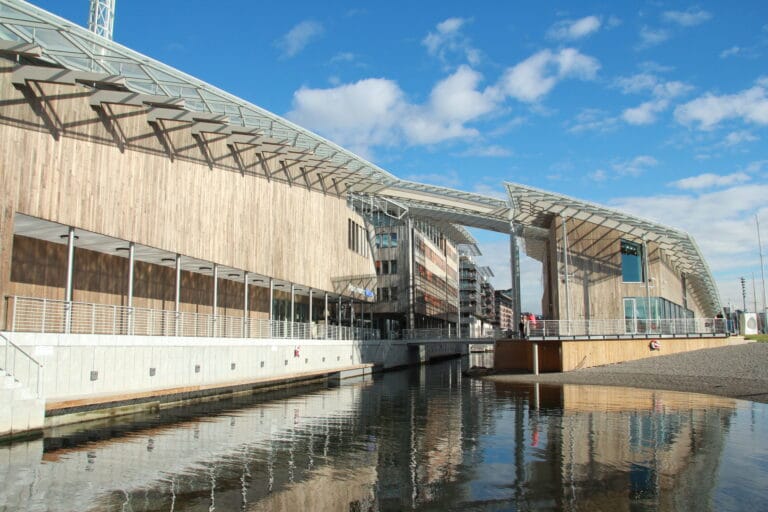
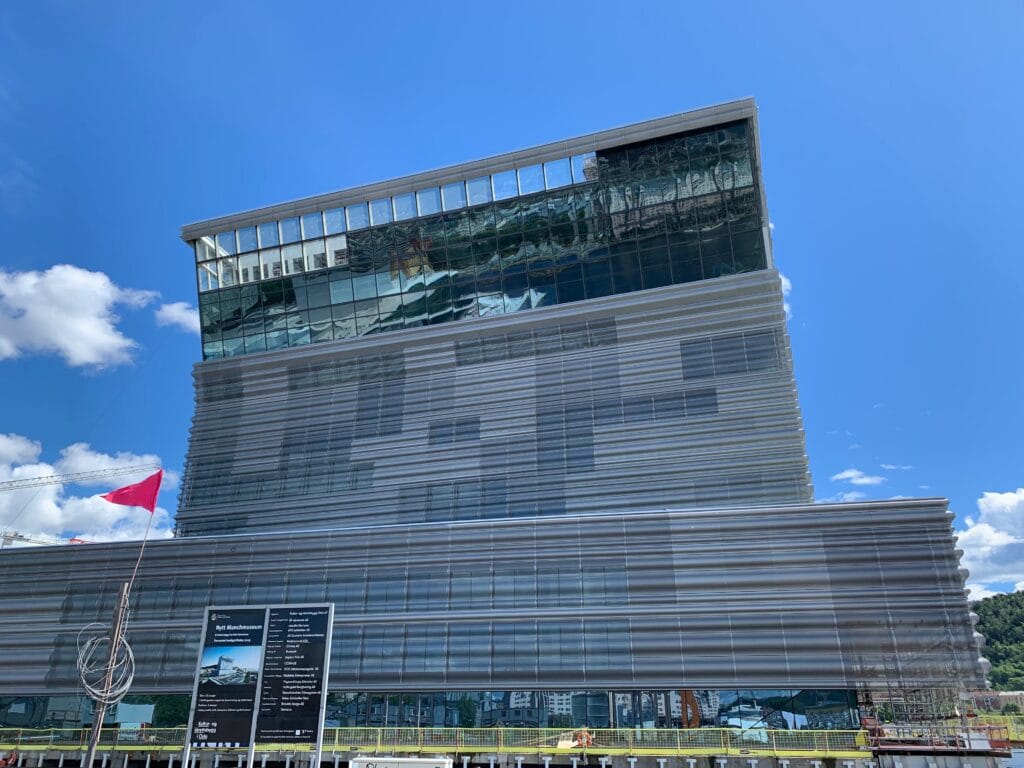
The Munch Museum is housed in a modern, architecturally striking building designed to complement the emotional intensity of the artworks it contains. Its spacious galleries are organized to provide a flowing narrative experience through Munch’s artistic development and thematic concerns. The design emphasizes natural light and contemplation spaces, enhancing the visitor’s engagement with the works.
Situated in Oslo, a city known for its vibrant cultural scene and scenic waterfront, the museum’s location makes it easily accessible and inviting. The setting offers a pleasing contrast between contemporary architecture and the historic city surroundings, symbolically bridging Munch’s modernist vision with Norwegian cultural traditions. Nearby public spaces and parks add to the leisurely aspect of a museum visit, encouraging reflection both inside and outside the galleries.
Practical Information
Visitors planning a trip to the Munch Museum should note that while the museum aims to provide a welcoming and informative experience, it is advisable to check current opening hours, ticket prices, and any temporary closures or special event schedules before visiting. Details may vary seasonally or due to unforeseen circumstances, so consulting the official website or contacting the museum directly helps ensure smooth planning.
The museum offers facilities to accommodate a range of visitors including guided tours, educational programs, and family-friendly activities, enhancing accessibility and engagement for all ages and interests. Photography policies may apply, especially concerning the artworks on display, so it is beneficial to confirm these guidelines ahead of time.
For international visitors, the museum is well connected by public transport, and signage is often available in several languages, including English. On-site amenities such as a café and museum shop provide opportunities to relax and find art-related souvenirs or literature for deeper understanding.
Why Visit
A visit to the Munch Museum offers more than just art appreciation; it is an exploration of human emotion and psychological depth through the eyes of one of expressionism’s pioneers. Munch’s art resonates universally, touching on fundamental themes that are still relevant today, making the museum both a cultural destination and a place for personal reflection.
The museum’s extensive and diverse holdings enable visitors to see the many facets of Munch’s creativity and to understand the broader historical and social conditions that influenced him. This provides a richer, more nuanced experience than viewing isolated works in other settings.
Furthermore, the Munch Museum is a vibrant part of Oslo’s cultural landscape, connecting visitors with Norway’s artistic legacy and contemporary cultural dialogue. It combines scholarly value with accessible storytelling, making it a rewarding visit for art lovers, students, and curious travelers alike.
In essence, the Munch Museum stands as a profound tribute to Edvard Munch’s enduring impact on art and society and offers a compelling journey into the heart of emotional expression through visual art. Its warmth, depth, and thoughtful presentation continually attract and inspire visitors from around the world.