
Magnolia Museum Blossoms into Inclusive Cultural Hub Bridging History, Art, and Community Voices
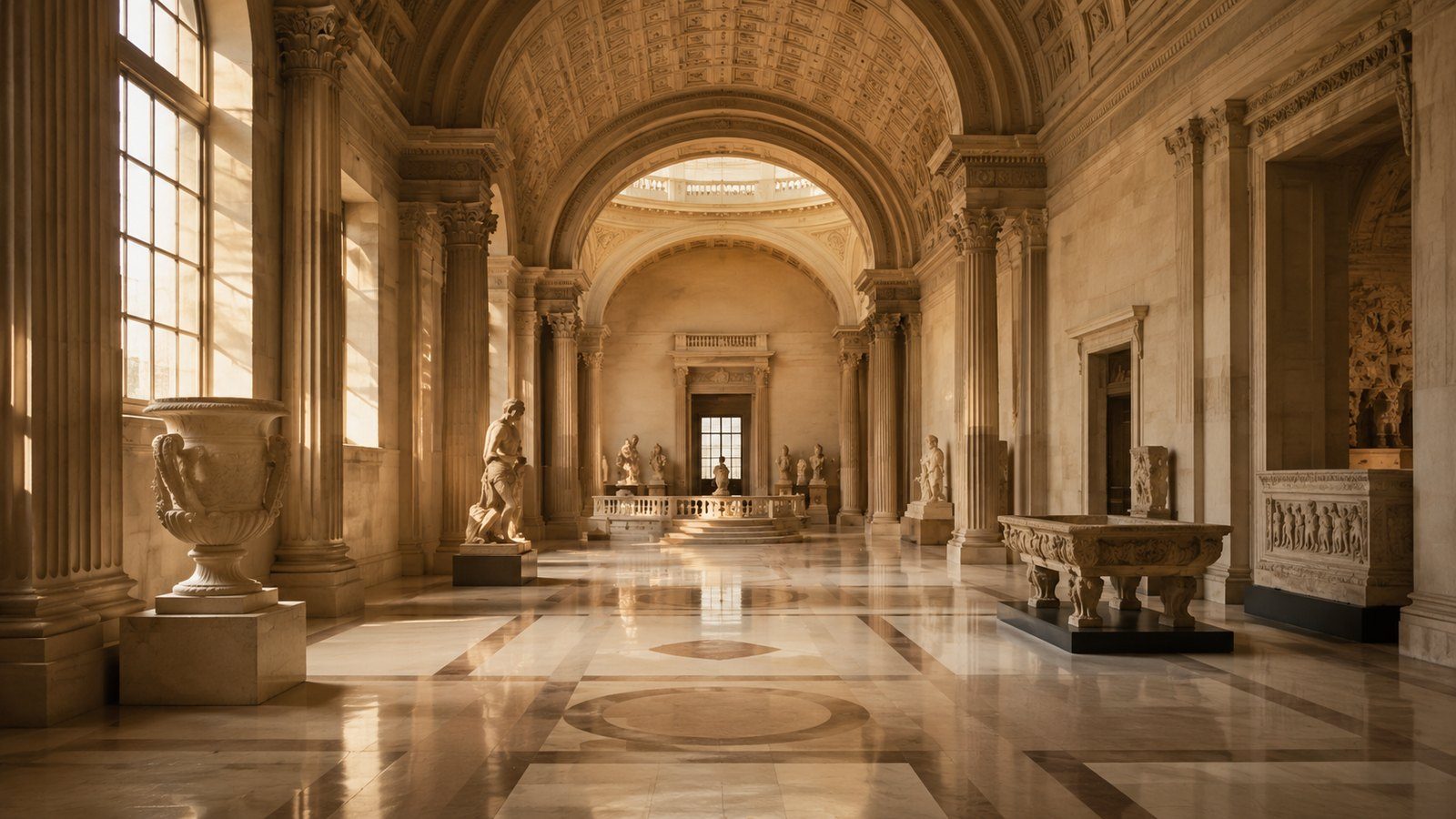
In the heart of the Magnolia region, a local museum has quietly been growing into an unexpected cultural gem, capturing the attention of both residents and visitors alike. The Magnolia Museum, once a modest repository of regional artifacts, has blossomed into a vibrant space that bridges history, art, and community engagement with a warmth that feels deeply personal.
The transformation has not been about grand architectural redesigns or flashy exhibitions, but rather an intriguing curation that tells the rich, layered stories of Magnolia’s past and present. Walking through its halls, visitors encounter more than just objects; there are narratives of daily life, resilience, and hope that resonate with a universal human experience. Whether it’s a beautifully preserved quilt from the early 1900s or photographs chronicling the region’s agricultural heritage, each exhibit creates a connective thread to those who lived, loved, and worked here.
What truly defines this museum, however, is its inclusive approach to storytelling. Efforts to involve local communities, especially voices that have often been marginalized in historical accounts, have infused the museum with fresh perspectives. Oral history projects, collaborative exhibitions, and interactive installations have made it a place where history is not just observed but experienced. This inclusive ethos means that the Magnolia Museum doesn’t simply present history; it invites visitors to be part of an ongoing dialogue about identity, place, and memory.
The educational programs have also become a cornerstone of Magnolia’s cultural outreach. Tailored workshops for schools and families offer hands-on learning that complements what is found in textbooks. Children and adults alike can engage with the exhibits, whether through artifact handling sessions or storytelling events that bring local lore to life. These initiatives underscore the museum’s commitment to being a vibrant neighborhood hub—more than just a museum, it’s a living extension of the community’s heritage.
In recent months, the museum has launched a new digital archive project, which promises to widen access to its collections beyond those able to visit in person. This move reflects a broader trend among small museums seeking to embrace technology in ways that enhance but never overshadow the tangible, sensory experience of onsite visits. By sharing photographs, documents, and recorded interviews online, Magnolia is opening its doors to a global audience while maintaining the intimate feel that makes it so special.
Financial challenges, common to many regional museums, remain an ongoing concern, but the Magnolia Museum’s growing support base and innovative programming suggest it is poised to navigate these hurdles with creativity and determination. Community fundraisers and partnerships have played a vital role in sustaining its operations, an indication of how much this institution means to those it serves.
Visitors to Magnolia often speak of the museum’s calming atmosphere and the respect it shows for its subjects—whether a simple farming tool or a complex piece of art. It’s a reminder that museums are not just about grand masterpieces but also about the stories we choose to remember and cherish. The Magnolia Museum’s quiet dedication to this philosophy makes it a standout example of how even smaller institutions can make a significant impact.
For those passing through the Magnolia region, stopping by this museum offers an opportunity to pause and absorb a rich cultural tapestry woven with care and thoughtfulness. It’s a place that invites reflection, connection, and discovery, affirming once again how museums serve as essential keepers of our shared human story.
Join the discussion
Share a thoughtful museum note, correction, or visitor perspective about this article.